
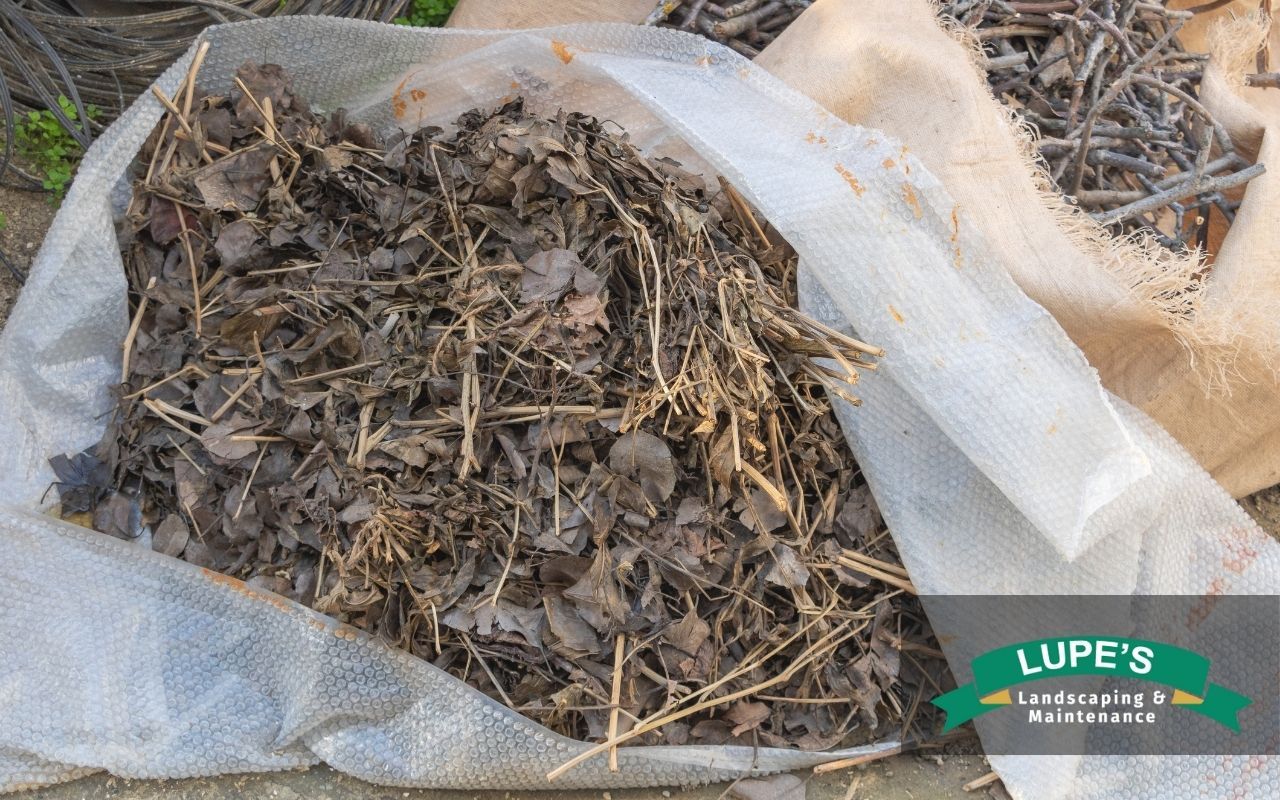
Fall brings piles of leaves, garden trimmings, and spent plants—but instead of bagging them for pickup, why not turn that yard waste into something useful? Composting fall yard waste is one of the best things you can do for your landscape and soil health.
At Lupe’s Landscaping & Maintenance, we help homeowners transform autumn cleanup into natural nourishment for their gardens. What materials can you compost? How long does it take? And how does this tie into other fall landscaping tips for Kitsap? Let’s walk through the process.
Why Composting Yard Waste in Fall Makes Sense
Reduces Waste and Clutter
Rather than filling bags and landfills, composting gives your fall debris a second life. It cuts down on waste and keeps your yard looking tidy during the season.
Feeds Future Plants Naturally
Compost improves soil structure, encourages beneficial organisms, and adds nutrients without chemicals. By spring, you’ll have a rich, dark amendment ready to mix into beds or lawns.
Supports Year-Round Landscaping
Kitsap homeowners who compost in fall often see better plant growth come spring. Combined with seasonal plant care, compost creates a foundation for healthier beds and borders.
What to Compost From Your Fall Yard Cleanup
Here’s what you can safely add to your fall compost pile:
- Fallen leaves (shredded or whole)
- Grass clippings
- Garden trimmings
- Spent annuals and vegetable plants
- Small twigs or branches (chipped if possible)
- Mulched foliage
Avoid adding diseased plants, thick branches, or anything with chemical treatment. If you’re unsure where to start, check out our composting tips for beginners.
Composting Tips for Success This Fall
Balance Browns and Greens
For efficient composting, combine “browns” (dry materials like leaves and twigs) with “greens” (fresh clippings and food scraps). Aim for a 2:1 ratio to keep your pile healthy.
Keep It Moist and Turn Often
Your pile should feel like a wrung-out sponge—damp but not soggy. Turn it weekly with a pitchfork to encourage airflow and speed up decomposition.
Choose a Convenient Location
Place your compost bin near your garden or shed. This makes it easy to add material during your regular low-maintenance landscaping routine.
FAQs – Composting Fall Yard Waste
How long does it take to compost fall leaves?
With regular turning and moisture, leaves can break down in 2–3 months. Whole leaves may take longer unless shredded first.
Can I compost pine needles or evergreen trimmings?
Yes, in moderation. They decompose slowly and are more acidic, so mix them with other materials.
What if my compost pile smells bad?
That usually means too many “greens” or poor airflow. Add dry material like leaves and turn the pile to balance it out.
Turn Fall Debris into Garden Gold
Instead of throwing away your yard waste this fall, let it work for you. Lupe’s Landscaping & Maintenance helps homeowners throughout Kitsap compost effectively and use that compost to support strong, healthy landscapes.
Whether you’re new to composting or want help building a better pile, we’re here to guide you.
Reach us today for composting support, fall cleanup services, or a personalized yard care plan.