
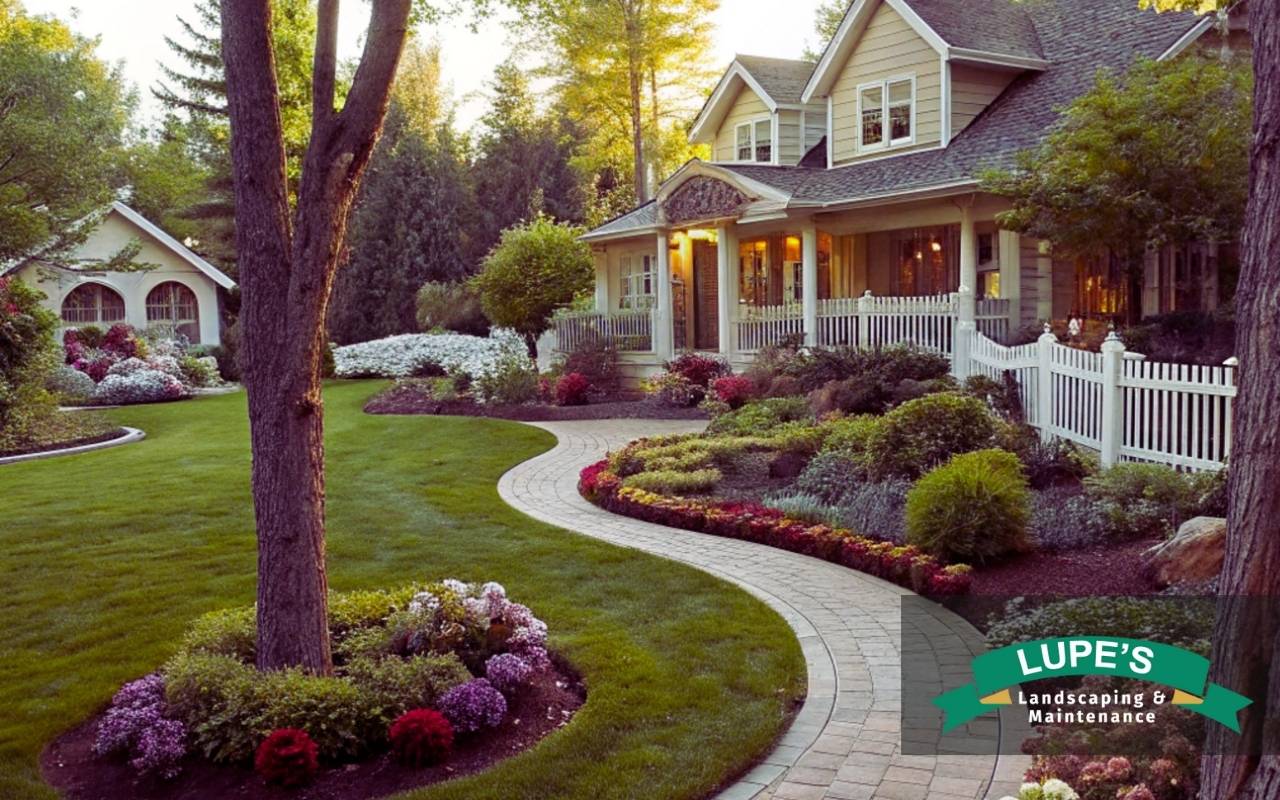
Imagine stepping into your backyard and being greeted by a vibrant tapestry of colors, textures, and scents that blends naturally with the environment.
This dream is achievable with native plant landscape design. In recent years, homeowners increasingly use indigenous flora for stunning and sustainable outdoor spaces.
By selecting plants suited to your region’s climate and soil, you create a thriving garden requiring minimal maintenance and providing habitat for local wildlife.
Moreover, native plant landscape design offers aesthetic charm traditional gardens often lack. Each plant plays a role in your ecosystem’s story.
By embracing this approach, you plant for the future—your garden becomes part of a broader environmental solution.
Whether you aim to attract pollinators, conserve water, or enjoy a lush garden, native plant landscapes can transform your outdoors.
Benefits of Native Plant Landscape Design
- Environmental Harmony: Native plants thrive locally, reducing fertilizers, pesticides, and water usage while protecting waterways from pollutants.
- Biodiversity Boost: Attract birds, butterflies, and beneficial insects by choosing native species, enhancing ecosystem health.
- Community Connection: Native landscaping preserves regional heritage, fostering pride, especially in Kingston residents restoring habitats. Learn more about local sustainability efforts.
- Low Maintenance: Deep roots stabilize soil, prevent erosion, retain moisture, and create resilient landscapes enduring droughts and storms.
- Sustainable Beauty: Native plants combine eco-friendly practices with elegant aesthetics for visually stunning outdoor spaces.
Selecting the Right Native Plants for Your Region
Begin by understanding your local climate, soil type, and microclimates. Consult regional planting guides or a native plant nursery.
Note sun exposure, moisture, and soil pH across your yard. Map these factors to match plants to zones, ensuring healthy growth.
Research plants that meet your design goals—ground covers, pollinator magnets, or structural shrubs. Mix perennials, grasses, and flowering plants for layered habitats and year-round interest.
Choosing species adapted to microclimates reduces irrigation and pesticide needs, promoting a thriving native landscape.
Source plants responsibly, using certified native stock to enhance local ecosystems. Avoid wild collection to protect natural populations.
With careful selection, your garden will resonate with place and withstand the test of time. Explore our native landscaping services.
Designing a Sustainable Native Plant Garden Layout
Visualize planting areas serving multiple functions: habitat creation, water management, and aesthetic design. Cluster species with similar needs to mimic natural meadows or woodlands.
Use curves and irregular beds for organic shapes. Incorporate pathways, seating, and focal points inviting exploration.
Choose permeable materials like gravel or decomposed granite for walkways. Position taller plants to frame views and provide privacy, while lower-growing species soften borders.
By combining utility and beauty, your sustainable layout feels intentional yet wild, supporting resiliency and delighting the senses.
Water Conservation Techniques in Native Landscaping
Water-wise strategies are essential. Improve soil with organic matter for better infiltration and moisture retention.
Apply mulch to reduce evaporation and suppress weeds. Select drought-tolerant natives grouped by water needs into hydrozones.
Install drip irrigation or soaker hoses to deliver water directly to roots. Consider rainwater harvesting to supplement irrigation.
These techniques keep your native garden lush while conserving water for the environment.
Maintenance Tips for Native Plant Gardens
- Seasonal Care: Clear winter debris and prune selectively in spring to encourage growth and reduce disease risk.
- Weed Management: Remove invasive weeds manually. Light annual mulching helps suppress weeds and retain moisture.
- Regular Monitoring: Observe your garden for stress or pests early, enabling targeted interventions without widespread chemicals.
Implementing Seasonal Interest in Native Landscapes
Create year-round appeal by selecting plants peaking at different times. Spring blossoms, summer foliage, autumn seeds, and winter silhouettes form a dynamic garden.
Begin with early bloomers like native violets or wild strawberries. Midseason, use perennials and grasses for color and texture.
Autumn seed pods, such as coneflowers and goldenrods, feed birds. Leave stems standing through winter for structure and insect habitats.
This layering ensures your native landscape remains visually compelling every season.
Overcoming Common Challenges in Native Plant Landscaping
Misconceptions often lead to resistance—people may think native gardens are messy. Educate neighbors about ecological benefits and seasonal beauty.
Maintain clear paths and edges to demonstrate order. Increase species diversity to reduce pest vulnerability. For deer browsing, use fencing, companion planting, or strategic selection.
Correct soil fertility with simple soil tests and targeted amendments. Thoughtful solutions ensure a resilient native landscape thriving with nature.
FAQs
What is native plant landscape design?
It is the practice of using plants indigenous to your region to create sustainable, low-maintenance gardens supporting local ecosystems.
How do I choose the best native plants?
Consider your soil, sun exposure, and water availability. Use regional guides and consult local nurseries for species suited to your area.
Can native landscaping attract wildlife?
Yes, native plants provide food, shelter, and habitats for birds, butterflies, and beneficial insects, boosting biodiversity.
Is maintenance difficult for native plant gardens?
No, native gardens typically require less water, fertilizers, and pesticides. Proper planning and seasonal care make maintenance easier.
Embracing the Elegance of Native Plant Landscape Design
Native plant landscape design combines beauty, sustainability, and ecological responsibility. Working with indigenous species supports wildlife, conserves resources, and honors local heritage.
Transforming your outdoors with native landscapes goes beyond design—it is a commitment to the environment. Embrace native flora and watch your garden flourish as a vibrant sanctuary.
Ready to start your project? Contact us today to bring your native plant landscape design vision to life.