
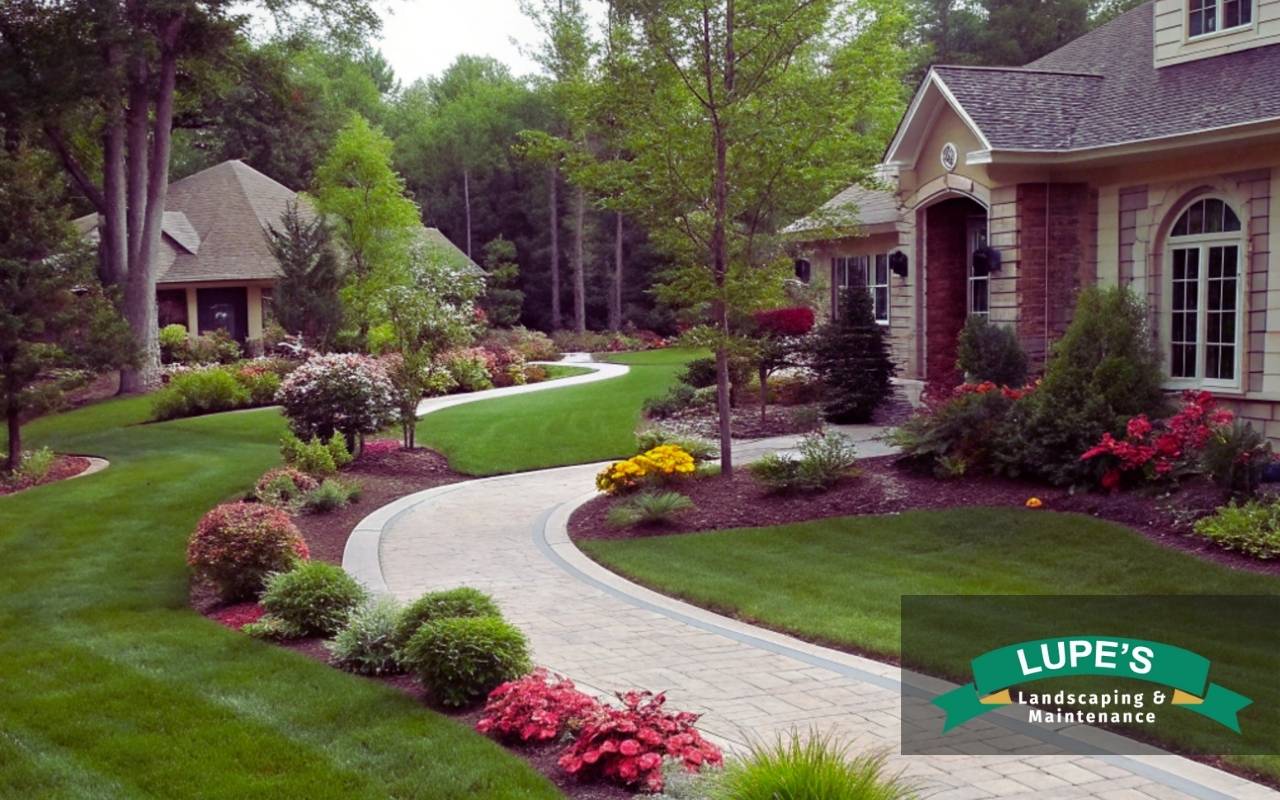
In a world where every drop counts, creating a lush garden may seem impossible. Yet, the secret to a thriving landscape lies in using native plants designed to flourish with minimal water.
Imagine walking through your backyard adorned with a rich tapestry of flora that enhances beauty and harmonizes with the local ecosystem.
By choosing low water native options, you’re embracing sustainability and crafting a garden that tells a story of resilience and adaptation. Native landscaping benefits Kingston and the environment significantly, aiding in water conservation and biodiversity.
Native plants have evolved over centuries to withstand local climates, requiring less water and care than foreign species. This transformation saves resources and turns gardening into a rewarding experience. Prepare to explore plants that promise a sustainable oasis at your doorstep.
Benefits of Native Plants in Sustainable Gardening
- Water Conservation: Native plants need minimal irrigation once established. Deep roots retain water and reduce the need for frequent watering.
- Biodiversity Support: Native gardens attract birds, butterflies, and beneficial insects. They contribute to a healthy local ecosystem.
- Sense of Place: Native plants reflect your region’s natural beauty, connecting your garden to its surroundings and heritage.
- Low Maintenance: Adaptable and resilient, native plants need minimal care and fewer chemicals, making them ideal for sustainable gardening.
- Cost-Effectiveness: Their low-maintenance nature reduces expenses on water, fertilizers, and pesticides, making sustainable gardening practical.
Understanding Low Water Native Plant Selection Criteria
Selecting the right low water native options starts with understanding your garden’s conditions. Assess soil type and drainage.
Next, consider your region’s rainfall and temperature extremes. Matching a plant’s natural range to your microclimate ensures it flourishes with minimal watering.
Other criteria include growth habit, mature size, and root depth. Deep-rooted plants can tap underground moisture, making them excellent for water-wise landscaping.
Group species with similar sun and water needs to simplify care and optimize irrigation. Choose plants supporting pollinators or wildlife to enhance biodiversity.
Designing a Low Water Native Garden Layout
Effective garden design is both art and science. Map sun exposure and wind patterns. Position drought-tolerant species in sunny areas, shade-tolerant ones under trees.
Design in “hydrozones” to tailor irrigation efficiently. Incorporate pathways, seating, and natural stone to create focal points and reduce planted areas, saving water.
Layer groundcovers, perennials, and shrubs to maximize coverage and curb soil evaporation. Use mulch generously to retain moisture and keep roots cool. Discover more ideas on low water landscaping.
Essential Care Tips for Low Water Native Plants
- Deep, Infrequent Watering: Water deeply but less often to strengthen roots and increase drought resilience.
- Watering Timing: Water early morning or late evening to reduce evaporation and improve absorption.
- Mulching: Apply 2–3 inches of organic mulch around plants to retain soil moisture and regulate temperature.
- Pruning: Prune sparingly to maintain natural growth habits, which also support local wildlife.
- Pest Management: Monitor pests using integrated strategies to preserve beneficial insects in the garden.
Incorporating Drought-Tolerant Trees in Your Garden
Adding trees provides shade, wildlife habitat, and structural design benefits. Choose species like California live oak or mesquite with minimal water needs.
Place trees strategically to shade patios or walls. Plant in cooler seasons to establish roots before summer heat. Apply mulch around the root zone carefully.
Creating Wildlife-Friendly Habitats with Native Plants
Native gardening becomes a haven for birds, butterflies, and beneficial insects. Choose plants that flower and seed at different times.
Include berry-producing shrubs and early- or late-blooming perennials to support pollinators. Add birdbaths or shallow basins as water sources during dry spells.
Plant in clusters for visual impact and easier foraging. With thoughtful design, your garden links to local ecological networks, supporting pollination and predator-prey balances.
Seasonal Considerations for Low Water Native Gardens
Adapt your garden care to seasons to optimize plant health and water use. Mulch in spring and prune dead stems for fresh growth.
Monitor soil moisture during summer and water young plants deeply if rainfall is scarce. In fall, gradually reduce irrigation and refresh mulch.
Winter care is minimal; most natives are frost-hardy. Avoid heavy fertilization to prevent vulnerable growth during cold snaps.
Frequently Asked Questions
What are the benefits of using low water native options?
They conserve water, reduce maintenance, support biodiversity, and thrive in local climates naturally.
How do I select suitable low water native plants?
Consider soil type, sun exposure, water requirements, root depth, and support for local wildlife.
Can low water native plants survive Kingston’s seasonal changes?
Yes, when matched to your microclimate and given minimal care, they adapt well to seasonal variations.
How should I maintain low water native options?
Use deep infrequent watering, mulch, minimal pruning, and integrated pest management for healthy growth.
Embracing Sustainability Through Low Water Native Gardening
Adopting low water native options transforms your garden into a resilient landscape that harmonizes with natural cycles.
Whether in Kingston or elsewhere, select plants attuned to your climate, design efficiently, and nurture biodiversity.
This approach fosters a deeper connection to the land, proving that thoughtful gardening can be both beautiful and responsible. Learn more about native plant solutions at native plant landscaping or contact us for personalized guidance.