
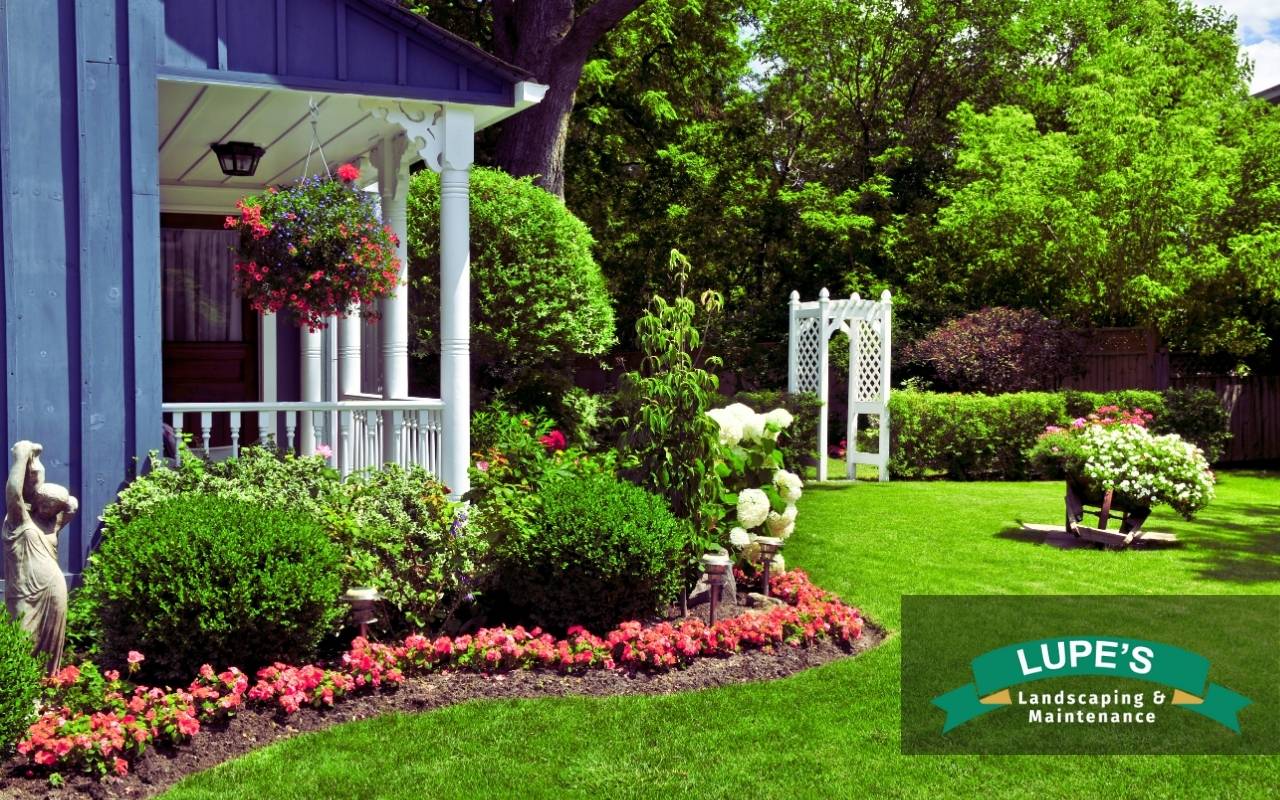
Every garden tells a story. In today’s world, creating an eco-friendly native garden connects us to sustainability and biodiversity.
Moreover, these gardens are vibrant ecosystems that reduce water use and support local wildlife. Thus, they benefit people and planet.
For tailored solutions, explore our native plant landscaping services.
Selecting Native Plant Species
First, research local species adapted to your region. An eco-friendly native garden thrives when plants suit soil, moisture, and sunlight.
Additionally, a diverse ecosystem of trees, shrubs, and perennials supports pollinators. As a result, biodiversity flourishes naturally.
Carefully match species to site conditions. Grouping plants with similar needs simplifies maintenance while reducing fertilizers and pesticides.
Designing the Layout of Your Eco-Friendly Garden
Effective design ensures both beauty and function. Therefore, analyze sun exposure, drainage, and existing vegetation before planting.
Layer trees, shrubs, and perennials to mimic nature. This approach provides microhabitats for birds, insects, and small mammals.
Paths and seating should flow naturally with contours. For inspiration, review our sustainable hardscaping options.
Understanding Soil and Water Requirements
Healthy soil and water management are vital. Consequently, an eco-friendly native garden thrives with compost, mulch, and rain harvesting.
Install swales or rain gardens to capture runoff. In drought-prone areas, deep-rooted species increase resilience significantly.
For added efficiency, consider low-water landscaping techniques.
Implementing Sustainable Gardening Practices
Sustainable practices strengthen garden health. Compost kitchen waste, apply organic mulches, and avoid chemical fertilizers whenever possible.
Encourage beneficial insects. For example, plant dill or yarrow to attract natural predators and reduce harmful pests.
Use drip irrigation or soaker hoses. As a result, water reaches roots directly, minimizing waste effectively.
Creating Habitats for Local Wildlife
An eco-friendly native garden serves as a refuge. Dense shrubs, grasses, and flowers provide shelter and food for many species.
Install birdhouses and bee hotels. Simple features like shallow dishes also support birds and pollinators daily.
Include host plants for butterflies. Sequential blooms ensure nectar is always available.
Maintaining Your Eco-Friendly Native Garden
Maintenance is light. Observe plants, hand-remove invasive weeds early, and prune carefully without disturbing nesting wildlife.
Refresh mulch yearly. Divide perennials to maintain vigor, expanding your eco-friendly native garden naturally.
Recycle debris into compost. Consequently, your soil becomes richer and healthier every season.
Incorporating Recycled Materials and Resources
Recycling materials reduces waste. For instance, repurpose wood into seating, and salvage stone for natural pathways.
Collect rainwater in barrels from repurposed drums. Build compost bins using discarded pallets to close the resource loop.
Old containers also work as planters. With creativity, your eco-friendly native garden demonstrates sustainable living.
Educating and Sharing Your Eco-Friendly Garden Journey
Share your eco-friendly native garden to inspire others. Blog posts, workshops, or garden tours foster community engagement and awareness.
Partner with schools and groups to teach sustainable gardening practices. Label plants to help visitors learn species and benefits.
For personal guidance, contact our landscaping experts.
Frequently Asked Questions
What exactly are eco-friendly native gardens and why are they important?
They use indigenous plants requiring fewer resources. They conserve water, improve soil, and support local wildlife effectively.
How do I choose the right native plants for my garden?
Research regional species. Consider sun, soil, and bloom cycles. Local gardens or extension services provide excellent recommendations.
Can native gardens really reduce my maintenance workload?
Yes. Once established, native plants need less water, fertilizer, and pest control, reducing overall effort significantly.
What sustainable practices should I adopt in my eco-friendly garden?
Compost waste, mulch organically, use drip irrigation, and avoid synthetic chemicals. Encourage beneficial insects for pest control.
How can I support local wildlife through my garden design?
Integrate shrubs, grasses, and flowers. Add nesting boxes, water features, and plants supporting butterflies and pollinators.
Showcasing the Benefits of Eco-Friendly Native Gardens
Eco-friendly native gardens conserve water, reduce runoff, and provide lasting beauty. Moreover, they attract pollinators and wildlife.
These gardens reduce fertilizer and pesticide needs. As a result, they save resources and reduce environmental impacts over time.
They also support carbon storage, improve mental well-being, and strengthen communities. Truly, eco-friendly native gardens symbolize sustainability.
Start your journey today by exploring eco-friendly patio designs that complement your native garden.