
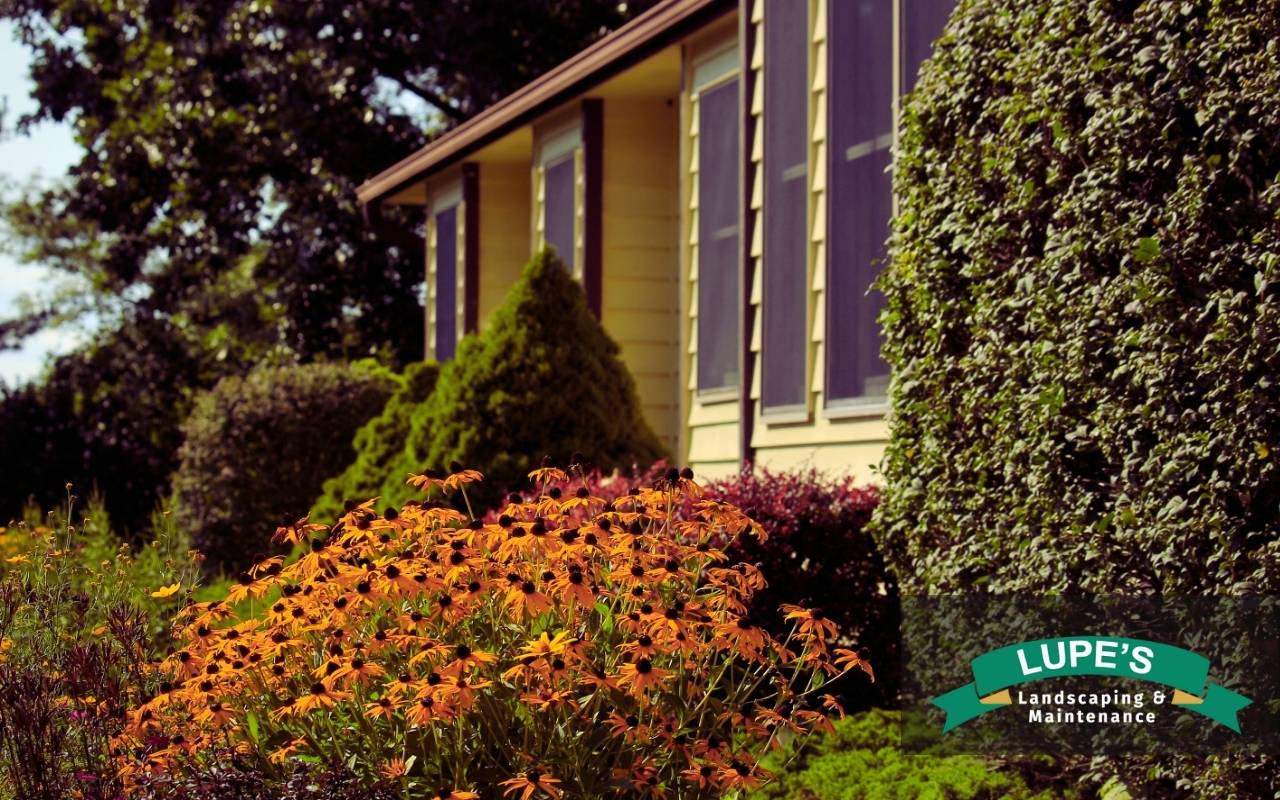
As seasons change, landscapes often appear barren. However, with native plants, gardens can thrive year-round. These resilient species provide lasting beauty and ecological balance. Year-round native planting benefits extend beyond looks; they support biodiversity and reduce maintenance needs. Unlike non-native plants, native species flourish with less care. They conserve resources, attract pollinators, and enhance soil health. Transitioning to native planting creates a sustainable and rewarding garden experience.
Increased Resilience and Adaptability
Native plants co-evolved with regional conditions. This history grants them resilience against drought, floods, and temperature extremes. They adjust growth naturally and reduce soil erosion. Consequently, your garden stays vibrant despite harsh weather. Year-round native planting benefits include consistency and ecological reliability.
Low Maintenance Requirements
Reduced Watering Needs: Native plants tolerate local rainfall patterns. They require less irrigation once established.
Minimal Pest Control: Natural defenses reduce reliance on chemical pesticides. Gardens remain balanced and healthier.
Soil Fertility: Native plants sustain soil health naturally. They cycle nutrients without extra fertilizers. This approach saves time and money while protecting ecosystems. For practical ideas, visit our native plant landscaping page.
Conservation of Water Resources
Water scarcity demands sustainable gardening. Native plants have root systems that maximize moisture uptake. They survive with minimal irrigation during dry spells. Choosing drought-tolerant species protects municipal water supplies. This method aligns with conservation goals and ensures sustainability. Learn more at our low water landscaping guide.
Promotion of Biodiversity
Native plants provide food and shelter for local fauna. They support birds, pollinators, and beneficial insects. This ecological balance resists invasive species and reduces pest outbreaks. Plant diversity reduces risks of monoculture failure. With thoughtful selection, gardens become reservoirs of biodiversity. Such efforts strengthen year-round native planting benefits.
Support for Pollinators
Pollinators require consistent blossoms throughout the seasons. Native flowering plants ensure nectar and pollen are available. Their natural cycles sustain bees, butterflies, and hummingbirds. Because they produce more nectar, they attract larger populations. This activity boosts pollination and fruit yields. Supporting pollinators is key to ecological stewardship and lasting beauty.
Enhancement of Soil Health
Healthy soil depends on life underground. Native plants foster microbes, fungi, and earthworms that recycle nutrients. Deep-rooted species loosen compact soil, improving water flow. These roots reduce erosion and increase infiltration. As a result, soil becomes more resilient and fertile. Sustainable hardscaping combined with native planting enhances these outcomes. Explore details at our sustainable hardscaping Kingston page.
Reduction of Chemical Usage
Biological Pest Control: Native plants attract natural predators, reducing pesticide need.
Protecting Health: Less reliance on chemicals benefits humans, pets, and wildlife.
Safer Harvest: Gardens yield cleaner, healthier produce. This aligns with eco-friendly practices. Discover ideas for outdoor spaces with our eco-friendly patios designs.
Contribution to Ecosystem Services
Native plants sequester carbon and mitigate climate change. Their roots stabilize soil and improve water quality. They create microclimates that reduce energy costs. Noise reduction and flood control are added advantages. Year-round native planting benefits extend beyond property lines, benefiting communities and ecosystems alike.
Year-Round Beauty and Color
Native gardens offer visual interest in every season. Early bloomers, summer flowers, and autumn foliage provide continuity. Winter silhouettes and evergreens complete the cycle. Designers can layer species for dynamic beauty. This ensures both aesthetics and habitat value. Native gardens remain vibrant throughout the year.
Frequently Asked Questions
What does “native plant” mean?
Native plants naturally occur in a region. They evolved alongside local climates, soils, and wildlife, forming healthy ecosystems.
How soon can I expect to see benefits from native planting?
Reduced watering and pollinator activity often appear within the first season. Full ecological benefits take two to three years.
Can native plants thrive in urban settings?
Yes. Many native plants tolerate compact soils, pollution, and heat. Selecting region-specific species ensures success in cities.
Are native plants more expensive than conventional ornamental species?
Initial prices may be similar or slightly higher. Long-term savings on water and maintenance offset the cost effectively.
How do I maintain diversity in a native garden?
Choose varied species with different bloom times and heights. Remove invasives regularly to keep ecological balance.
Embracing the Benefits of Year-Round Native Planting
Integrating native species creates resilient and rewarding landscapes. Year-round native planting benefits include biodiversity, water conservation, and reduced chemical use. This sustainable approach transforms gardens into thriving ecosystems. Ready to begin? Contact our experts through our contact page for guidance and personalized support.