
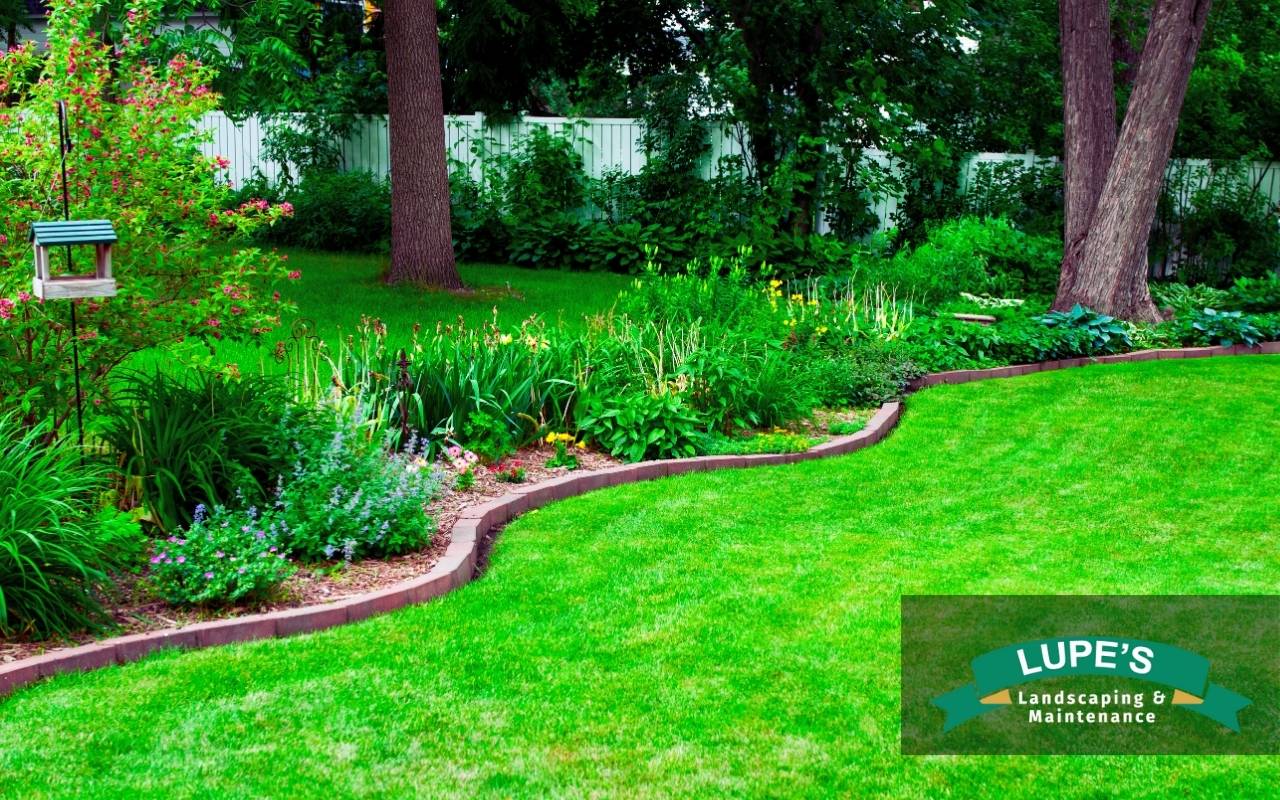
Transforming your backyard into a sanctuary highlights native biodiversity backyard benefits that extend far beyond visual beauty.
Moreover, native plants reduce chemical use and water waste. Therefore, your garden becomes sustainable and supports thriving local ecosystems.
Explore more ideas in our native plant landscaping services.
Understanding the Importance of Native Biodiversity
First, native biodiversity supports ecological balance by preserving complex food webs. This strengthens backyard ecosystems naturally.
Additionally, native species conserve genetic diversity and resilience. As a result, regional ecosystems adapt more easily to changes.
Native biodiversity also provides strong educational value. Families learn how native biodiversity backyard benefits enrich community knowledge.
Selecting the Right Native Plants for Your Backyard
Choosing the right flora is essential. Indigenous plants suit local soil and climate, maximizing native biodiversity backyard benefits naturally.
Additionally, mix trees, shrubs, and perennials for continuous blooms. Therefore, pollinators enjoy food sources throughout each season.
For tailored planting solutions, consider low-water landscaping services.
Creating a Habitat for Local Wildlife
Transforming your garden helps sustain biodiversity. Shelter, food, and water sustain birds, insects, and mammals.
For example, berry shrubs provide food. Furthermore, brush piles and no-mow zones support pollinators and ground-nesting birds.
Simple water features invite amphibians and pollinators. These details amplify wildlife presence while showcasing natural backyard harmony.
Supporting Ecosystem Services
Native plants enhance ecosystem services. Consequently, native biodiversity backyard benefits include pollination, soil stability, and water purification.
Healthy soil microbes recycle nutrients, reducing reliance on synthetic fertilizers. Deep roots manage stormwater and reduce erosion effectively.
Furthermore, trees filter air pollutants, while shrubs provide shade. These ecosystem services bring direct and lasting homeowner advantages.
Reducing Maintenance with Indigenous Flora
One appealing aspect of native biodiversity backyard benefits is low maintenance. Indigenous plants adapt naturally to climate and soil.
Additionally, native species resist pests. Therefore, fewer fertilizers and pesticides are necessary for long-term resilience.
Mulching and planting groundcovers further reduce upkeep. Consequently, your backyard becomes both low-maintenance and ecologically beneficial.
Enhancing Aesthetics with Native Plants
Contrary to myths, native plants create stunning designs. Carefully selected flowers highlight biodiversity benefits beautifully.
Seasonal blooms provide year-round interest. Additionally, grasses and shrubs contribute texture, shape, and natural architectural charm.
For added beauty, consider sustainable hardscaping features to complement your landscape design.
Promoting Pollinator Diversity
Pollinators are essential. Plant diverse flowers to maximize native biodiversity backyard benefits for bees, butterflies, and hummingbirds.
Furthermore, continuous blooms ensure forage all year. Bare soil patches and hollow stems provide critical nesting habitats.
By designing for pollinators, you amplify biodiversity while enjoying vibrant seasonal wildlife activity in your backyard.
Cultivating a Sustainable Backyard Ecosystem
Sustainability strengthens ecological garden advantages. Practices like rain harvesting and composting reduce waste while enriching soil.
Additionally, avoiding chemicals preserves ecological balance. Instead, integrated pest management maintains plant and soil health effectively.
Designing with sustainability ensures resilience. Therefore, your backyard becomes a thriving self-sustaining ecosystem.
Building Community Awareness
Community engagement amplifies native biodiversity backyard benefits. Garden tours, planting days, and workshops inspire local adoption.
Educational signage also empowers visitors to understand plant species, pollinator roles, and ecosystem services more clearly.
Collaborating with schools or organizations further spreads awareness. These efforts increase connectivity across neighborhoods and landscapes.
Frequently Asked Questions
How do native plants improve my backyard’s ecological health?
Native plants enhance soil, support pollinators, and reduce water use. Consequently, they deliver strong native biodiversity backyard benefits.
What steps should I take to start a native plant garden?
Research local species, prepare soil, group plants by needs, and mulch effectively. These steps maximize biodiversity in your backyard.
Can a native plant garden really reduce maintenance tasks?
Yes. Indigenous species adapt naturally, needing less water and care. Therefore, native gardening benefits reduce garden workload.
How do I attract specific pollinators to my backyard?
Choose flowers that match pollinator needs. Continuous blooms, host plants, and nesting sites enhance biodiversity naturally.
What community activities can promote native biodiversity?
Community activities include garden tours, seed swaps, and planting events. These amplify ecological backyard benefits locally.
Embracing the Rewards of Native Biodiversity
Choosing native biodiversity backyard benefits transforms your garden into a thriving ecosystem. Wildlife, plants, and soil coexist harmoniously.
Additionally, reduced maintenance, visual beauty, and sustainability reward homeowners. Therefore, investing in biodiversity enriches your lifestyle significantly.
Start today by exploring eco-friendly patio designs or contacting our experts for personalized guidance.