
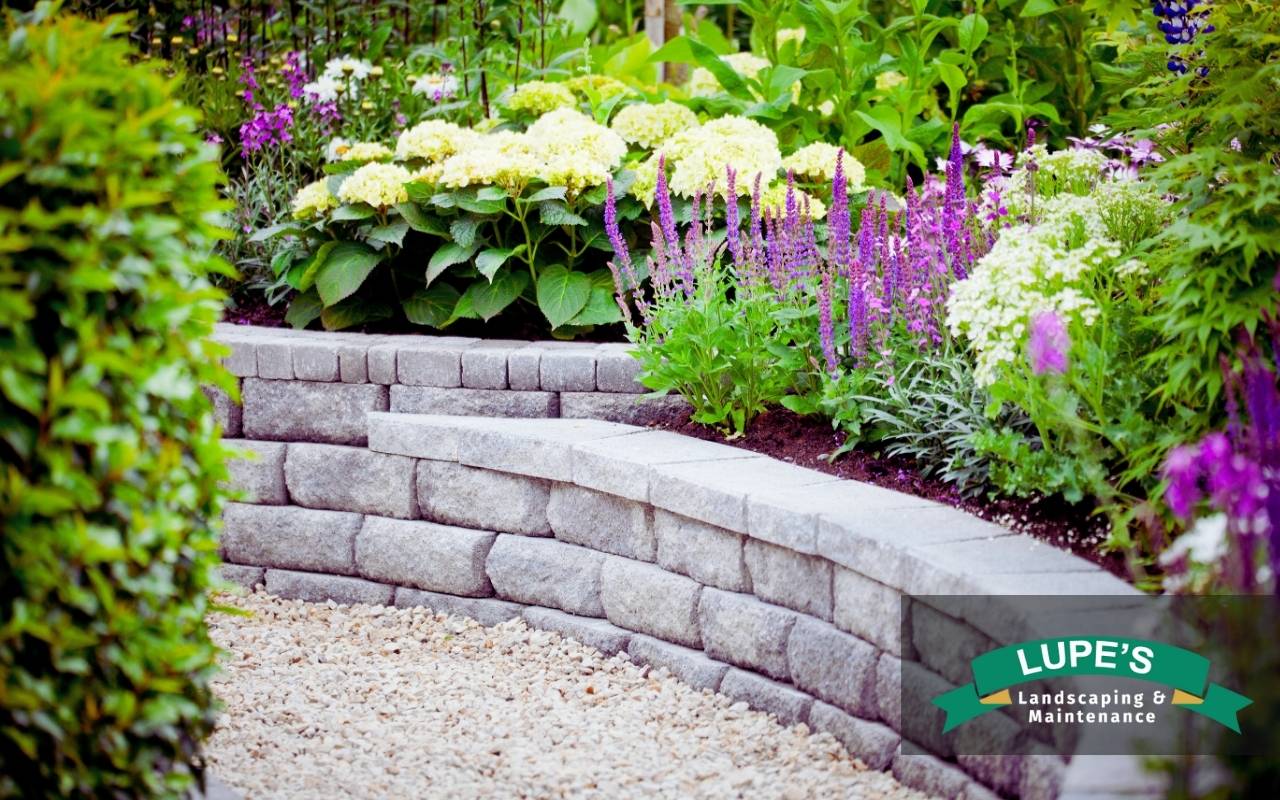
Urbanization often overshadows natural habitats. Yet, local wildlife friendly landscaping offers a sustainable solution. This approach provides beauty, balance, and refuge for native species. By creating vibrant ecosystems, homeowners support pollinators, birds, and small mammals. Moreover, they enjoy reduced maintenance, fewer chemicals, and stronger connections with nature. Imagine a yard filled with birdsong, color, and life. Clearly, this change benefits both people and the planet.
Choosing Native Plants for Your Landscape
Native plants form the foundation of successful local wildlife friendly landscaping. They provide food, shelter, and breeding sites for many species. Additionally, they require less water, fewer chemicals, and minimal care. Goldenrod, coneflower, and milkweed attract butterflies and bees. Shrubs like serviceberry offer layered habitats. Plant clusters by bloom time for year-round food. Over time, these areas evolve into thriving ecosystems with little effort. For detailed tips, see our native plant landscaping guide.
Creating Habitat Diversity for Local Wildlife
Effective landscaping mimics natural ecosystems. Meadows, shaded woodlands, and grassy edges together support diverse species. Transitional edges harbor even more biodiversity. For instance, meadows next to shrubs attract pollinators and insect-eating birds. Thoughtful design ensures resilience and continuity. Local wildlife friendly landscaping thrives on interconnected zones that provide resources throughout the year.
Incorporating Water Features to Attract Wildlife
Water is vital for all life. Even a birdbath or shallow bowl makes a difference. Birds, insects, and amphibians depend on these features. Vary depths and slopes to serve many species. Native aquatic plants filter and clean water naturally. Position features near cover for safety. With care, water sources enhance both beauty and ecological value in your yard.
Building Nesting and Roosting Spaces
Wildlife requires safe nesting and roosting spots. Fallen logs, brush piles, and leaf litter provide shelter. If absent, artificial structures fill the gap. Birdhouses, bat boxes, and insect hotels support key species. Placement matters: birdhouses need height and protection, while bat boxes require sun. Integrating shelters strengthens populations and maintains balance in local wildlife friendly landscaping.
Implementing Sustainable Garden Practices
Sustainable practices magnify landscaping benefits. Replace synthetic chemicals with organic alternatives. Beneficial insects control pests naturally. Mulch conserves soil moisture and suppresses weeds. Rainwater harvesting reduces runoff and erosion. Composting enriches soil while cutting waste. Leaving leaf litter or mowing less often fosters ground-dwelling creatures. Together, these steps sustain resources and protect the ecosystem. Learn more with our low water landscaping ideas.
Attracting Pollinators with Blooming Flowers
Pollinators need year-round flowers. Select early, mid, and late blooming natives for continuous nectar. Bee balm, milkweed, and wild bergamot are ideal. Group blossoms in clusters for easier foraging. Different flower shapes attract varied species. Flat blooms serve beetles, tubular blooms attract hummingbirds, and composites support bees. With thoughtful selection, your garden becomes a pollinator hub.
Providing Food Sources for Wildlife
Diverse food sources sustain wildlife year-round. Native shrubs like elderberry and hawthorn provide berries. Grasses and wildflowers offer seeds. Seasonal planning ensures constant nourishment. Leave stalks standing in winter for birds. Spring blooms support pollinators when resources are scarce. Feeders can supplement natural supplies responsibly. Ultimately, consistent food strengthens the ecosystem’s resilience.
Maintenance Tips for a Wildlife Friendly Yard
Rotational mowing allows native grasses to bloom and seed. This practice increases biodiversity. Prune shrubs outside nesting season to protect birds. Maintain clean water features weekly. Monitor plant health and remove invasives quickly. Seasonal chores like mulching or leaving stems benefit insects. With mindful care, local wildlife friendly landscaping flourishes while requiring less work overall.
Engaging with the Community for Conservation Efforts
Community involvement multiplies your impact. Hosting tours inspires neighbors to adopt eco-friendly practices. Join native plant swaps or citizen science programs. Collaborate with schools and local groups on restoration projects. Together, small yards become interconnected corridors for wildlife. Shared action builds stronger biodiversity networks and lasting stewardship. For inspiration, explore our sustainable hardscaping Kingston projects.
Frequently Asked Questions
What are the first steps to start a local wildlife friendly landscaping project?
Assess soil, sunlight, and existing plants. Choose native species, create layered structures, and start small. Expand gradually while monitoring wildlife responses.
How can I attract backyard birds without disrupting my neighbors?
Install feeders and birdbaths thoughtfully. Choose plants that offer berries and seeds. Maintain cleanliness and keep setups considerate of property lines.
Is it necessary to remove all non-native plants from my yard?
Not all at once. Focus on removing invasives first. Gradually replace them with native alternatives to maintain habitat continuity.
How much maintenance does a wildlife-friendly garden require compared to a lawn?
Generally less. Tasks include pruning, seasonal weeding, and water feature care. Composting and mulching reduce watering and fertilization needs.
Can small urban yards support a diverse range of wildlife?
Yes. With nectar-rich plants, water, and shelter, even small gardens attract pollinators and birds. Coordinating with neighbors expands the effect.
Embracing Wildlife Friendly Landscaping Benefits All
Transforming your yard creates harmony between people and nature. Local wildlife friendly landscaping provides food, shelter, and sustainable beauty. Reduced chemicals and minimal upkeep make it practical too. Moreover, this effort supports conservation beyond your property. Ready to begin? Connect with our team through the contact page. Explore eco-friendly patios for more inspiring ideas to enhance your outdoor space sustainably.