
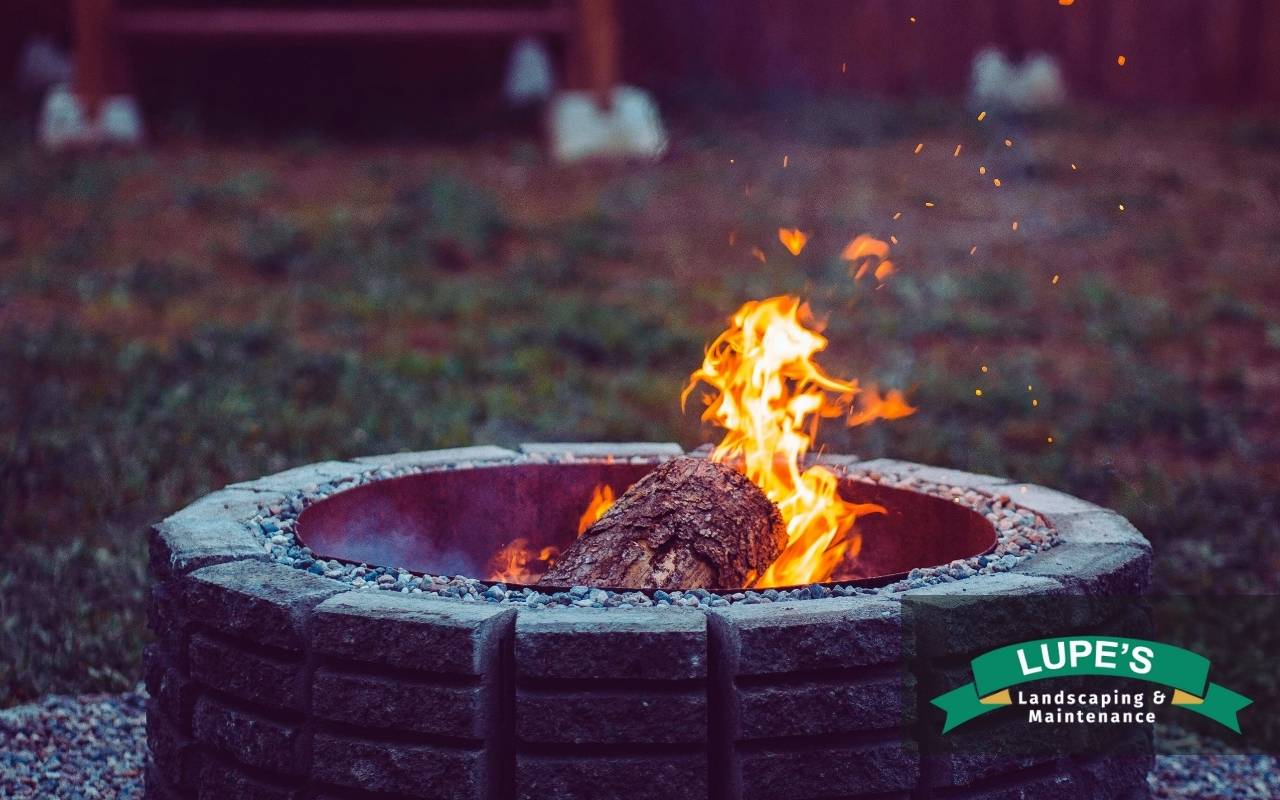
As the sun sets and a gentle chill fills the air, few experiences rival the cozy charm of a fire pit. Whether roasting marshmallows or sharing stories, the ambiance of a flame can transform an evening. Yet, one crucial consideration often goes overlooked: choosing safe fire pit locations. Correct placement not only enhances enjoyment but also protects your space from hazards. Imagine planning the ultimate backyard gathering, filled with laughter, music, and warmth. Without careful site selection, a perfect evening may turn into a safety concern. With strategic planning, you can therefore reduce risks and boost enjoyment. This post explores expert tips and strategies for selecting secure fire pit locations, ensuring your outdoor retreat stays safe and welcoming.
Importance of Choosing Safe Fire Pit Locations
Selecting the right spot for your fire pit goes beyond aesthetics—it’s a critical safety choice. A well-placed pit not only looks great but also prevents accidental fires. Moreover, safe fire pit locations reduce risks from sparks hitting structures, trees, or décor. By considering wind patterns, clearances, and distances, you minimize hazards and create a relaxing environment. Safety-first placement also extends the life of your landscaping and furniture by avoiding heat damage. In short, safe fire pit locations form the foundation of cozy evenings where sparks bring joy, not danger.
Factors to Consider When Selecting a Fire Pit Location
- Check slope and drainage to avoid pooling water.
- Observe wind patterns at different times of day.
- Balance proximity to seating with safe distance from greenery.
- Ensure visual harmony with landscaping or décor.
In addition, balancing safety and design goals ensures a practical and beautiful setup for gatherings.
Distance Regulations and Safety Guidelines
Many municipalities enforce distance rules for fire pits. Commonly, at least 10 feet must separate pits from buildings, fences, or trees. Therefore, always review your local fire codes before installing. Otherwise, fines and forced removals are possible if you ignore them. Beyond codes, voluntary safety rules matter too. For example, maintain a three-foot clear zone around the pit free of items or foliage. Furthermore, add a fire-resistant base such as stone or gravel. These steps build a stylish yet safe gathering space.
Assessing Surrounding Environment for Fire Pit Placement
Inspect your environment carefully before choosing a fire pit site. Remove combustible materials like mulch, dry leaves, or shrubs within a 10-foot radius. Moreover, use stone walls or retaining structures as natural windbreaks and boundaries. Avoid placing pits under eaves or near vinyl siding, as heat can warp these surfaces. As a result, combining design preferences with risk reduction creates a balanced fire pit area.
Fire Pit Placement in Relation to Flammable Materials
Map out all nearby flammable materials when positioning your fire pit. Specifically, keep sheds, propane tanks, and decorations at least 20 feet away. Plants like vines, grasses, or dry flowers can ignite easily and should stay clear. Instead, use fire-resistant landscaping such as stone borders, gravel, or non-combustible mulch. These choices consequently enhance beauty while protecting your yard.
Options for Enhancing Safety Around the Fire Pit Area
- Install spark screens to contain embers.
- Add low fences or guardrails for child and pet safety.
- Improve visibility with pathway and accent lighting.
- Keep fire extinguishers or sand nearby.
Overall, these measures boost confidence and ensure safety without reducing style or comfort.
Ensuring Proper Ventilation and Airflow for the Fire Pit
Good airflow ensures a cleaner burn and less smoke. Consequently, place your fire pit in open areas, away from walls or fences. Avoid depressions or enclosed spaces that trap smoke. Moreover, align pits with prevailing winds to disperse embers and direct smoke upward. Proper ventilation therefore enhances comfort, visibility, and overall safety.
Professional Consultation and Local Regulations Compliance
Consulting professionals prevents mistakes and saves time. Experts assess soil, drainage, and code requirements. They also ensure compliance with local rules, permits, and safe practices. Skipping permits may cause fines or removal orders. By involving certified help and securing permits, you ultimately guarantee safe and enjoyable gatherings.
Maintenance and Regular Safety Checks for Fire Pit Areas
Routine maintenance preserves fire pit safety and function. For example, inspect bricks, metal, or stone for cracks or rust. Clean ash and debris after each use. Regular cleaning promotes airflow and reduces creosote buildup. Moreover, test stones or pavers for heat damage and trim vegetation. Regular checks overall keep your fire pit reliable and safe.
FAQs About Safe Fire Pit Locations
What distance should a fire pit be from a house?
At least 10 feet is typically required; however, local codes may demand more space.
Can I place a fire pit on a wooden deck?
No, avoid wooden decks as they ignite easily. Instead, use fire-resistant surfaces like stone or gravel.
What materials are best around a fire pit?
Choose stone, gravel, or fire-resistant pavers to reduce heat and spark risks.
How do I protect children and pets near a fire pit?
Install barriers, use spark screens, and maintain close supervision at all times.
Do I need a permit for a backyard fire pit?
In many areas, yes. Therefore, always check local regulations before building or installing.
Elevating Your Backyard Gatherings with Secure Fire Pit Locations
Thoughtful planning ensures every flame adds joy instead of risk. Respecting codes, managing surroundings, and regular checks all matter. As a result, safe fire pit locations bring peace of mind and allow countless evenings of comfort and laughter. Ready to upgrade your backyard design? Explore modern patio design ideas or create your dream backyard oasis. Add ambiance with patio lighting or versatility with multifunctional decks. Finally, for expert advice and personalized help, contact our team today and make your backyard gatherings safe and unforgettable.