
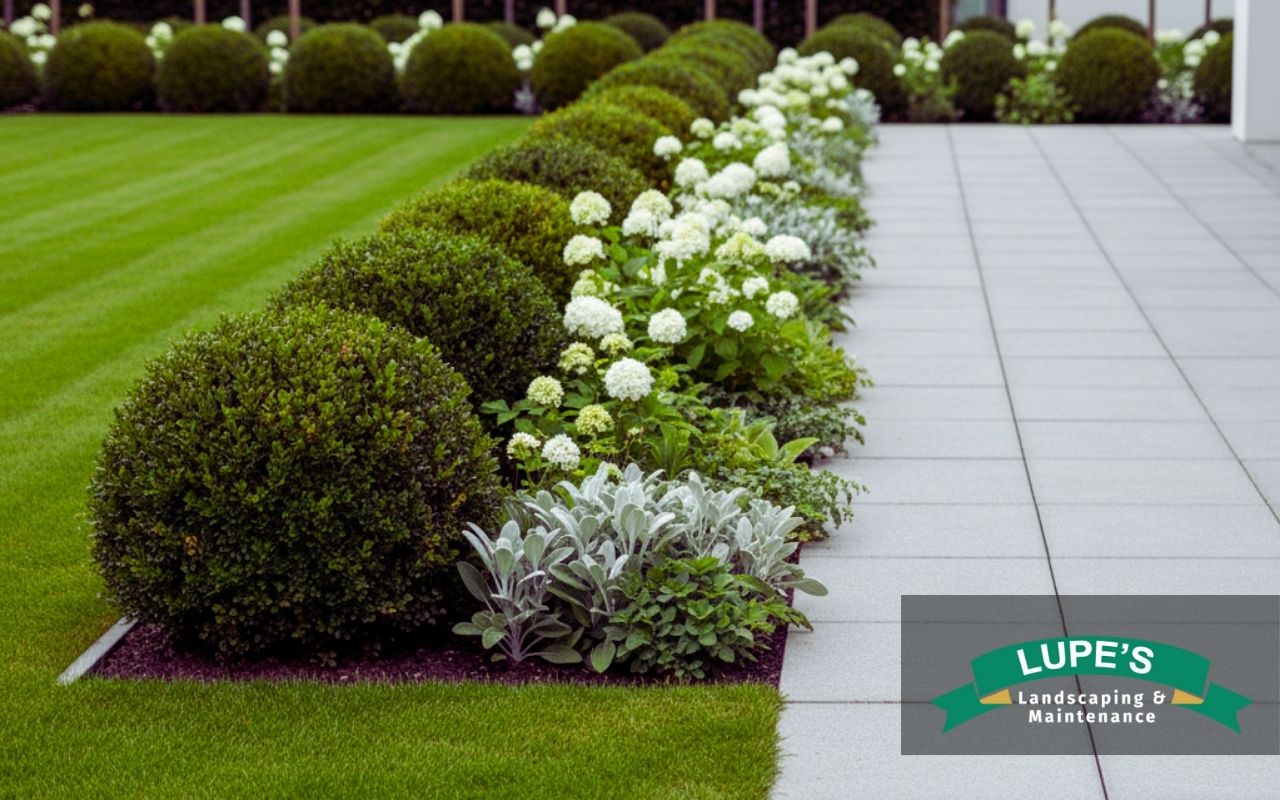
As the vibrant colors of summer fade, Bainbridge Island transforms into a picturesque setting ready for autumn. Planning your garden carefully now ensures it thrives through the colder months. Incorporating winter landscape ideas early helps preserve plant health, protect soil, and prepare your yard for winter. By addressing fall cleanup, pruning, and planting strategically, you can enjoy a vibrant and sustainable garden all year long.
Assessing Your Garden’s Needs for Fall: Winter Landscape Ideas
First, walk through each section of your garden. Note areas needing repair, such as worn pathways, compacted soil, or overgrown beds. Next, observe drainage patterns; poor drainage can lead to waterlogged roots and fungal issues. Identifying problem areas now allows you to plan solutions efficiently, a key component of effective winter landscape ideas.
Then, check plant health. Look for yellowing leaves or wilting stems, which may indicate nutrient deficiencies, pests, or irrigation issues. Measuring plant sizes helps plan for new fall plantings. Overall, this garden assessment ensures your fall work focuses on the most important areas.
Pruning and Trimming Techniques for Fall
Strategic pruning improves plant health and encourages strong growth. First, sterilize tools with a 10% bleach solution to prevent disease. Remove dead branches and eliminate suckers or water sprouts. These steps help plants survive winter and are part of smart winter landscape ideas.
Timing is essential. Late fall, after leaves drop, is ideal for pruning deciduous shrubs. Target smaller branches for clean cuts that heal quickly. Proper pruning reduces pests and disease while promoting spring growth.
Soil Preparation and Fertilization Tips
Healthy soil is the foundation of a thriving garden. Begin by testing pH and nutrients. Northwest soils often benefit from a pH of 6.5–7.0. Add amendments like lime or sulfur as needed. Loosen compacted beds with a broadfork, preserving soil structure. Mix in compost or aged manure to feed beneficial microbes. These practices support strong roots and effective winter landscape ideas.
Apply slow-release fertilizer to enhance root growth. Avoid high-nitrogen formulas that promote tender late-season growth. Instead, use 5-10-10 or similar, then lightly rake and water to activate nutrients before heavy rains.
Planting Fall-Friendly Flora
Planting in autumn gives roots time to establish before winter. Choose species suited to Bainbridge Island’s maritime climate. Many perennials, shrubs, and bulbs thrive in cooler soils. Adding native plants also supports local wildlife and reduces maintenance.
- Choose native plants for sustainability.
- Ensure proper soil depth and drainage.
- Water deeply after planting.
- Apply mulch to conserve moisture.
These choices form the backbone of practical winter landscape ideas.
Effective Leaf Management Strategies
Falling leaves can smother lawns and beds. Mulch fine leaves with a high mower deck for fast decomposition. For larger leaves, rake or blow into piles. These steps maintain healthy soil and complement your winter landscape ideas.
Compost leaves by layering carbon-rich leaves with nitrogen-rich green material. Keep the pile moist and turn every two weeks. Finished compost enriches soil, improves structure, and reduces waste. For guidance, see our mulching tips for fall guide.
Protecting Plants from Fall Pests and Diseases
Cooler, wetter weather can encourage fungal pathogens. Inspect foliage regularly, especially under leaves and along crowns. Remove diseased material promptly and dispose of it. These steps strengthen your winter landscape ideas for resilient plants.
Additionally, plant late-season flowers like goldenrod and asters to attract beneficial insects. For young or vulnerable shrubs, use mesh guards or trunk wraps to deter deer and rodents. Proactive pest management keeps your garden healthy naturally.
Transitioning to Winter Garden Care
As frost becomes common, shift focus from growth to protection. Complete yard cleanup to remove debris that can harbor pests. Drain hoses and insulate irrigation lines. Lift tender container plants or cover with frost cloth.
Apply mulch around perennials and shrubs to retain moisture and moderate soil temperature. Lightly prune late-flowering perennials, but delay hard pruning of woody shrubs until late winter. These steps complete your winter landscape ideas plan and ensure a strong start in spring.
FAQs About Fall Landscaping on Bainbridge Island
What are the best fall plants for Bainbridge Island?
Native species like evergreen huckleberry and Pacific ninebark are resilient and low-maintenance.
How can I compost leaves effectively?
Alternate layers of dry leaves and green waste, keep moist, and turn every two weeks.
When should I start pruning shrubs safely?
Late fall, once leaves have dropped, is ideal for pruning without stressing the plant.
How often should I fertilize before winter?
Apply slow-release fertilizer once in early fall to promote root growth and hardiness.
Why is mulching important in fall?
Mulching retains soil moisture, moderates soil temperature, and suppresses weeds.
Embracing the Beauty of Fall Landscaping on Bainbridge Island
Fall landscaping blends art and science. By assessing garden needs, pruning, composting leaves, and implementing winter landscape ideas, you prepare for winter effectively. This approach ensures your garden remains vibrant and resilient. For expert help, contact us today.