
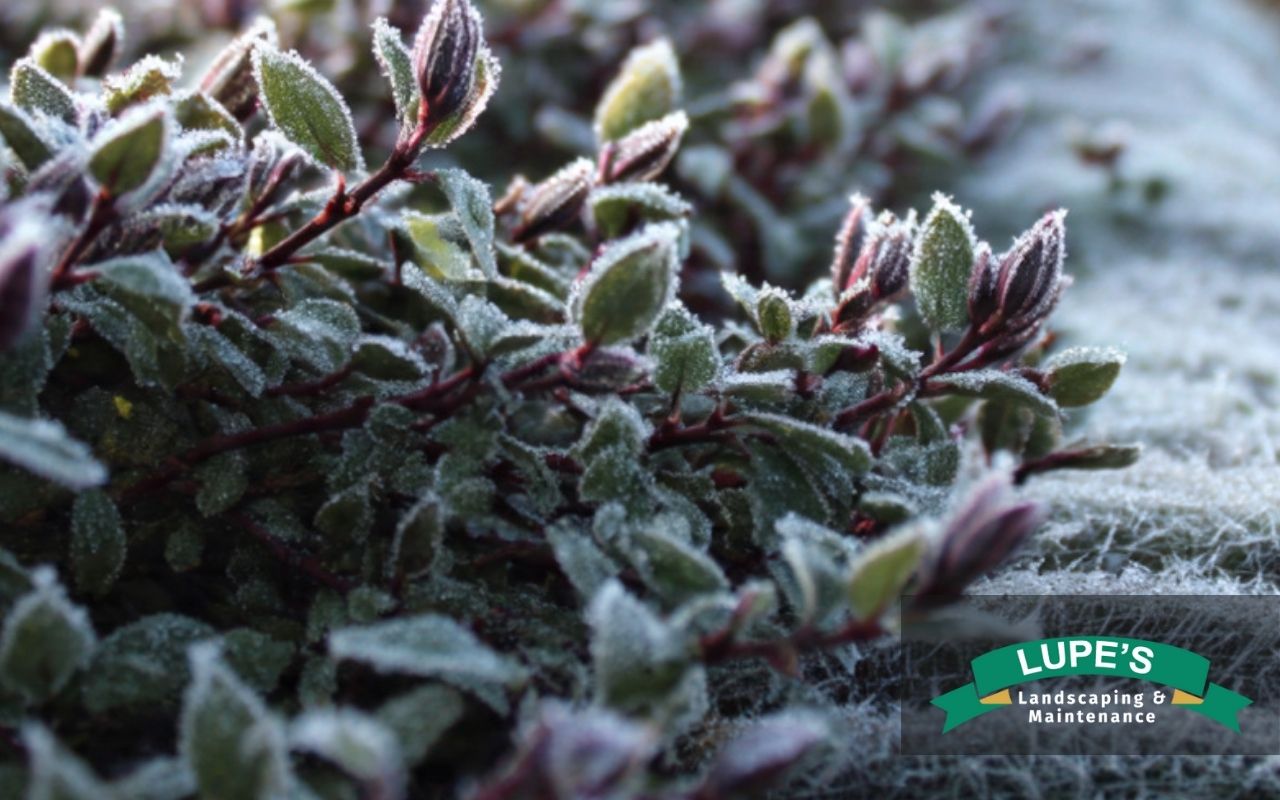
Winter plant protection in Bainbridge Island helps your garden stay healthy when chilly weather arrives. The island’s beautiful landscapes and rich biodiversity still face frost and cold winds each year, so simple care really matters.
It is not only about keeping your yard pretty. Instead, it is about helping the whole ecosystem stay alive. This guide explains easy ways to shield plants with frost cloths, windbreaks, mulch, and smart watering, without using complex or costly methods.
Importance of Winter Plant Protection in Bainbridge Island
Local gardens and natural areas usually enjoy mild winters. However, sudden frosts can damage young shoots and delicate leaves. Cold temperatures slow plant activity and may stunt growth or even harm plant tissues.
Early protective steps keep shrubs, perennials, and ornamental trees strong through low temperatures. As a result, Bainbridge Island’s green spaces recover faster in spring. Healthy plants also host helpful insects, feed birds, and hold soil in place, so winter care matters far beyond looks.
Choosing the Right Frost Cloths for Your Plants
Selecting good frost cloths keeps cold away while still letting air move. Lightweight fabrics allow moisture to pass through, which helps avoid condensation that can freeze on leaves. Additionally, choose durable, breathable covers designed for many seasons of use.
Remember a few simple frost cloth tips. Always secure the edges so wind cannot lift the fabric. Also, avoid resting the cover directly on leaves or buds. Instead, raise the cloth slightly to create a warm air pocket around each plant.
- Use breathable fabric instead of plastic sheets.
- Support cloth with stakes or hoops above foliage.
- Anchor edges with soil, rocks, or landscape pins.
- Remove covers during sunny days to prevent overheating.
Building Effective Windbreaks for Plant Shielding
Gardeners sometimes ignore wind damage, yet strong gusts quickly pull moisture from leaves and chill plants. Setting up windbreaks for shrubs and young trees creates a gentle barrier against these drying winds. Simple screens made from woven plastic mesh or bamboo work very well.
Place windbreaks on the side that faces the usual winter winds. Leave some space between the barrier and the plants so air can flow. This layout prevents wind from swirling and building pressure. With the right windbreaks for shrubs, you reduce frost burn and water loss.
- Use sturdy stakes and weather-resistant mesh or burlap.
- Make windbreaks slightly taller than the plants.
- Position barriers a few feet in front of plant rows.
- Check ties and posts after every heavy storm.
Harnessing the Power of Mulching for Winter Survival
Adding mulch around plant bases helps insulate roots and keep soil temperature more even. Organic materials such as straw, wood chips, or shredded leaves give strong protection during cold nights. They also block weeds that steal water and nutrients.
When you plan mulching for cold snaps, spread a layer about two to three inches thick. Keep mulch several inches away from tree trunks and stems to avoid rot and pest issues. As spring returns, the mulch slowly breaks down and enriches the soil with organic matter.
- Choose clean straw, bark, or leaf mold for best results.
- Spread mulch after the first light frost but before deep cold.
- Refresh thin or washed-away layers during long wet spells.
- Combine mulch with evergreen plants for Bainbridge Island to keep structure and color all winter.
Winter Watering: A Key Element in Plant Care
Even in cold seasons, soil can dry out under chilly winds and low humidity. Therefore, careful watering in winter makes sure plants have enough moisture without becoming waterlogged. Try to water on warmer days, when temperatures rise above freezing, so water can soak into the ground.
Use slow, deep watering instead of quick, light sprinkling. This method encourages roots to grow deeper and become more resilient. Also, keep checking soil moisture and adjust your watering in winter to prevent drought stress and support strong plant growth.
Identifying Vulnerable Plant Species in Bainbridge Island
Certain local or commonly grown species feel frost and wind chill more quickly. Evergreen shrubs such as lavender or rosemary often need extra care, as their leaves can wilt in cold air. In addition, young fruit trees and tender perennials may require covers or small shelters.
Shade-loving plants moved into winter sun can suffer sunscald when frost follows. By learning which plants need extra attention, you can focus protection where it matters most. You can also review guidance on seasonal plant care on Bainbridge Island to plan support for each species.
DIY Plant Covers: Cost-Effective Solutions for Winter Protection
Homemade covers can protect as well as store-bought options when you use breathable, weather-safe materials. Old bed sheets, burlap sacks, or leftover frost cloths can become simple tents over potted or in-ground plants. Place the fabric over a frame of stakes or hoops so it does not crush foliage.
Secure the edges with rocks or garden staples to keep wind from lifting the cover. For extra warmth, you can layer materials, such as adding burlap over light mesh. These budget-friendly DIY plant covers give you flexible winter plant protection in Bainbridge Island without adding big expenses.
Monitoring and Adjusting Winter Protection Strategies
Regular checks are essential for success. After strong winds or heavy rain, look over frost cloths and windbreaks for tears or loose edges. Mulch can move or thin out, so topping it up keeps insulation steady and reliable.
Watch plants for signs of stress, including yellowing leaves, drooping branches, or brittle stems. Meanwhile, keep a simple record of harsh weather and how your plants respond. Over time, you can adjust coverage, watering, and even design more low-maintenance landscaping ideas that handle winter better.
Community Engagement: Promoting Plant Protection Awareness
Sharing winter care knowledge strengthens the island’s overall resilience. Local gardening clubs and neighbors can host workshops on topics like mulching for cold snaps and watering in winter. Posting before-and-after photos of protected beds on social media also inspires others to try similar techniques.
Community projects such as mulch exchanges or group windbreak installations reduce individual effort and cost. By trading tools, time, and ideas about winter plant protection in Bainbridge Island, residents help keep private gardens and public green areas vibrant all season.
Frequently Asked Questions
How early should I start winter plant protection in Bainbridge Island?
Begin planning as soon as fall temperatures start to drop. Put frost cloths, mulch, and windbreaks in place before the first hard frost, so plants adjust gradually.
Can I leave frost cloths on plants all winter?
You can keep frost cloths in place during long cold periods. However, remove or open them on sunny days so plants get light and fresh air, and to avoid overheating.
What type of mulch works best for cold snaps?
Organic mulches, such as straw, shredded leaves, or wood chips, usually work best for protecting roots during short cold snaps. Choose clean materials free of weeds and pests.
How often should I be watering in winter?
Check soil moisture every week or two. Water deeply on warmer days when the soil feels dry a few inches down, but avoid watering frozen ground or waterlogged beds.
When should I ask a professional for help with winter care?
If you have many sensitive plants, complex slopes, or repeating winter damage, it helps to request tailored support through the local winter plant care contact form.
Ensuring Sustainable Greenery on Bainbridge Island
Effective winter plant protection in Bainbridge Island relies on simple, steady steps. Choosing frost cloths wisely, building smart windbreaks, mulching well, and managing watering in winter all support plant health. Learning which species need extra care and using DIY covers provides strong protection during every cold spell.
As neighbors share ideas and track results, long-term success grows. When residents work together and seek expert advice when needed, gardens and public spaces stay lush and welcoming. With simple winter plant protection in Bainbridge Island, the landscape can thrive even when winter air feels sharp and cold.