
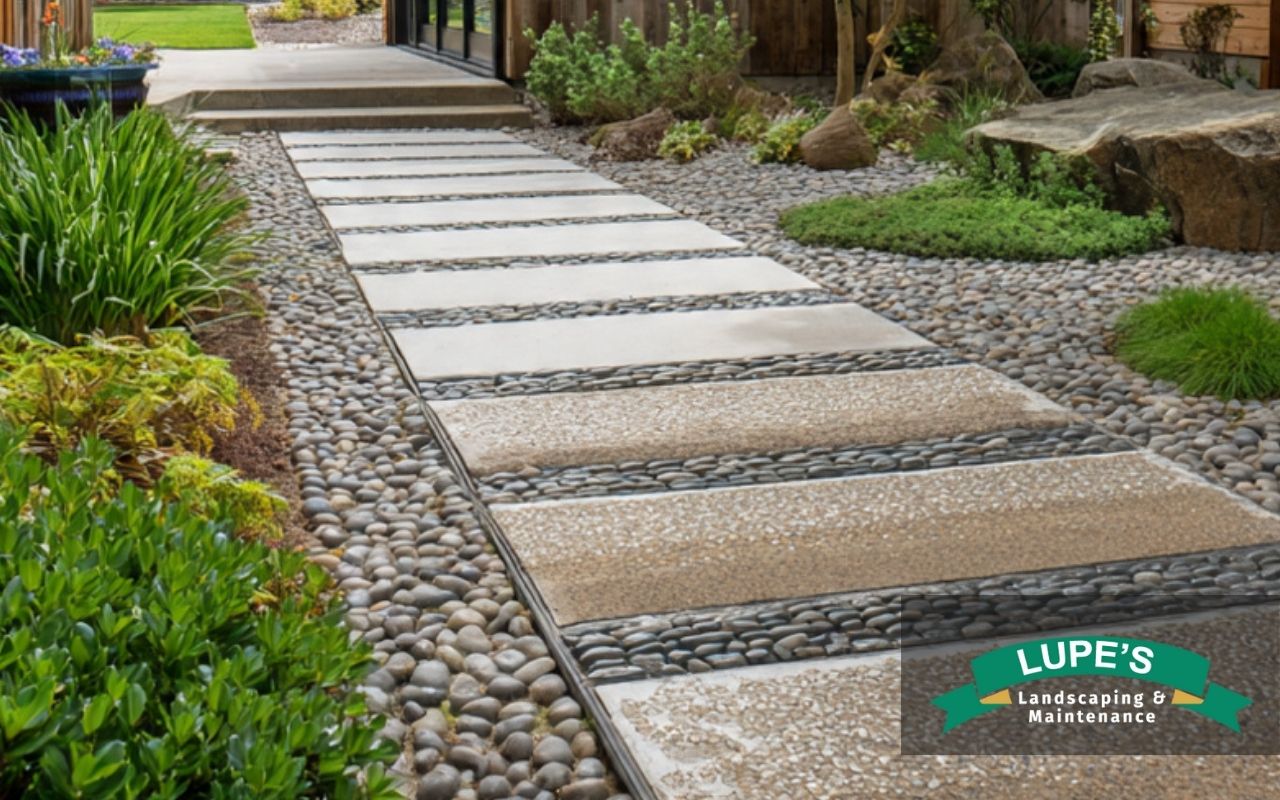
Non-slip patio surfaces for Bainbridge Island let you enjoy the fresh Puget Sound breeze without worrying about slick steps or paths. In this rainy climate, constant moisture, moss, and algae can quickly turn a beautiful patio into a daily safety risk.
However, you can choose durable solutions that keep your outdoor space attractive and secure in every season. From textured paver finishes and grit additives for sealers to smart winter care routines, the right choices create a safe, stylish extension of your home that fits your daily life and local weather. For layout ideas that handle rain and wind, explore weatherproof patio designs that work beautifully around Bainbridge Island homes.
Textured paver finishes for enhanced grip
Choosing textured paver finishes can dramatically boost traction on non-slip patio surfaces for Bainbridge Island homes. Ribbed, grooved, or pebble-like textures break up water and help your feet feel secure. Concrete or natural stone pavers can be treated to create a rough surface that channels water away quickly.
With careful installation, these pavers resist algae and slip risk, which is essential in our damp coastal climate. They also add visual interest, from earthy tones that blend with surrounding trees to bold shades that frame your furniture and planters. If you want expert guidance on materials and layouts, learn more about custom patio installation services before you choose a final design.
- Pick patterns with visible texture for better grip.
- Use gentle slopes so water drains away from your home.
- Schedule periodic cleaning to prevent buildup in the paver lines.
Grit additives for sealers: extra layer of protection
Adding grit additives for sealers creates a thin, nearly invisible layer of traction on your patio. These tiny granules mix into a clear sealer, so the color and pattern of your pavers or concrete still show through. The particles sit slightly above the surface, ready to give every step a subtle, secure feel.
This method works well for new and existing patios, especially in wet climates. The sealer fills small pores and helps block moisture, while the grit reduces slipping on damp days. Regular inspections prevent worn areas from becoming slick again. When needed, simply reapply the sealer to keep your outdoor space safe and good-looking.
Rubber pavers: resilient and slip-resistant option
Rubber pavers offer a soft, comfortable choice for homeowners who want secure patios with less impact on joints. Made from recycled rubber, these pavers absorb shock and resist cracking, which is helpful during frequent freeze-thaw cycles. Their naturally cushioned texture grips well underfoot and reduces algae and slip risk in wet conditions.
Installation is usually straightforward because many rubber pavers come in interlocking shapes that fit like puzzle pieces. You can place them over an existing patio, which often reduces labor time. Basic sweeping or a quick rinse removes most debris, and rubber naturally resists mold and mildew.
- Ideal for families who want softer landings for kids and pets.
- Available in several colors to complement furniture and plantings.
- Easy to replace individual pavers if one becomes damaged.
Porous concrete: allowing water drainage for safety
Porous concrete is a smart option when you want a solid surface that still lets water drain through. Unlike standard concrete, this mix has small voids that allow rain to travel downward instead of pooling on top. That drainage feature reduces algae and slip risk, especially on walkways and steps.
Routine sweeping keeps leaves and dirt from blocking the pores. If drainage slows, a gentle rinse with a garden hose usually restores flow. You can personalize the look with color additives or decorative borders, creating a modern finish that suits classic and contemporary homes alike while still staying low maintenance.
Composite decking: durable and low-maintenance choice
Composite decking blends wood fibers with plastic to create boards that resist rot, warping, and moisture damage. Many brands add a subtle, textured finish to help improve grip, even when the deck is damp. This combination is well suited to Bainbridge Island’s long rainy season.
Unlike traditional wood, composite boards usually do not require yearly staining or sealing. Simple cleaning with mild soap and water keeps them looking fresh. You can choose from a wide range of colors and realistic wood grains to match your home’s style. Over time, the reduced upkeep and stronger slip resistance can offset the higher upfront material cost.
Interlocking tiles: easy installation for instant traction
Interlocking tiles offer a quick way to enjoy non-slip patio surfaces for Bainbridge Island without a major remodel. These modular pieces snap together and can sit on many bases, including concrete, older decking, or compacted gravel. Raised patterns on the tile surfaces keep water moving and give feet reliable grip.
Because many homeowners can install these tiles on their own, they are perfect for weekend upgrades. Materials vary from plastic and rubber to composite blends, all designed to resist algae growth. If one tile cracks or fades, you can replace it individually instead of redoing the entire patio.
Natural stone options: elegant and secure patio surfaces
Natural stone brings timeless character to outdoor spaces while still offering good traction when prepared correctly. Stones such as slate, sandstone, and limestone often have natural texture that reduces slipping. When sealed with a breathable, clear product, they repel water and help resist stains and weather damage.
These patios need occasional moss and algae removal to keep the surface grippy. A stiff brush and a safe, eco-friendly cleaner usually handle the job. While natural stone often costs more at the start, it adds strong curb appeal and long-term durability that many homeowners appreciate.
Maintaining non-slip surfaces in winter months
Keeping your patio safe during winter surface cleaning is essential in a rainy, chilly climate. Fallen leaves, frost, and constant drizzle can gradually form slippery films. A simple routine that includes sweeping debris and rinsing the surface prevents buildup before it becomes a serious hazard.
For tougher moss or grime, use a soft-bristled brush with a mild cleaner that will not damage sealers or stone. During freezing periods, avoid harsh rock salt that can etch surfaces. Instead, pick pet-friendly, chloride-free deicers that melt ice without harming the patio. Regular checks after storms keep traction strong and support easy winter surface cleaning throughout the season.
- Sweep or blow leaves away at least once a week.
- Spot-treat slippery patches before guests arrive.
- Use only deicers labeled safe for concrete, stone, or pavers.
Professional sealing services for longevity
Hiring experts to reseal your patio can extend its life and preserve traction. Professionals have access to high-quality sealants that fill tiny pores, protect against moisture, and keep grit additives for sealers working effectively. This service suits concrete, stone, pavers, and some composite products.
During a visit, specialists also check for early signs of damage or returning algae and slip risk. Catching problems quickly often means smaller, less expensive repairs. After sealing, you will usually notice richer color and a cleaner overall look. If you would like guidance tailored to your property, you can contact the Lupé Landscaping & Excavating team to discuss options for your specific patio.
To keep your surfaces performing well between professional visits, you can also follow these helpful patio maintenance tips for Kitsap County homeowners and adjust them to Bainbridge Island’s unique microclimate.
Frequently Asked Questions
What makes a patio surface non-slip on Bainbridge Island?
On Bainbridge Island, non-slip performance comes from texture, drainage, and proper sealing. Rough finishes, channels that move water away, and high-quality sealers with added grit all help. Regular cleaning keeps algae from forming slick layers over time.
Are textured paver finishes enough for rainy seasons?
Textured paver finishes provide a strong starting point for safety, but they work best with good drainage and routine maintenance. Sealing, sweeping, and occasional washing prevent dirt and moss from filling the texture and making the surface feel slick again.
How often should I plan winter surface cleaning?
In wetter months, quick winter surface cleaning once a week is wise, especially in shaded areas. After major storms or heavy leaf fall, a fast sweep and rinse prevent buildup. High-traffic zones may require extra attention to stay safe.
Do grit additives for sealers change how my patio looks?
Most grit additives are designed to be subtle. They usually do not change the color or pattern of your patio. Instead, they sit slightly above the surface and gently increase traction, especially in damp or misty weather.
When should I hire a professional to reseal my patio?
You should consider professional resealing every one to three years, depending on traffic, sun exposure, and weather. If water stops beading, colors look dull, or surfaces feel slick even after cleaning, it is a good time to schedule a visit.
Creating a safe and stylish outdoor haven
By choosing materials like textured paver finishes, rubber pavers, or composite decking, you can enjoy non-slip patio surfaces for Bainbridge Island that stay safer through long wet seasons. Consistent maintenance, including careful winter routines and occasional professional sealing, further protects your investment.
Whether you prefer the elegance of natural stone or the flexibility of interlocking tiles, there is an option that fits your style and needs. With the right design and upkeep, your patio becomes a secure, welcoming outdoor room where family and friends can relax in comfort, season after season.