
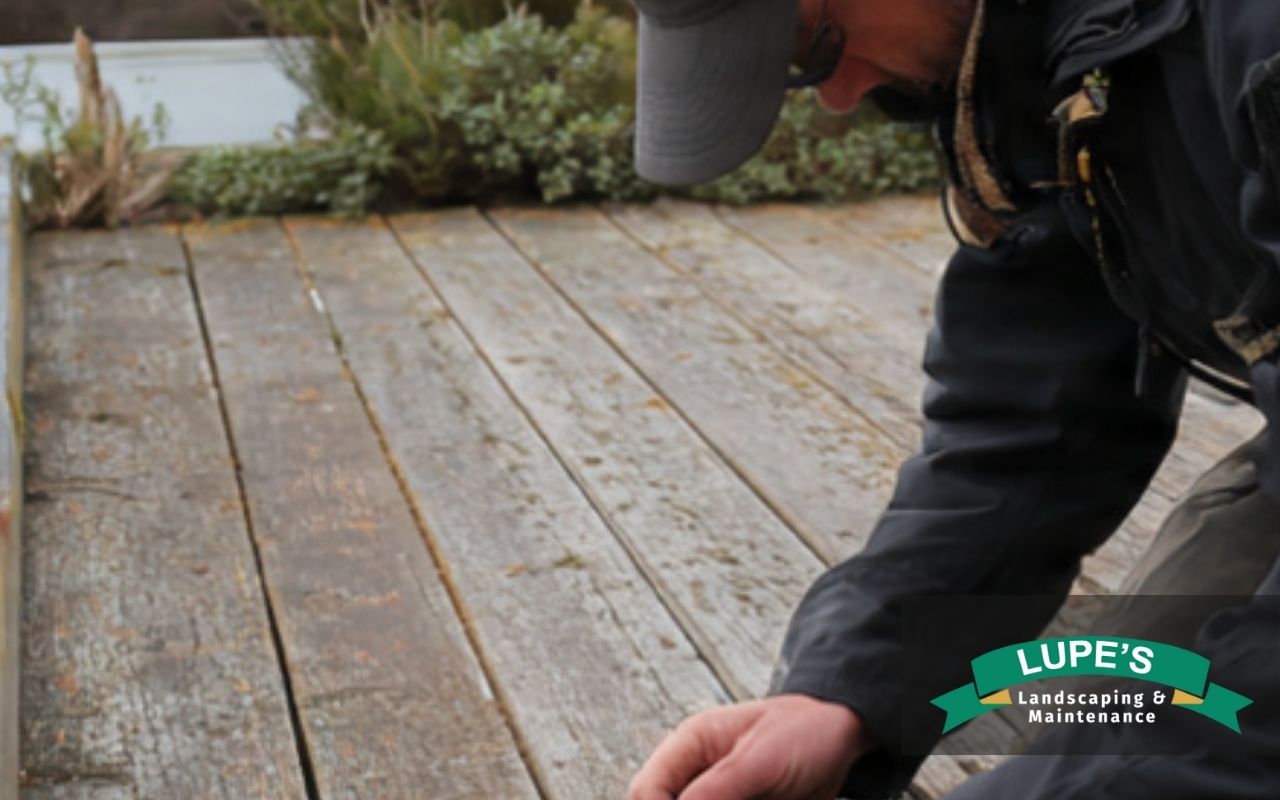
Coastal deck inspections in Bainbridge Island help you keep your outdoor space safe, calm, and ready for daily use. While you enjoy the peaceful views, your deck quietly faces wind, rain, salt, and moisture that slowly weaken wood and metal parts.
Because of this constant exposure, regular checks matter for safety and comfort. By learning what a full inspection includes, you can spot trouble early and plan smart repairs. You will understand fastener corrosion check steps, railing stability test methods, joist rot spotting, and even a clear ledger flashing review.
Importance of Coastal Deck Inspections
Regular coastal deck inspections in Bainbridge Island catch small problems before they become serious safety risks. Moisture, salt in the air, and changing temperatures weaken boards, posts, and fasteners over time, even when the surface still looks clean and attractive.
Routine checks protect your family and guests from slips, trips, and sudden failures. They also help your deck last longer and avoid major repairs. Moreover, a well cared-for deck improves curb appeal and attracts buyers who notice signs of steady maintenance.
- Reduce the chance of loose boards and wobbly railings.
- Spot early damage before it spreads across large areas.
- Support your home’s value with a safe, tidy outdoor space.
For a simple overview of safety basics, you can review this helpful deck safety guide and compare it with your current maintenance routine.
Understanding the Threats: Nature vs. Deck
Salt-heavy winds strike exposed wood and metal, speeding up wear and rust. Frequent rain and damp air invite mold, mildew, and rot. Gentle seaside views often hide the harsh environment slowly attacking every board, post, and screw on your deck.
Even mild changes in weather cause wood to swell and shrink, loosening joints and fasteners. In addition, termites and carpenter ants love damp, soft wood, which makes structural pieces even weaker. Knowing how harsh weather behaves shows why coastal deck inspections in Bainbridge Island should never be skipped.
Key Elements of a Comprehensive Inspection
Every detailed check of your deck should follow a clear path. You look at how boards meet supports, check contact points near the ground, and study the connection to your home. Keeping simple notes and photos helps you track changes over the seasons.
- Perform a careful fastener corrosion check on nails, screws, and bolts.
- Complete a steady railing stability test along every section you can reach.
- Carry out joist rot spotting on shaded or damp framing members.
- Finish with a thorough ledger flashing review where the deck meets the house.
By focusing on these core elements, you avoid missing hidden trouble. Over time, your recorded notes create a clear picture of your deck’s health and repair history.
Fastener Corrosion Checks
Begin by looking closely at nails, screws, and bolts that hold boards and framing together. Search for rust stains, dark streaks, or metal that looks thin or pitted. Pay extra attention to spots where water collects, such as post bases and tight gaps between boards.
Removing a few boards can reveal hidden rust at joist connections. When you see deeper damage, replace weak fasteners with stainless steel or coated parts. Additionally, keep a simple log of every swap so you can notice patterns in corrosion over the years.
Assessing Railing Stability
To test railings, hold the top rail and push and pull firmly. Any shaking, movement, or creaking noise shows that repairs are needed. Posts often loosen at their base when moisture softens the surrounding wood or concrete footings.
Next, inspect all brackets and fasteners that hold the railing system together. Look for cracked wood, split posts, or rusty metal parts and tighten or replace them quickly. Strong, steady railings prevent falls and let you lean on them with full confidence.
Identifying Joist Rot
Start joist checks by tapping exposed framing with a hammer. A dull sound or soft feel suggests possible rot. Always focus first on shaded or damp areas, because these zones stay wet longer and break down more quickly than sunny sections.
Lift a few boards so you can see joist tops and sides clearly. Use a screwdriver to probe suspect spots. Shallow damage may be cleaned and sealed, but deeper rot usually means the joist needs replacement for long-term safety and strength.
Proactive Maintenance Measures
Light, steady maintenance goes a long way. Clean your deck regularly to remove dirt, leaves, and salt. Once a year, a gentle wash helps clear mold and algae before they spread. After the surface fully dries, apply a quality sealer with protection from sun and moisture.
Also, check the ledger area where your deck meets the house. Make sure flashing is secure, smooth, and sealed tight against the siding. If you see gaps or cracked caulk, refresh the seal so water cannot sneak behind the ledger board and weaken the structure.
If your current boards keep failing, you might explore low-upkeep materials. Comparing different composite decking options can help you choose a surface that handles coastal weather with less yearly work.
DIY Inspection Tips and Tools
Basic hand tools are enough for most home checks. Before you begin, gather a flashlight, screwdriver, hammer, and a simple moisture meter. A small mirror on a long handle helps you see under joists and around flashing without removing many boards.
- Use a flashlight and mirror to scan hard-to-reach corners.
- Tap boards and joists with a hammer to find soft or weak spots.
- Check fasteners, railings, and flashing using a short, repeatable checklist.
Take clear photos and write short notes about any trouble you find. Plan quick monthly scans and deeper checks twice a year. With a simple routine, coastal deck inspections in Bainbridge Island feel manageable instead of overwhelming.
When to Seek Professional Help
Sometimes damage goes beyond simple fixes. If you notice wide cracks, sagging sections, severe rust, or large areas of rot, it is wise to call a licensed deck professional. They can uncover hidden problems in footings, framing, and ledger areas that are hard to see.
Complex issues such as a failing ledger connection or damaged supports often need advanced tools and building code knowledge. Rather than guess, you can contact our team to schedule a careful inspection and get clear repair recommendations based on your deck’s condition.
If you decide your space needs more than repairs, exploring custom deck building services can turn your current structure into a safer, more inviting outdoor area.
Frequently Asked Questions
How often should I inspect my coastal deck?
Most coastal decks benefit from a quick monthly look and a deeper inspection once or twice each year. After major storms or heavy winds, do an extra check to catch new damage early.
What are the most common signs of deck trouble?
Watch for soft or spongy boards, rusted fasteners, peeling paint, loose railings, and green or black growth. These signs often point to moisture problems that can weaken the structure if ignored.
Can I handle all deck inspections on my own?
You can manage many basic checks yourself with simple tools and a checklist. However, when you see serious rot, sagging, or heavy rust, bringing in a professional helps ensure nothing important is missed.
Why is corrosion such a big issue near the coast?
Salt in the air speeds up metal rust, especially on screws, nails, and brackets. Over time, corroded hardware loses strength and may no longer hold boards and railings safely in place.
When should I think about replacing my deck instead of repairing it?
If large areas of framing are damaged, repairs become frequent, or the deck no longer meets your needs, replacement may be the better choice. A professional can compare repair costs with the value of a new structure.
Prioritizing Safety for Your Outdoor Oasis
Routine checks do more than keep your deck tidy; they protect everyone who uses the space. By planning coastal deck inspections in Bainbridge Island each year, you create a safer place for relaxing, hosting friends, and making memories outdoors.
Focusing on key tasks such as corrosion checks, railing tests, rot searches, and flashing reviews keeps problems from growing unseen. With steady care and timely help when needed, your deck can remain a reliable, welcoming part of your home for many years.