
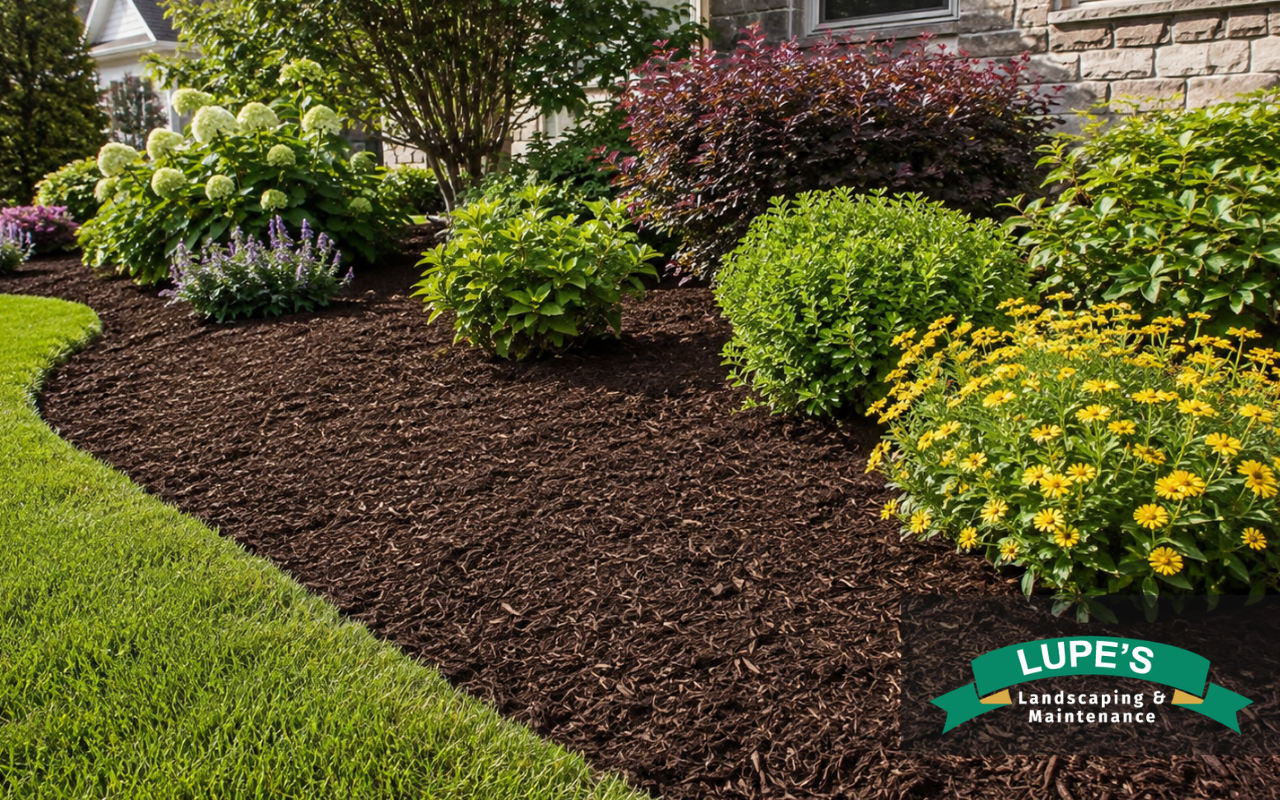
A finished mulch bed can make a property look cleaner in a single day, but appearance is only one benefit. Correctly selected and installed mulch can protect soil, reduce erosion, moderate temperature changes, and support moisture management during the Pacific Northwest’s dry summers and wet winters.
The most important landscape mulch benefits come from matching the material and depth to the site. Bark mulch that works well beneath shrubs may not be the right option beside a walkway, in a rain garden, or around plants that need drier soil.
What Mulch Can Do for Your Landscape
- Slow moisture loss from exposed soil during warm weather
- Reduce splash and surface erosion during rain
- Limit many annual weeds when applied over prepared soil
- Moderate rapid soil-temperature changes
- Create visual separation between lawns, beds, and hardscape
- Add organic matter gradually as natural mulch decomposes
Washington State University Extension notes that mulch can conserve water, suppress weeds, and even out soil-temperature extremes. It also warns that material should remain several inches away from trunks and stems to avoid excess moisture and decay.
Bark Mulch, Decorative Mulch, or Stone?
| Material | Best Application | Maintenance Consideration |
|---|---|---|
| Fine bark | Finished ornamental beds | Can migrate on slopes or compact over time |
| Coarse bark or wood chips | Shrub beds and natural areas | Needs occasional replenishment as it decomposes |
| Compost-based mulch | Beds needing organic matter | Quality and weed-seed content should be checked |
| Decorative gravel | Defined modern beds and drainage-friendly details | Requires strong edging and weed preparation |
| Leaf mulch | Natural garden areas | Should be shredded to reduce matting and movement |
Mulch Moisture Retention Without Soggy Soil
Mulch moisture retention is useful during Bainbridge Island’s drier summer weeks, but mulch cannot correct a poorly drained bed. If soil remains saturated, adding a thick layer may hide the warning signs rather than solve the problem.
Before installation, we evaluate how water enters and leaves the area. Roof runoff, compacted soil, slope direction, irrigation, and nearby hard surfaces can all affect moisture. Correct drainage and bed preparation should come before the final decorative layer.
How Deep Should Mulch Be?
Many landscape beds perform well with roughly two to four inches of organic mulch, depending on the material and existing conditions. New material should not be added automatically every year without checking the depth already present.
🌿 Expert Tip: Pull back the existing mulch before ordering more. A bed that looks thin on top may contain several compacted layers underneath.
Common Mulching Problems
Mulch Volcanoes Around Trunks
Piling bark against a trunk holds moisture where the plant needs air circulation. It can hide decay, encourage unwanted roots, and make inspection difficult. Keep the root flare visible and leave a clear gap.
Covering Established Weeds
Mulch can limit new weed germination, but it does not reliably eliminate established perennial weeds. Prepare the bed first by removing roots and unwanted growth.
Using Landscape Fabric Everywhere
Fabric may have a place beneath certain decorative stone installations, but it can become clogged with soil and organic matter. In planted beds, it may complicate future planting and maintenance.
Ignoring Slopes and Runoff
Fine mulch can wash downhill during strong rain. Coarser material, stone, terracing, or better edging may be more suitable where water concentrates.
A Simple Mulching Service Process
- Inspect the site, plants, drainage, and current material.
- Remove weeds, debris, and excessive old mulch where needed.
- Define bed edges and protect nearby hard surfaces.
- Apply an appropriate material at a consistent depth.
- Keep mulch clear of trunks, siding, and drainage openings.
- Rake and clean the surrounding property.
Read our fall mulching tips for seasonal guidance. Homeowners who want to reduce ongoing upkeep can also explore our low-maintenance landscaping ideas.
Why Hire a Local Mulching Team?
Material volume, delivery access, bed preparation, edging, and cleanup can turn a simple weekend project into a demanding job. Professional mulching services in Bainbridge Island help ensure consistent coverage without burying plants or blocking drainage.
At Lupe’s Landscaping & Maintenance, we have more than 20 years of experience serving residential and commercial properties. We are licensed and insured, provide free estimates, accept cash and checks, and are available Monday through Saturday from 7:00 a.m. to 7:00 p.m.
Frequently Asked Questions
How often should bark mulch be replaced?
Replacement depends on material, depth, decomposition, slope, and exposure. Inspect the bed before adding more. Often, light replenishment is better than placing a full new layer annually.
Does mulch prevent every type of weed?
No. It can suppress many annual weeds, but established perennial weeds may grow through it. Proper bed preparation and ongoing spot maintenance are still necessary.
Can mulch damage shrubs or trees?
Yes, when it is piled against trunks or applied too deeply. Keep mulch several inches away from woody stems and maintain a breathable, even layer.
Is decorative stone better than bark mulch?
Neither is best everywhere. Stone lasts longer and suits certain designs, while bark supports organic soil processes. Drainage, plants, slope, and maintenance goals should guide the choice.
Do you provide mulch for commercial properties?
Yes. At Lupe’s Landscaping & Maintenance, we offer residential and commercial mulching services, free estimates, and convenient Monday-through-Saturday scheduling.
Refresh Your Landscape With the Right Mulch
Mulch should support the landscape, not simply cover the soil. The right choice can improve bed definition, protect exposed ground, and make routine maintenance more manageable.
Request a free mulching estimate and receive a practical recommendation for your Bainbridge Island property.