
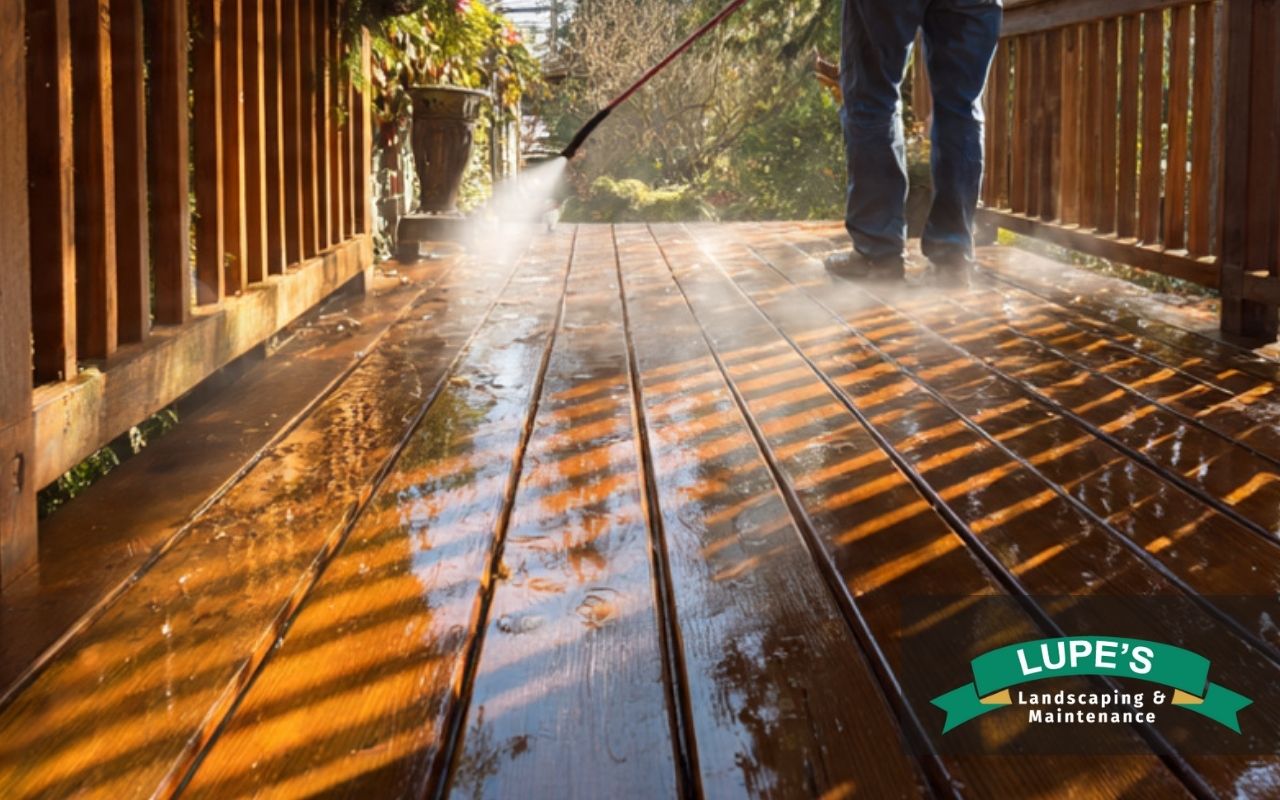
Deck mold prevention in Bainbridge Island starts with noticing small changes on your deck before they grow. Moist weather makes mold common here, and wooden boards quickly show dark, slippery patches. Instead of feeling stressed, you can follow clear steps that keep your space looking clean and feeling safe for your family.
With a few steady habits, you do not need expert skills to protect your deck. Simple routines, such as regular cleaning, better airflow, safe cleaning products, and sealing busy paths, all work together. These methods help your deck stay strong, reduce future repairs, and keep your outdoor area welcoming all year.
Understanding the impact of mold on decks in Bainbridge Island
On a damp morning, you may see slick, green areas on boards, railings, and steps. In Bainbridge Island’s cool, moist weather, mold thrives on wood fibers, pollen, and shade. Left alone, it can slowly soften the surface, damage boards, and create unsafe areas where slips and falls are more likely.
When you think about deck mold prevention in Bainbridge Island, it helps to see how mold affects health and structure. Mold can trigger allergies and breathing issues during gatherings outside. Over time, moisture may weaken posts and beams. For more safety guidance, explore deck safety tips for Bainbridge Island homeowners and plan ahead.
Establishing a winter cleaning schedule to prevent mold growth
During rainy months, fallen leaves and dirt collect between deck boards and trap moisture. Because of this, they create perfect conditions for mold to spread. A simple cleaning schedule winter helps you stay ahead of problems. Set dates on your calendar so sweeping and washing become routine, not last-minute chores.
Regular light cleanings are easier than deep scrubbing once stains set in. Use a stiff brush and mild soap to loosen grime, then rinse with clean water. To simplify your plan, follow these easy steps:
- Sweep leaves and needles every two to three weeks.
- Wash surfaces with gentle soap every four to six weeks.
- Rinse away soap so no residue attracts more dirt.
- Check corners and stairs where water collects.
Ensuring proper airflow under your decking
Good airflow under decking helps boards dry more quickly after each storm. Without ventilation, damp air sits under the structure and keeps wood wet for longer. Over time, this trapped moisture encourages mold growth and can shorten your deck’s life, especially in shaded or low areas.
Twice a year, clear away weeds, soil piles, and stored items that block air movement. You can also:
- Trim plants and shrubs away from the deck edge.
- Remove debris lodged between joists and supports.
- Add lattice panels or grates that allow airflow but limit pests.
- Consider taller supports if the deck sits very close to the ground.
By gently improving airflow under decking, moisture has less time to settle, and mold finds fewer damp spots to grow.
Choosing safe and effective mold removers
When mold appears, the cleaner you choose matters for both your deck and the environment. Harsh products can strip finishes and dry the wood, which may lead to cracks. Instead, pick safe mold removers that are gentle yet effective, so you protect both the surface and nearby landscaping.
Eco-friendly deck cleaners or a mix of mild soap, water, and a little white vinegar often handle light mold. For tougher stains, oxygen-based deck cleaners lift discoloration without bleaching the boards. Always test a small hidden area first, follow label directions, scrub with a soft brush, and rinse thoroughly after treatment.
Sealing high-traffic zones for extra protection
Busy areas like steps, entries, and paths near furniture wear out faster than the rest of the deck. As the finish thins, water soaks into the wood more easily. Therefore, sealing high-traffic zones once a year creates a strong barrier that resists moisture and slows mold growth.
Before you seal, ensure the wood is dry, clean, and free of dust. Choose a quality sealant with mold-resistant additives and apply it with a brush or roller in even strokes. Pay close attention to cracks, board ends, and edges. These small details help high-use sections stay protected in wet, coastal weather.
Using natural remedies for mold prevention
If you prefer simple, natural options, several gentle products help discourage mold. Baking soda sprinkled between boards and on shady spots absorbs moisture and reduces odors. After a day or two, you can sweep the powder away and rinse lightly with water to remove any residue left on the surface.
Another helpful remedy uses tea tree oil, which has natural antifungal properties. Mix a small amount with water in a spray bottle, apply to affected areas, and let it sit for several minutes. Then scrub gently with a soft brush and rinse. Alternating these natural methods provides regular, low-impact support for your other cleaning steps.
Regular maintenance tips to keep mold at bay
Consistent, simple habits make the biggest difference over time. After heavy rain, look for dark or slimy patches, musty smells, or soft spots underfoot. Quickly removing leaves and puddles keeps water from settling. Also, place furniture and planters on risers so air can move underneath and boards dry evenly.
Every year or two, consider adding a fresh coat of stain or sealant to improve water resistance. Additionally, keep gutters and downspouts clear so they do not pour water onto your boards. Simple tasks like sweeping, rinsing, and quick inspections form a strong part of your deck mold prevention in Bainbridge Island plan.
- Inspect the deck surface after major storms.
- Clean small mold spots immediately before they spread.
- Raise pots and furniture to avoid trapped moisture.
- Refresh sealant on weathered areas as needed.
Seeking professional help when needed
Sometimes mold growth covers a large area or returns soon after cleaning. In these cases, calling a professional is a smart move. Local experts who focus on deck mold prevention in Bainbridge Island can spot hidden damage, use commercial-grade tools, and recommend repairs that might not be obvious at first glance.
Ask about inspection and maintenance plans that include scheduled cleanings and sealant touch-ups. This support can reset the condition of your deck and reduce future issues. When you are ready to discuss a tailored service, you can request a deck inspection in Bainbridge Island and get guidance that fits your space.
Enhancing longevity and aesthetics of your deck
Material choice plays a big role in how your deck handles moisture and mold. Options like pressure-treated lumber, composite boards, and naturally resistant woods such as cedar can all perform well. Pair these with a UV-resistant sealant to guard against fading, cracking, and surface wear from sun and rain.
Before you refinish, lightly sand worn areas for smooth, even coverage. You might also explore sustainable decking options that reduce ongoing maintenance, or review current wooden deck design trends for fresh ideas. Thoughtful choices help your deck stay attractive and durable in Bainbridge Island’s changing weather.
- Select materials suited to damp, coastal climates.
- Use finishes designed for mildew resistance.
- Refresh color and protection with light sanding and new stain.
- Add decor that allows water to drain easily.
Frequently Asked Questions
How often should I clean my deck in Bainbridge Island’s wet season?
During the wettest months, plan a light cleaning every four to six weeks. Sweep more often if trees drop many leaves or needles. This routine keeps moisture from staying trapped and reduces the chance that mold takes hold between boards and around railings.
Can I use a pressure washer to remove mold from my deck?
You can use a pressure washer carefully on some decks, but it is easy to damage wood if pressure is too high. Always test a small area first, hold the nozzle at a shallow angle, and keep it moving. For many situations, gentle scrubbing with safe cleaners is a better choice.
What signs show that mold damage is more than surface deep?
Soft spots underfoot, boards that crumble at the edges, or railings that feel loose suggest deeper damage. Also, if mold returns very quickly after cleaning, there may be hidden moisture problems. In these cases, it is wise to bring in a professional to check the structure.
Are natural mold remedies enough on their own?
Natural options like baking soda and tea tree oil help with light growth and regular upkeep. However, they work best as part of a full care plan that includes cleaning, drying, and sealing. For heavy infestations or long-term stains, stronger cleaners and expert help may still be necessary.
When should I consider replacing, not just cleaning, my deck?
If several boards show deep rot, nails pull free easily, or supports look cracked, replacement may be safer. A specialist can explain whether repairs will last or if rebuilding is the better long-term choice. This evaluation protects both your investment and the safety of people using the deck.
Enjoying a mold-free outdoor space in Bainbridge Island
With steady care, deck mold prevention in Bainbridge Island becomes a simple habit, not a big project. Regular cleaning, better airflow, and smart use of safe cleaners all work together. Sealed high-use areas and natural remedies add extra protection, so you can relax instead of worrying about each rainy week.
When problems feel too large, professional help keeps your deck safe and strong. By combining your own routine with expert support when needed, you maintain a welcoming, healthy outdoor space. In the end, these clear steps help your deck stay a favorite gathering place through every Bainbridge Island season.