
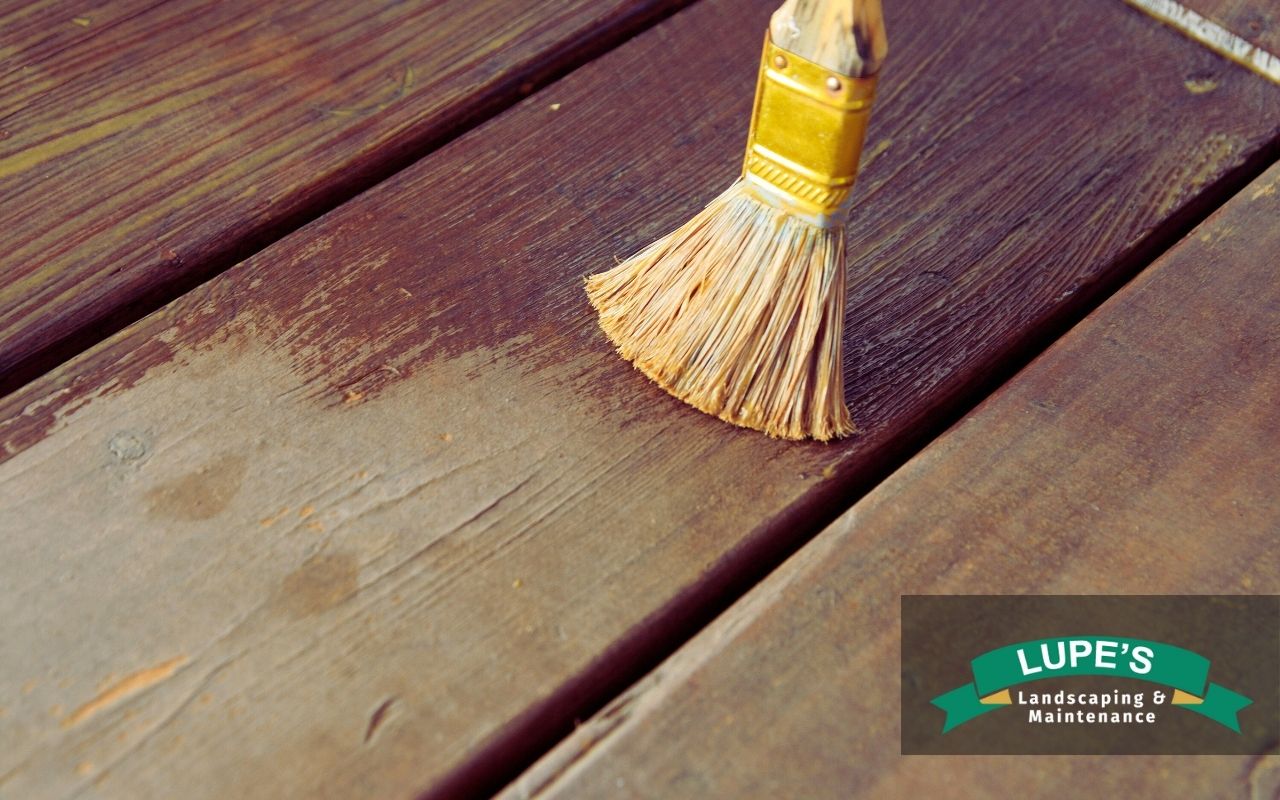
Living on Bainbridge Island offers a unique blend of lush landscapes and picturesque water views, but it also brings challenges for outdoor spaces like decks. The constant exposure to the damp coastal environment can wreak havoc on wooden decks, leading to mildew buildup, warping, and reduced lifespan. That’s why applying effective deck waterproofing tips is vital to protect your investment and maintain a safe, beautiful outdoor space.
By following practical waterproofing methods tailored to Bainbridge Island’s climate, you can enjoy your deck year-round without worrying about damage. From selecting the right finishes to preventing mildew, this guide will help you keep your deck in top condition.
Importance of Deck Waterproofing on Bainbridge Island
Coastal areas like Bainbridge Island experience high humidity, frequent rainfall, and salty air—all of which accelerate wear on wooden surfaces. Waterproofing acts as a crucial barrier between moisture and wood fibers, preventing water penetration that leads to rot and structural weakness. Employing reliable deck waterproofing tips extends your deck’s lifespan and keeps it safe for daily use.
Waterproofing also enhances your deck’s aesthetic appeal. Treated surfaces stay vibrant longer, resisting dulling from UV rays and moisture. Proper sealing simplifies maintenance, saving time and avoiding costly repairs.
Choosing the Right Weatherproof Finish
Picking the right finish is essential for long-term protection. Options include clear sealers, semi-transparent stains, and solid finishes. While transparent sealers showcase the wood’s natural grain, they may need frequent reapplication. Stains offer stronger UV resistance—ideal for Bainbridge Island’s damp climate.
Use acrylic or polyurethane-based finishes designed for outdoor use. These products adhere well and flex with wood expansion. Always prepare the surface by cleaning and drying before applying any finish to ensure optimal results. Choosing weatherproof finishes designed for coastal environments can greatly increase your deck’s durability.
Understanding Bainbridge Island’s Weather Patterns
Bainbridge Island’s maritime climate features mild, wet winters and cool summers. Persistent moisture keeps decks damp, making mildew growth a constant threat. Seasonal temperature swings can also cause cracking or peeling finishes if the wrong product is used. By understanding these weather challenges, homeowners can apply deck waterproofing tips more effectively and time maintenance during moderate conditions for best results.
Tips for Sealing Wooden Decks Effectively
Properly sealing wooden decks starts with preparation. Power wash the surface to remove old finishes, dirt, and mildew, then allow it to dry for 48–72 hours. Apply an exterior-grade sealer using a sprayer or roller, following the wood grain. Two thin coats offer better absorption than one thick layer. Check drying times between coats to avoid moisture trapping. Regular sealing helps prevent water damage and extends your deck’s life.
Preventing and Cleaning Mildew Buildup
Routine cleaning prevents mildew from taking hold. Sweep leaves and debris often and wash your deck with mild detergent or a specialized cleaner. For stubborn mildew, use a diluted bleach solution (1 part bleach to 4 parts water). Rinse thoroughly and let the surface dry before resealing. Incorporating mildew-resistant additives into your waterproofing finish offers extra protection and makes cleaning mildew buildup easier over time.
Selecting Durable Deck Materials for Coastal Environments
Material choice determines long-term deck performance. Cedar and redwood are naturally resistant but require frequent sealing. Composite decking, made from recycled wood fibers and polymers, resists rot and insects, reducing upkeep. Pressure-treated lumber offers affordability, while PVC and capped composites deliver maximum moisture resistance—though at higher costs.
For more safety recommendations, explore deck safety. To complement your design, review wooden deck trends or read about sustainable decking.
Regular Maintenance Practices for Waterproofed Decks
Consistent care is key to preserving waterproofing. Inspect for cracks, peeling, and water pooling every season. Clean monthly and reapply sealants every two to three years. Avoid using high-pressure washers that damage fibers. Regular maintenance keeps the waterproof barrier strong and prevents costly replacements.
Homeowners should also focus on maintaining coastal decks by paying attention to salt exposure, which can accelerate material corrosion. Rinsing your deck with fresh water after storms and performing seasonal touch-ups can greatly extend its life in the Bainbridge Island climate.
Enhancing Deck Aesthetics Through Waterproofing
Waterproof finishes come in various tones that elevate your deck’s appearance. Semi-transparent stains highlight wood grain, while solid finishes provide a painted look. Add built-in lighting, planters, and furniture to complement your deck’s waterproofed elegance. Pairing function with design enhances both safety and visual charm.
Professional Deck Waterproofing Services on Bainbridge Island
Hiring professionals ensures precision and long-lasting results. Experts assess your deck’s condition, recommend the right sealants, and apply them properly. Contractors also use commercial-grade products for maximum protection. Whether you need resealing, repairs, or a full upgrade, professional services save time and stress while preserving your deck’s integrity.
FAQs About Deck Waterproofing on Bainbridge Island
How often should I waterproof my deck?
For Bainbridge Island’s damp climate, it’s best to waterproof your deck every two to three years. However, decks exposed to full sun or heavy rainfall may require annual touch-ups for optimal protection.
What is the best time of year to apply waterproofing sealants?
Late spring through early fall is ideal, when temperatures range between 50°F and 80°F with low humidity. This allows the sealant to cure properly without trapping moisture.
Can I waterproof my deck myself, or should I hire a professional?
DIY waterproofing is possible with the right tools and products, but professionals provide longer-lasting results. They use high-grade materials and ensure even application for maximum coverage and durability.
Do waterproof sealants change the appearance of the deck?
Some sealants slightly enhance the wood’s natural tone or gloss, while others are completely clear. Always test a small area first to ensure the finish matches your desired look.
What’s the best way to prevent mildew buildup after waterproofing?
Regular sweeping, washing with a mild detergent, and ensuring good airflow help prevent mildew. Reapplying waterproof sealants periodically keeps moisture out and discourages mold growth.
Ensuring Longevity and Beauty
Following these deck waterproofing tips helps protect your Bainbridge Island home’s outdoor retreat. With regular maintenance, sealing, and cleaning, your deck can remain strong and visually appealing for years. For expert help, visit our contact page and connect with our specialists today.