
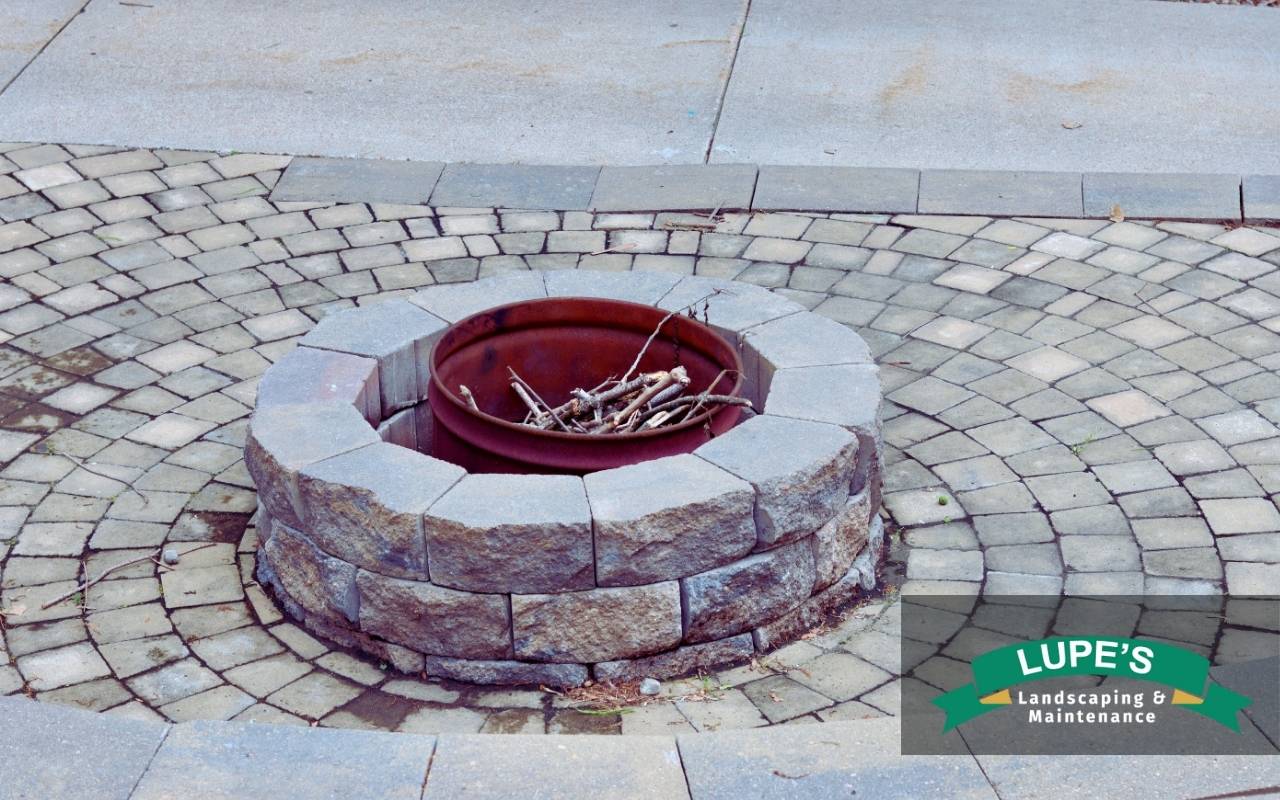
The glow of a fire pit creates warmth and ambiance. Yet safety matters most. This fire pit material safety guide highlights the importance of choosing safe, durable materials. The right selection prevents accidents while keeping your gathering space cozy and reliable. With expert advice, you can therefore enjoy your fire pit securely.
Fire Pit Material Selection: Key Considerations
When selecting fire pit materials, heat tolerance should be the first priority. Materials must withstand flames without cracking or warping. Moreover, durability, design, and aesthetics all play roles too. As emphasized in this fire pit material safety guide, safety and function must work together.
- Choose heat-resistant stone or certified metals.
- Consider climate conditions and local weather.
- Review manufacturer certifications and ANSI standards.
Understanding Heat Resistance in Fire Pit Materials
Heat resistance is critical for fire pit safety. Materials must endure high temperatures without failure. Stones, metals, and composites vary in tolerance. This fire pit material safety guide stresses selecting components tested for repeated heating cycles. As a result, strong heat resistance ensures long-lasting performance.
Popular Stone Options for Fire Pits
Natural stone offers rustic beauty with solid durability. For example, flagstone provides charm but requires high-heat mortar. Granite excels in heat durability and strength. Lava rock insulates well and supports efficient combustion. However, limestone and sandstone may crack without sealing. With proper care, stone fire pits consequently remain dependable.
- Flagstone – attractive but moderate heat resistance
- Granite – durable and flame resistant
- Lava rock – lightweight and insulating
Exploring Metal Choices for Fire Pit Construction
Metal fire pits bring sleek, modern design. Carbon steel radiates heat well but requires coatings. Stainless steel resists corrosion, ideal for humid climates. Cast iron retains heat and adds vintage appeal, though heavy. This fire pit material safety guide recommends choosing metals with proven durability and protective finishes.
Safety Features to Look for in Fire Pit Materials
Safety features enhance protection around fire pits. Non-combustible bases, spark screens, and insulating layers reduce risks. In addition, certified materials with UL or CSA listings are essential. Adjustable burners in gas pits improve control. Each safety feature therefore strengthens your fire pit material safety guide for hazard reduction.
- UL or CSA certified components
- Spark screens or lids
- Non-combustible supports
Weatherproofing Your Fire Pit: Material Maintenance Tips
Weatherproofing extends fire pit lifespan. Seal stone surfaces annually to block moisture. For metals, apply heat-resistant coatings every few years. Always clean debris and ash after use. Moreover, covered storage during winter reduces wear. Regular upkeep, as recommended in this fire pit material safety guide, preserves function and safety.
Fire Pit Material Combinations for Durability and Style
Blending materials boosts both function and style. For example, stainless steel inserts pair well with stone surrounds. Cast iron bowls work within brick facades. Composite panels reduce weight yet add strength. When combined carefully, materials deliver durability, safety, and beauty. Follow this guide to consequently create versatile fire pit designs.
Enhancing Safety with Proper Installation Techniques
Installation quality affects safety as much as material choice. A level base prevents shifting and cracking. Moreover, gravel and paver sand improve drainage. Gas models require flexible connectors and shutoff valves. Secure anchoring reduces tipping risks. Proper techniques align with this fire pit material safety guide for reliable operation.
Ensuring Longevity: Fire Pit Material Lifespan Factors
Fire pit longevity depends on exposure, usage, and maintenance. Stainless steel and granite can last decades. Conversely, untreated metals or porous stones may degrade faster. Regular inspections prevent minor issues from worsening. In addition, protective covers and spark screens extend lifespan. Consistent care overall ensures lasting performance and safety.
Frequently Asked Questions
Which materials are best for fire pit safety?
Heat-resistant stone, stainless steel, and cast iron are top safe choices.
Can limestone be used in fire pits?
Limestone may crack unless sealed with heat-resistant coatings and maintained properly.
How often should I inspect my fire pit?
Inspect monthly for cracks, rust, or debris buildup, and perform deeper checks yearly.
What safety features should a fire pit include?
Look for spark screens, insulating layers, and UL or CSA certifications.
Does weather affect fire pit materials?
Yes, freeze-thaw cycles, rain, and humidity can degrade materials if not protected.
Crafting a Safe and Stylish Outdoor Oasis
With proper material selection, installation, and maintenance, fire pits remain safe and inviting. This fire pit material safety guide provides the knowledge to protect your space. For design inspiration, explore our modern patio design tips. Create your backyard oasis and enhance evenings with patio ambiance. Discover multifunctional decks or reach out through our contact page for personalized guidance.