
Fallen leaves might look beautiful on the ground, but they can harm your lawn if left unchecked. Knowing how to remove leaves from your lawn helps you protect your grass, avoid mold, and keep your yard looking clean as the season changes.
At Lupe’s Landscaping & Maintenance, we work with homeowners across Kitsap County to simplify seasonal lawn care. If you’re unsure when to remove leaves, how often to do it, or which tools work best, we’ve put together the essentials to guide you through it.
Why Fall Leaf Removal Matters
Leaves Block Light and Airflow
When a layer of leaves covers your lawn, it prevents sunlight and air from reaching the grass. That leads to weak roots and thin patches, especially during Kitsap’s wetter fall months.
Wet Leaves Invite Disease
As leaves decompose, they retain moisture and create a breeding ground for mold and fungi. Clearing them away prevents damage and keeps your lawn healthy heading into winter.
Easier Spring Recovery
Raking or mulching leaves in the fall is much easier than dealing with soggy, matted debris come spring. Pair it with seasonal plant care for a cleaner, healthier yard all year.
How to Remove Leaves from Lawn Efficiently
You don’t need fancy tools—just the right approach. Here’s a breakdown of the most common leaf removal methods:
- Raking: Ideal for smaller yards. Use a wide, lightweight rake to avoid damaging the grass.
- Leaf Blower: Great for large areas or hard-to-reach spots. Blow leaves into piles for easy collection.
- Mulching Mower: A fast, eco-friendly method. Chop leaves into fine bits that break down and nourish the soil.
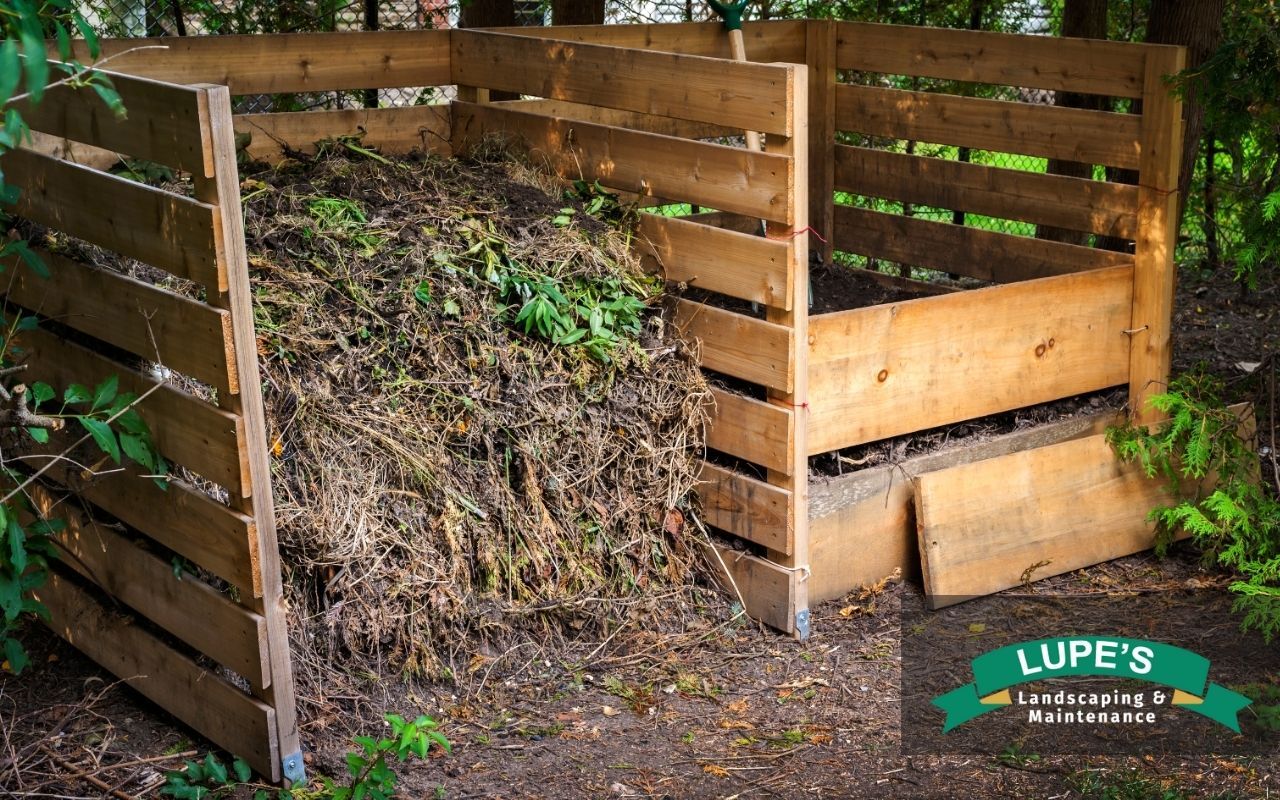
Many Kitsap homeowners also reuse their leaves. With a few steps, you can turn your yard waste into healthy compost. Check out our composting tips to get started.
Tips to Make Leaf Cleanup Easier
Don’t Wait Too Long
If you wait for all the leaves to fall, you’ll have a soggy mess on your hands. It’s best to remove leaves weekly or after heavy storms.
Use Tarp Shortcuts
When raking, lay out a tarp nearby. Gather leaves onto the tarp and drag them to your compost pile or disposal area.
Avoid Overmulching
A thin layer of mulched leaves is great for the soil, but too much can suffocate the grass. Mulch lightly and spread evenly.
If you’re overwhelmed by cleanup season after season, it might be time to consider low-maintenance landscaping solutions that reduce leaf volume and simplify care.
FAQs – How to Remove Leaves from Lawn
How often should I remove leaves in the fall?
Ideally, once a week during heavy leaf drop. This keeps your lawn healthy and avoids buildup.
Can I leave some leaves on the grass?
Yes, if mulched finely with a mower. A thin layer of chopped leaves adds nutrients and improves soil.
What should I do with collected leaves?
Compost them! Leaves make excellent brown matter for composting when balanced with fresh green waste.
Need Help with Leaf Removal This Fall?
Clearing your lawn doesn’t have to be time-consuming. Lupe’s Landscaping & Maintenance offers expert seasonal services, including full fall leaf removal and lawn care throughout Kitsap County—from Kingston to Bremerton and Bainbridge Island.
Let us help you maintain a clean, healthy landscape without the hassle.
Contact us today to schedule fall cleanup or request a custom lawn care quote.