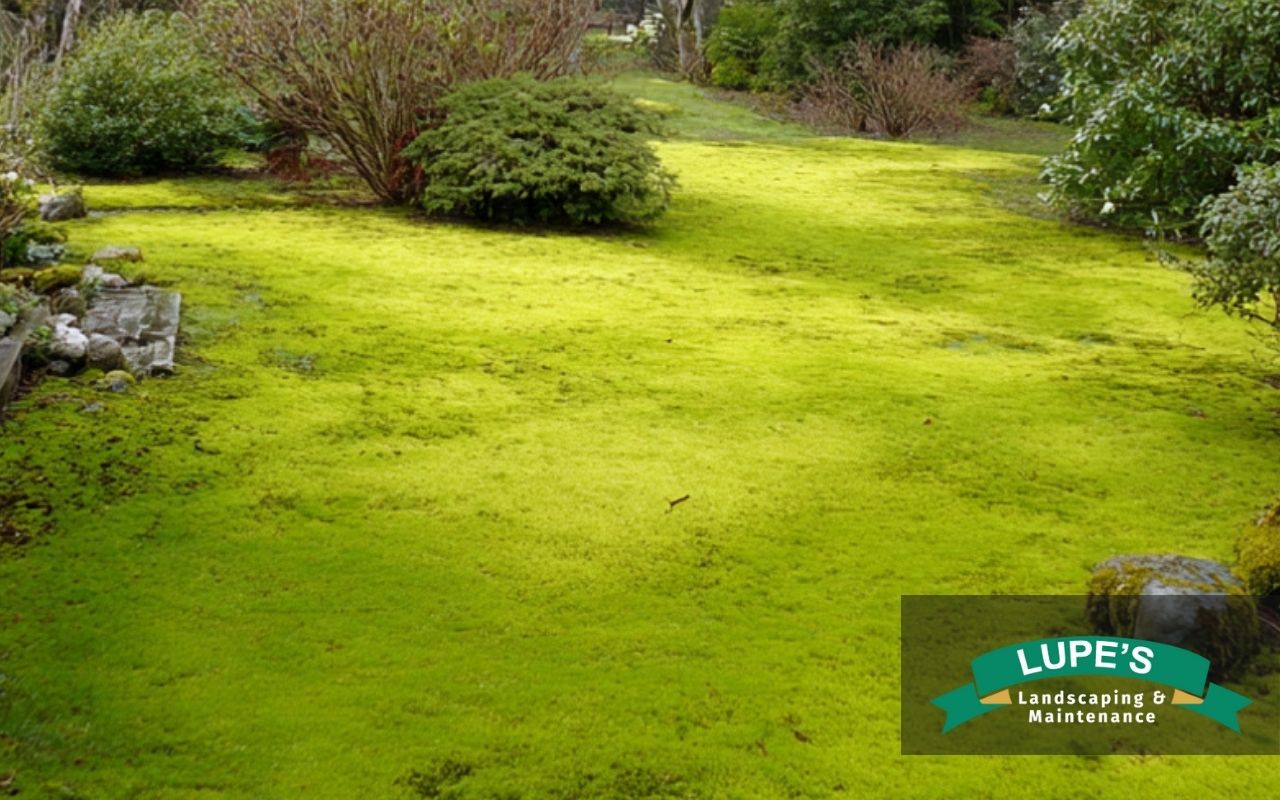
Moss control tips for Bainbridge Island help you enjoy the island’s lush beauty without losing your lawn. Rain, tall trees, and shade create perfect moss conditions around many homes. However, moss can quickly cover lawns, paths, and beds. With a clear plan, you can keep the green look you love while protecting grass and garden plants.
First, understand how your soil, shade, and drainage work together. Soil pH for moss control, shade garden drainage, and dethatching basics all matter. When you balance pH, improve water flow, and clear old thatch, moss struggles to spread. As a result, grass and groundcovers fill bare spots and keep your yard healthy.
Importance of Moss Control Tips for Bainbridge Island
On Bainbridge Island, moss spreads fast across shady lawns and damp beds. Without early action, it forms a thick green carpet that smothers grass roots and crowds out favorite plants. Regular lawn moss prevention protects your turf, keeps surfaces safe to walk on, and reduces the time you spend fixing problem areas.
As you stay ahead of moss, you also improve how your whole yard works.
- Healthier turf with deeper roots and better water use
- Cleaner, safer walkways, patios, and play areas
- More attractive curb appeal and property value
Furthermore, if large patches keep returning, consider local help. Trusted
landscaping services on Bainbridge Island
can combine drainage work, seeding, and pruning to reduce shade and stop moss.
Understanding Soil pH for Moss Prevention
Soil pH controls which plants thrive in your yard. Moss loves acidic soil, so tracking soil pH for moss prevention is crucial. For most lawns, aim for a level between 6.0 and 7.0. In this range, grass handles moisture better and crowds out moss before it can form thick patches.
Use a simple home test kit or send a sample to your extension office. If the result is too acidic, apply lime slowly, following label directions. When the soil is too alkaline, add sulfur or compost. Then, retest every few months. Over time, the right pH tips the balance toward grass.
Using Proper Drainage for Moss Prevention
Poor drainage keeps soil wet and invites moss. Standing water after rain, soggy lawn spots, and slimy paths are warning signs. By improving shade garden drainage, you remove the constant moisture moss needs. This change not only slows moss but also protects roots from rot and supports strong plant growth.
Start by watching where water collects during heavy showers. Then, use simple fixes such as:
- Shallow gravel-filled trenches that guide water away from low spots
- Perforated drain pipes under beds or along slopes
- Aerating compacted areas so water can move deeper into the soil
- Mixing compost into heavy clay to improve texture and drainage
With better drainage, your lawn dries faster, and moss finds it harder to take hold.
The Role of Dethatching in Moss Control
Thatch is the layer of dead stems, roots, and debris that sits between grass and soil. When this layer grows thick, it traps moisture and blocks air, which moss loves. Learning dethatching basics helps you remove that build-up, let the soil breathe, and give grass a better chance to spread.
You can rent a power dethatcher for big yards or use a sturdy rake for small spaces. Plan dethatching in early spring or fall, when grass recovers quickly. Afterward, overseed thin areas and topdress with compost. For long-term ease, explore
low-maintenance landscaping options
that need less frequent dethatching.
Choosing Moss-Resistant Plant Varieties
Some grasses simply cope better with shade and damp soil. Traditional sunny lawn mixes often fail under trees or on north-facing slopes, leaving bare spots that moss quickly fills. Instead, look for turf blends that feature fine fescues and other shade-tolerant grasses. These varieties create a thicker, more reliable lawn cover.
In very shady beds where grass struggles, switch to shade-loving groundcovers. Good choices include mondo grass, pachysandra, and hostas. As they mature, these plants spread into a living mulch that blocks light from reaching the soil. Consequently, moss has fewer open spaces to colonize and is easier to manage.
Organic Moss Control Methods
Many Bainbridge Island homeowners prefer gentle, organic options first. Start by loosening moss with a stiff broom or rake, then lift and remove as much as you can. Right after removal, address the cause by adjusting soil pH for moss control, improving drainage, and overseeding bare patches so grass returns quickly.
For spot work, mix equal parts water and white vinegar, and spray only on moss during dry weather. Wait a few days, then rake out the browned growth. You can also add a light layer of compost or garden lime where soil is very acidic. These steps support soil life while discouraging moss.
Chemical Moss Control Options
When organic steps are not enough, careful use of moss-killing products may help. Many lawn products use iron sulfate or ferrous ammonium sulfate. These ingredients darken moss and cause it to die back within days. Always read and follow label directions, and avoid letting runoff reach drains, ponds, or streams.
Choose a product made for lawns so grass stays safe. Apply during cool, moist seasons when moss is active and grass can recover. After treatment, rake out the dead moss and reseed thin areas right away. Keep children and pets off the lawn until sprays or granules are fully dry.
Seasonal Moss Control Maintenance
Consistent, seasonal care keeps moss from returning. Instead of waiting for large patches, build moss control into your regular yard schedule. This approach supports strong turf and makes every treatment work harder.
- Spring: Aerate compacted soil, check soil pH for moss, remove winter debris, and apply lime or sulfur as needed.
- Summer: Mow at about 2.5–3 inches, water deeply but not often, and watch shady spots for early moss signs.
- Fall: Dethatch, overseed bare patches, and review shade garden drainage before heavy rain returns.
- Winter: Keep gutters clear and direct downspouts away from lawns to limit pooling water.
With these routines and moss control tips for Bainbridge Island built into each season, your lawn stays healthier year-round.
Professional Moss Control Services on Bainbridge Island
Some properties need more time and tools than a homeowner can provide. In that case, professional moss control services can help. Many companies offer soil testing, targeted treatments, drainage improvements, and reseeding plans. Look for providers who understand local rainfall patterns, soil types, and shade issues on Bainbridge Island.
Ask for references and photos of past projects, and confirm that they use safe methods around kids, pets, and waterways. Nearby options such as
professional moss removal in Kingston
and full
landscaping services on Bainbridge Island
offer tailored help. They can provide customized moss control tips for Bainbridge Island and surrounding neighborhoods.
Frequently Asked Questions
Why does moss grow so quickly on Bainbridge Island lawns?
Frequent rain, cool temperatures, and heavy shade create ideal moss conditions. Compacted soil, poor drainage, and low mowing heights make the problem worse. When grass struggles, moss moves into bare or thin spots. By improving drainage, raising mowing height, and correcting soil pH, you make your lawn less friendly to moss.
How often should I test soil pH for moss control?
Test soil pH every one to three years, or sooner if you see sudden moss growth or turf decline. After adding lime, sulfur, or compost, wait a few months before retesting. Regular checks help you avoid overcorrecting and keep your lawn in the ideal pH range for strong grass growth.
Is dethatching always necessary for moss control?
Dethatching is not always required, but it helps when the thatch layer is thicker than half an inch. Excess thatch traps moisture and blocks air, which encourages moss. If your lawn feels spongy, or water sits on the surface, try light dethatching and then overseed to thicken the turf.
Can I use only organic methods to manage moss?
Yes, many homeowners succeed with organic methods, especially when they start early. Hand removal, soil pH adjustments, better drainage, and overseeding can greatly reduce moss. However, if moss has taken over large areas, a one-time chemical treatment may be needed. You can still focus on organic maintenance afterward.
When should I call a professional for moss problems?
If you try several moss control tips for Bainbridge Island and still see thick patches, it may be time to call a pro. Large slopes, drainage issues, or very shaded yards often need expert tools and planning. A professional can design a long-term strategy that fits your site and budget.
Maintaining a Moss-Free Yard
Regular checks and small fixes are the best way to keep moss away. By balancing soil pH for moss, improving shade garden drainage, and following dethatching basics, you create conditions moss dislikes. When you pair these steps with smart moss control tips for Bainbridge Island, your yard stays greener and easier to care for.
For lasting results, combine seasonal routines with occasional expert guidance. If you need a tailored plan or help with tricky areas, reach out through the
contact page
to schedule advice or service that fits your Bainbridge Island property.