
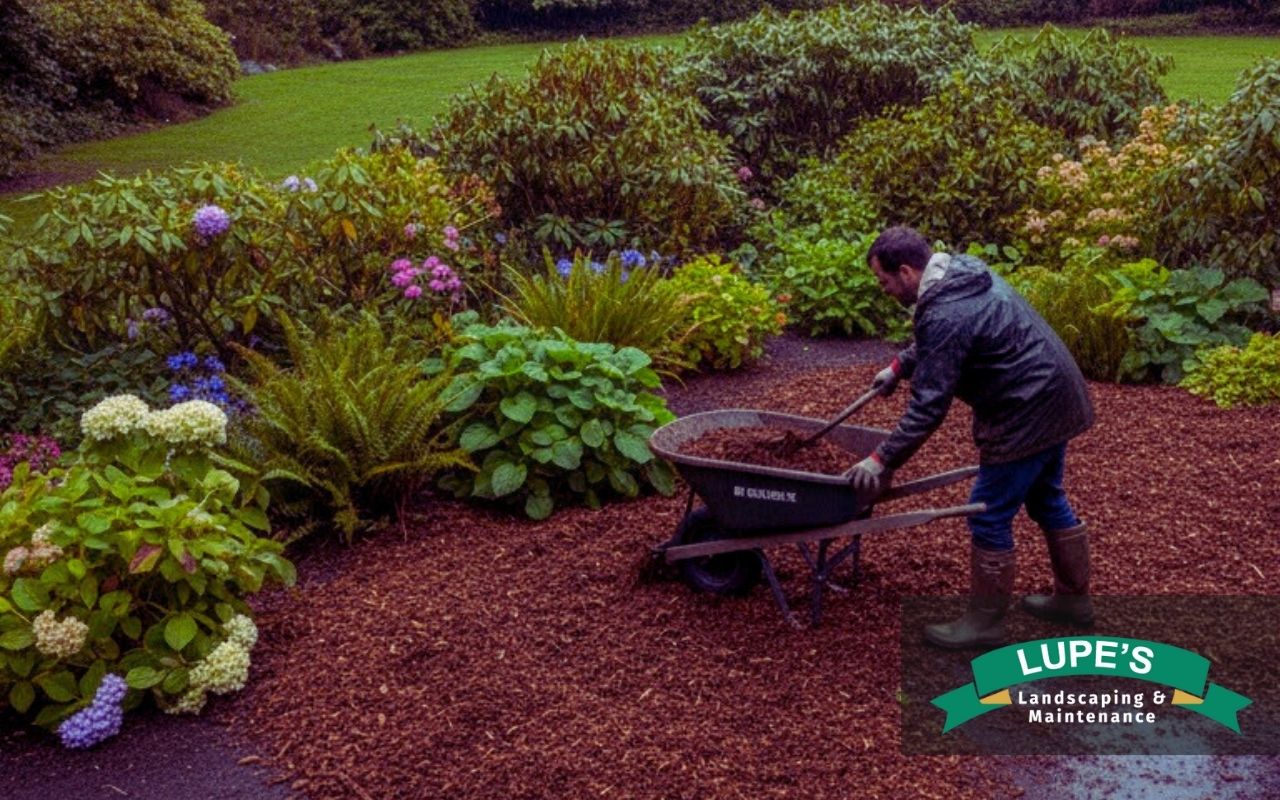
Reside here long enough, and you’ll see how rain shapes our gardens. Mulching in Wet Climates in Bainbridge Island helps manage soaked soil, erosion, and airflow for roots.
Choose simple strategies that protect beds and ease upkeep. Learn the best mulch for heavy rain, while protecting plant roots in fall and preventing soil compaction with smart, gentle steps.
Benefits of Mulching in Wet Climates
Mulch cushions raindrops, limits erosion, and keeps temperatures steady. It supports microbes and worms, reducing fertilizer needs and keeping garden beds maintenance tips on track.
- Shields soil from splash and washouts
- Insulates roots during cold snaps
- Helps in preventing soil compaction after storms
Mulching in Wet Climates in Bainbridge Island also keeps moisture even when rains pause, helping steady root growth.
Types of Mulch Suitable for Bainbridge Island
Pick materials that stay put and drain well. Bark chips, wood shavings, and leaf mold shed excess water yet breathe. Thick straw works if layered.
- Organic: bark, chips, composted bark, leaf mold
- Inorganic: crushed rock or gravel for low wash-off
Mixing bark with leaf mold balances drainage and nutrition. Mulching in Wet Climates in Bainbridge Island thrives with these blends.
Importance of Proper Drainage in Mulched Beds
Shape beds with slight slopes or raise profiles so water moves away from roots. Simple French drains or perforated pipe help during torrents.
Routinely loosen compacted spots under mulch to keep air and water flowing. Mulching in Wet Climates in Bainbridge Island works best with strong drainage.
Mulching Techniques to Retain Moisture
Lay a thin base of coarse needles or straw. Add 2–4 inches of organic mulch, keeping space around stems to prevent rot.
This layered method cuts evaporation and smooths temperature swings, perfect for protecting plant roots in fall. Mulching in Wet Climates in Bainbridge Island benefits from this simple, layered setup.
Preventing Soil Compaction with Mulch
Loosen hard soil with a fork before mulching. Choose chips or coarse bark that resist matting and keep tiny air pockets open.
As organic mulch breaks down, soil life improves texture and drainage. For seasonal guidance, see seasonal plant care on Bainbridge Island.
Choosing the Right Mulch Depth
Use 2–4 inches in this wet climate. On slopes, go slightly thicker to slow runoff. Leave gaps around woody stems.
Thinner layers breathe better while still limiting erosion. Depth control supports preventing soil compaction and steady moisture.
Seasonal Mulching Considerations
In early fall, refresh beds and remove matted layers. Add new mulch to protect roots from rain and cold snaps.
Winter may need up to 5 inches for insulation. Thin in spring to warm soil. Top up in summer to hold moisture. Explore practical mulching tips for fall.
Mulching Dos and Don’ts for Wet Conditions
- Do apply during dry weather so mulch can settle
- Do keep mulch several inches from trunks and stems
- Don’t use fine sawdust alone; it can block water
- Do blend coarse bark over finer compost for balance
- Do check, fluff, and top up after big storms
Incorporating Organic Matter into Mulch Beds
Lightly mix aged compost into the top inch before mulching. Add a thin layer of leaf mold under your main mulch to boost water holding.
Over seasons, this gentle cycle enriches soil and reduces inputs. For time-saving ideas, see low-maintenance landscaping.
Frequently Asked Questions
What is the best mulch for heavy rain here?
Coarse bark or chips stay put, drain well, and resist matting. Leaf mold adds airiness.
How deep should mulch be in wet months?
Keep 2–4 inches. Use more on slopes. Leave gaps around stems to prevent rot.
How does mulch help in preventing soil compaction?
It softens raindrop impact and preserves air pockets, so roots breathe and spread easily.
Any garden beds maintenance tips for fall?
Remove matted layers, refresh mulch, and repair edges. Review simple mulching tips for fall.
When should I call a pro?
For drainage fixes, big slopes, or persistent pooling, contact us via our contact page.
Ensuring Garden Health in Bainbridge Island’s Wet Climate
From the best mulch for heavy rain to proper depth, each step builds stronger plants. Mulching in Wet Climates in Bainbridge Island supports soil life, prevents compaction, and guards roots through fall and beyond.
For ongoing support and local expertise, explore seasonal resources and reach out anytime. Mulching in Wet Climates in Bainbridge Island keeps your landscape thriving through every downpour.