
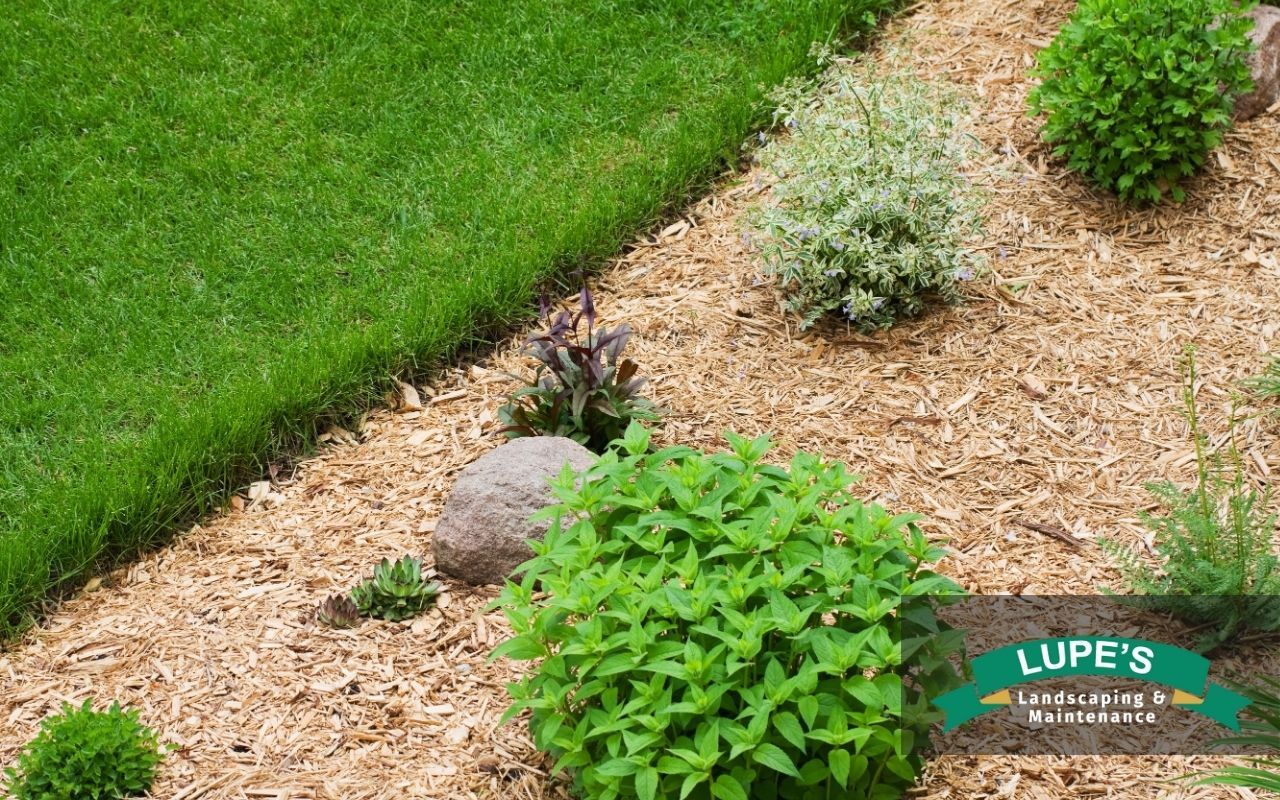
As the weather cools and leaves begin to fall, it’s the perfect time to refresh your garden beds. One of the simplest, most effective ways to prepare your yard is using the right mulching tips for fall. In Kitsap County, mulch does more than improve curb appeal—it protects plants, nourishes soil, and reduces winter damage.
At Lupe’s Landscaping & Maintenance, we guide homeowners in Kingston, Bainbridge Island, and Bremerton through every seasonal shift. How much mulch should you apply? What type works best? And how does it fit into fall landscaping tips for Kitsap? Let’s take a closer look.
Why Mulching Matters in Fall Landscaping
Insulates Plant Roots
As temperatures drop, mulch acts as a protective blanket. It shields your plant roots from sudden freezes and maintains a more stable soil temperature through winter. This is especially helpful for shallow-rooted perennials and recently planted shrubs.
Improves Soil Quality
Organic mulches like bark, shredded leaves, or compost gradually break down, enriching the soil. Over time, this boosts water retention, reduces erosion, and supports beneficial microbes. Pairing mulch with composting techniques can be a powerful combo for fall garden prep.
Reduces Weeds and Watering
A thick layer of mulch blocks light from reaching weed seeds, minimizing spring cleanup. It also helps the soil hold moisture longer—something Kitsap homeowners appreciate during dry fall spells.
How to Apply Mulch Correctly
Here’s a step-by-step list to help you apply mulch efficiently and safely this fall:
- Clear out old mulch and debris from garden beds
- Weed thoroughly and water the soil before adding mulch
- Spread a 2–4 inch layer of mulch around plants, keeping it a few inches from stems
- Use organic options like bark chips, leaf mold, or compost for long-term benefits
- Avoid piling mulch into “volcano” shapes around tree trunks to prevent rot
Once in place, mulch works quietly all winter to improve your soil, reduce runoff, and keep roots cozy.
Choosing the Right Mulch for Kitsap Gardens
Bark and Wood Chips
These are long-lasting and ideal for paths, trees, and foundation beds. They break down slowly and give a clean, natural look.
Shredded Leaves
Collected from your yard or neighbors, shredded leaves make an eco-friendly mulch. They’re easy to work with and pair well with low-maintenance landscaping designs.
Compost-Based Mulch
Combining mulch with compost boosts nutrient content and encourages healthy soil structure, perfect for vegetable beds or pollinator gardens.
If you’re planting native species this fall, mulch can also enhance success. Learn more about native plant landscaping and how mulch plays a role in supporting their growth.
FAQs – Mulching Tips for Fall
When should I apply mulch in Kitsap?
The best time is mid to late fall, after leaf drop but before the ground freezes.
How thick should the mulch layer be?
Aim for 2 to 4 inches. Too much can suffocate roots; too little won’t insulate effectively.
Can I use grass clippings as mulch?
Yes, in thin layers. Let them dry first to avoid matting or mold.
Keep Your Landscape Protected This Fall
Using the right mulch now means fewer weeds, better soil, and healthier plants next spring. Lupe’s Landscaping & Maintenance offers full-service fall landscaping support across Kitsap County, including Kingston, Bremerton, and Bainbridge Island.
Whether you need help spreading mulch, composting, or refreshing your landscape, we’re ready to make your garden winter-ready.
Contact us today to request your free fall landscaping quote.