
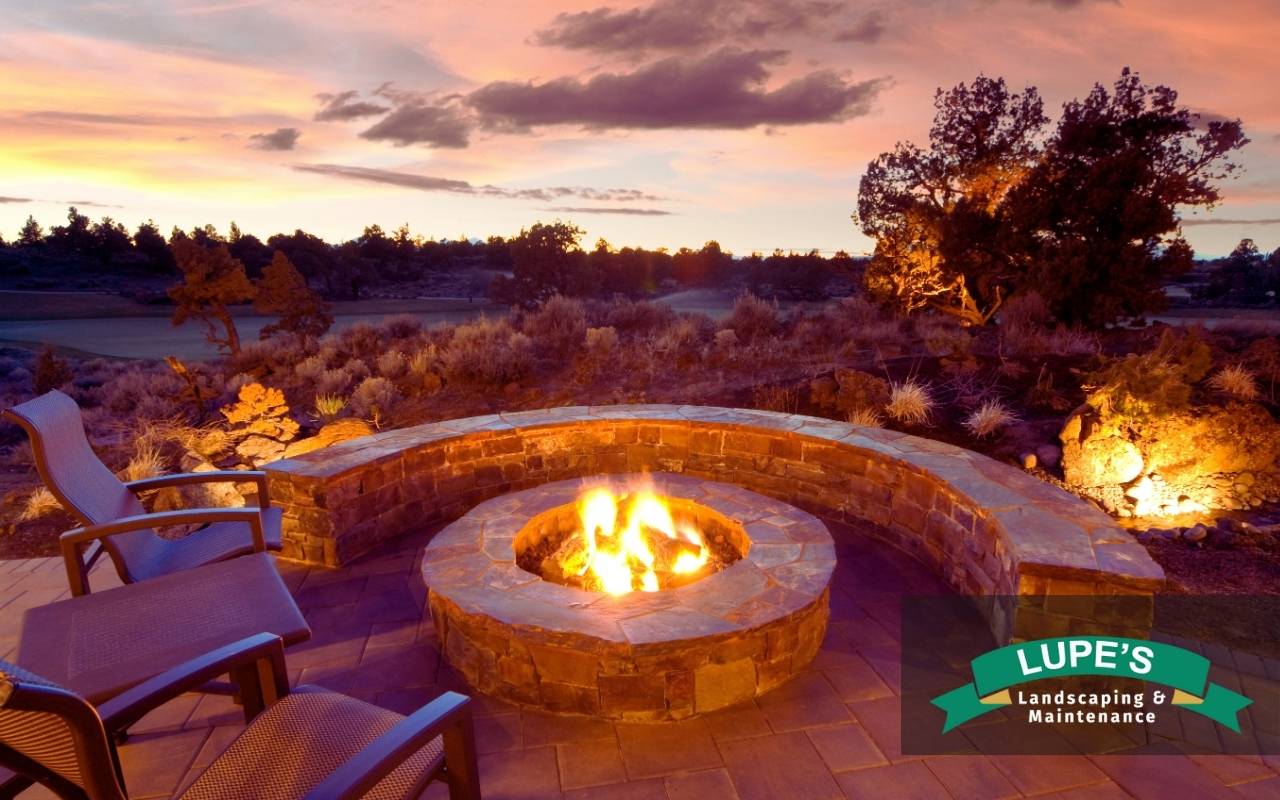
There’s something undeniably captivating about gathering around a fire pit in your backyard, the flames dancing under a starlit sky. However, behind the cozy atmosphere lurks a potential hazard that many homeowners overlook. According to the National Fire Protection Association, fire departments respond to over 5,000 calls per year involving outdoor fires. This clearly highlights the importance of understanding and implementing outdoor fire pit safety tips. Ignoring essential precautions could therefore turn an enjoyable evening into a dangerous situation.
You might think placing the fire pit a few feet away from your home or having water nearby is enough. Yet ensuring backyard safety is more than precaution; it’s a responsibility. From selecting the right location and materials to knowing local regulations, every detail matters. Fortunately, equipping yourself with the right knowledge doesn’t require a hefty manual—just mindful steps that, in the end, keep outdoor gatherings safe and memorable.
Choosing the Right Location for Your Fire Pit
Selecting the perfect spot for your fire pit is the first step toward a safe entertainment area. Therefore, pick a level, stable surface such as gravel, paving stones, or concrete to prevent tipping. Avoid placing it on wooden decks or grass, which can ignite. Moreover, maintain at least 10 to 15 feet of clearance from your house, garage, fences, and trees. As a result, this distance reduces the risk of accidents and gives space to move safely.
- Measure safe distances from nearby structures
- Consider wind direction to prevent smoke hazards
- Avoid low-hanging branches or eaves
In short, thoughtful placement is one of the most effective outdoor fire pit safety tips to apply before your first fire.
Selecting Safe Materials for Your Fire Pit
Choosing the right materials strengthens safety and performance. In particular, high-quality fire pits are built from steel, cast iron, or heat-resistant concrete. These materials withstand high temperatures and resist damage. Conversely, avoid lightweight metals or plastic composites, which fail under heat. For a natural look, you can use stone or brick lined with firebrick to protect mortar.
- Use seasoned hardwoods like oak or maple
- Avoid softwoods that spark excessively
- Never burn treated or painted lumber
Additionally, adding a spark screen and sturdy poker further supports safe use. Reinforcing your outdoor fire pit safety tips with proper materials ensures enjoyable evenings for years.
Understanding Local Regulations and Codes
Before lighting any fire pit, check local regulations and homeowner association rules. Indeed, many areas require permits and may restrict size, fuel type, or hours. Otherwise, fines for violations can be steep, and unpermitted fires may cause emergency calls. Moreover, burn bans often occur during dry seasons. Therefore, sign up for alerts to stay informed. For gas or propane pits, ensure lines and connections meet codes. Following regulations is part of essential outdoor fire pit safety tips and ultimately provides peace of mind.
Maintaining Proper Distance from Flammable Objects
Keeping a safe buffer zone around your fire pit prevents accidents. Specifically, maintain 10 feet of space between flames and flammable items like cushions, rugs, and umbrellas. Because heat radiates beyond visible flames, extra caution is necessary. In addition, trim back shrubs, leaves, and branches that may ignite easily. This mindful separation therefore enforces backyard fire pit safety each time you light a flame.
Ensuring Proper Ventilation Around the Fire Pit
Good airflow keeps fires burning cleanly while preventing smoke buildup. Consequently, position your fire pit in open areas, away from enclosed patios. Bowl-shaped or mesh designs allow oxygen circulation. Similarly, built-in pits should include vents or gaps for airflow. In this way, proper ventilation enhances comfort, supports combustion, and maintains safety throughout your gathering.
Establishing Clear Safety Rules for Fire Pit Use
Ground rules are critical for preventing misbehavior and accidents. Therefore, designate a responsible adult to monitor until all embers are extinguished. In addition, children and pets must remain outside the safety perimeter. Ensure long hair and loose clothing are secured. Moreover, provide seating three feet away from the fire’s edge. With clear rules, you create a safer space and, consequently, encourage responsible enjoyment.
Having Essential Safety Equipment On Hand
Prepare for unexpected incidents with proper equipment. For example, keep a Class A and B fire extinguisher within reach, and verify pressure before each season. A bucket of sand or water acts as a backup. Furthermore, fire-resistant gloves, shovels, and a spark screen provide added protection. Safety tools nearby consistently reinforce backyard fire pit safety practices.
Educating Everyone on Fire Pit Safety Measures
Knowledge reduces risks significantly. Before lighting the season’s first fire, explain safe log handling, emergency contacts, and extinguisher use. Likewise, post a visible sign with rules and contacts. Encourage guests to ask questions. As a result, education fosters collective responsibility, ensuring everyone plays a role in safety.
Regularly Inspecting and Maintaining Your Fire Pit
Frequent inspections prevent hazards. After cooling, remove ash and debris. Metal pits should be checked for rust and warping, while stone pits require mortar inspection. Similarly, replace firebricks when needed. For gas pits, inspect hoses and regulators regularly. Overall, regular care preserves safety and performance season after season.
FAQs About Fire Pit Safety
What is the safest surface for a fire pit? A stable base like gravel, concrete, or paving stones works best to reduce tipping risks.
Can I use softwood in my fire pit? It is not recommended, as softwood sparks excessively and increases fire hazards.
How far should a fire pit be from the house? Maintain at least 10 to 15 feet of clearance from structures and flammable objects.
Do I need a permit for a backyard fire pit? Many municipalities require permits. Therefore, always check local codes before installation or use.
What safety equipment should I keep nearby? Have a fire extinguisher, bucket of sand or water, spark screen, and fire-resistant gloves.
Prioritizing Outdoor Fire Pit Safety for a Secure Backyard
Applying outdoor fire pit safety tips ensures memorable evenings without unnecessary risks. From correct placement to proper maintenance, each precaution truly matters. Build awareness, follow safety codes, and prepare equipment. With consistency, your gatherings remain safe, enjoyable, and worry-free. For more inspiration on creating inviting outdoor spaces, explore our modern patio design ideas, backyard oasis guide, patio ambiance tips, and multifunctional deck solutions. Finally, if you’re ready to upgrade your outdoor living, Contact us today to bring your vision to life.