
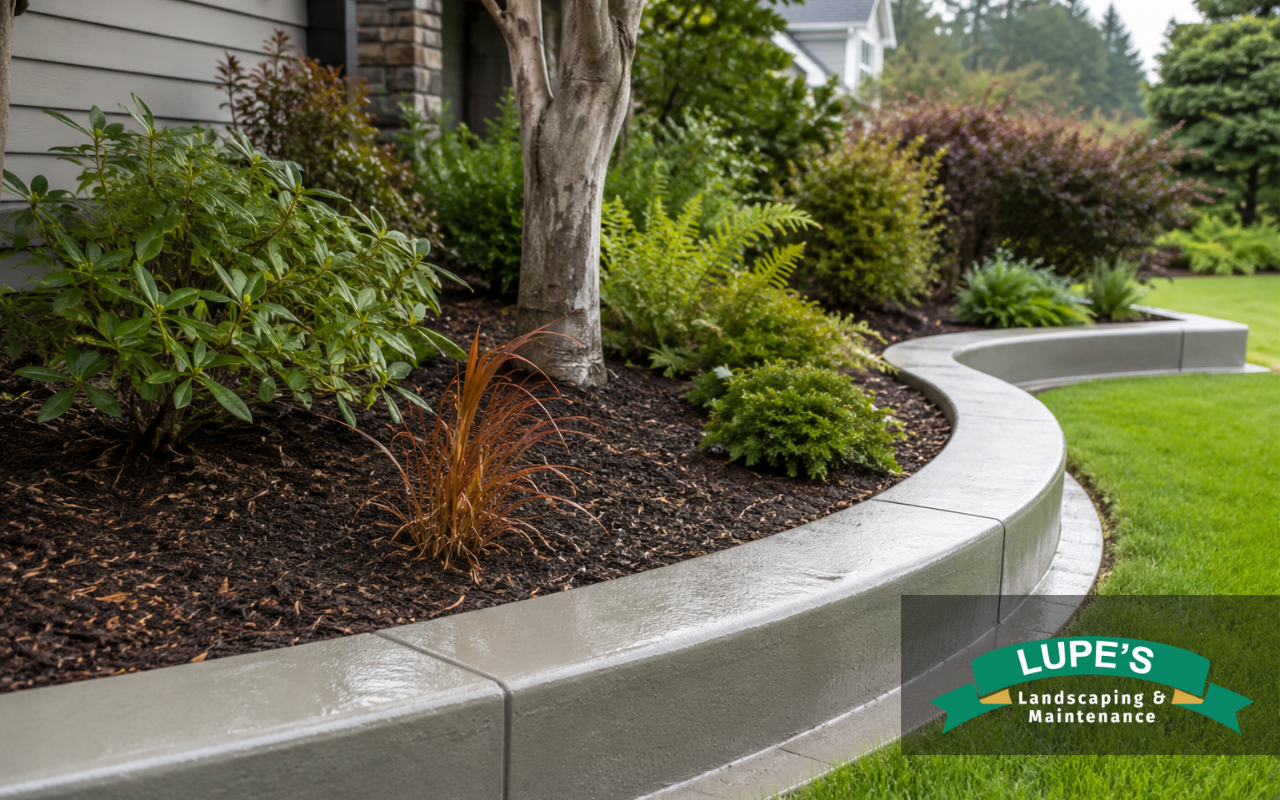
Outdoor stone borders can bring order, texture, and rustic charm to your garden. They help define flower beds, paths, and planting areas while keeping the space natural and easy to enjoy.
At Lupe’s Landscaping & Maintenance, we know a clean edge can change how a yard feels. These simple tips can help you plan a border that fits your space, and our stylish hardscape ideas can support your next design step.
Choose Stones That Match Your Garden Style
The right stone should match the look and function of your yard. Natural fieldstone can feel relaxed and rustic, while cut stone can create a cleaner, more modern edge. Color, shape, size, and texture all matter when choosing landscape borders.
- Use darker edging stones near bright flowers for contrast.
- Choose lighter stones to brighten shaded garden areas.
- Pick flatter stones when you want a neat, even line.
- Use mixed shapes for decorative borders with a natural feel.
Our team at Lupe’s Landscaping & Maintenance can help you think through stone size, layout, and placement without making the design feel forced. The goal is to create a border that feels like part of the yard, not an afterthought.
How Should You Plan Your Border Layout?
Start by marking the border path with a garden hose, string, or stakes. This helps you see the shape before any digging begins. Gentle curves often feel natural around flower beds, while straight lines can work well near patios and walkways.
Measure each section before buying materials. Notice slopes, tight corners, and uneven ground. Good planning makes stone border installation in Bainbridge Island easier because each stone has a clear place before the work starts. For larger layout ideas, explore our hardscaping services in Bainbridge Island.
Prepare A Stable Base Before Installation
A strong base helps the stones stay in place. Clear grass, weeds, roots, and loose soil from the area. Then dig a shallow trench that fits the stone height and the look you want. A clean trench gives the border a steady line.
Add compacted gravel or sand to support drainage and reduce shifting. Use a level board to smooth the base before setting each stone. This step may feel simple, but it helps outdoor stone borders stay neat through rain, foot traffic, and seasonal changes.
Simple Steps For Setting Stone Borders
Place the largest stones first so they guide the shape of the border. Set each piece into the base and tap it gently with a rubber mallet. Check the height often so the line stays balanced from one end to the other.
- Set each stone firmly into the prepared trench.
- Keep spacing even along curves and straight lines.
- Fill small gaps with sand or gravel.
- Mist the joints with water so the fill settles.
- Step back and check the full border before finishing.
For patios, walkways, and related stone features, our concrete and stone work can help connect your border design with the rest of your outdoor space.
Planting And Lighting Ideas Around The Edge
Plants and lighting can make a simple border feel complete. Low plants soften the stone edge, while small lights can bring out texture after sunset. These details help edging stones look intentional and connected to the full garden.
- Plant creeping thyme, sedum, or dwarf ferns near the edge.
- Place taller flowers behind the stones for a framed look.
- Use mulch or gravel outside the border to define the space.
- Add low garden lights to show the shape at night.
Decorative borders can also guide the eye toward a seating area, garden path, or raised bed. Keep the design simple so the plants, stone, and open space work together.
Easy Care For Long-Lasting Borders
Outdoor stone borders need simple care to stay clean and steady. Check them a few times each year for loose stones, weeds, or washed-out joints. Reset any stones that have shifted before the line becomes uneven.
Brush away moss or dirt with mild soap and water when needed. Add fresh sand or gravel between stones if gaps appear. With Lupe’s Landscaping & Maintenance, you can also plan landscape borders that are easier to maintain from the start.
Frequently Asked Questions
What are the best stones for garden borders?
The best stones depend on your style, soil, and garden use. Fieldstone feels natural, while cut stone creates a cleaner edge. You can also review our concrete and stone options for related ideas.
Can stone borders work around curved flower beds?
Yes, stone borders can work well around curved beds. Smaller stones are often easier to place along curves because they follow the shape without leaving wide gaps.
Do stone borders help with garden organization?
Yes, they can separate flowers, mulch, paths, and lawn areas. A clear edge helps each part of the garden feel planned. Our stylish hardscape ideas can show how borders connect with other outdoor features.
Is stone border installation in Bainbridge Island a good choice?
Stone border installation in Bainbridge Island can be a good choice for gardens that need structure, natural texture, and a clean edge. Local style, drainage, and plant choices should guide the design.
When should I ask for help with my border project?
Ask for help when the ground is uneven, the border is large, or the design connects with patios, paths, or planting areas. You can contact our team to discuss the best next step.
Build A Cleaner Garden Edge With Us
When you choose Lupe’s Landscaping & Maintenance, we focus on borders that fit your yard, plants, and daily use. The best outdoor stone borders should feel natural, stay practical, and make the garden easier to enjoy.
At Lupe’s Landscaping & Maintenance, we can help you shape a cleaner, more welcoming outdoor space with stone details that support the full design. To plan your garden edge, contact our team about your stone border project.