
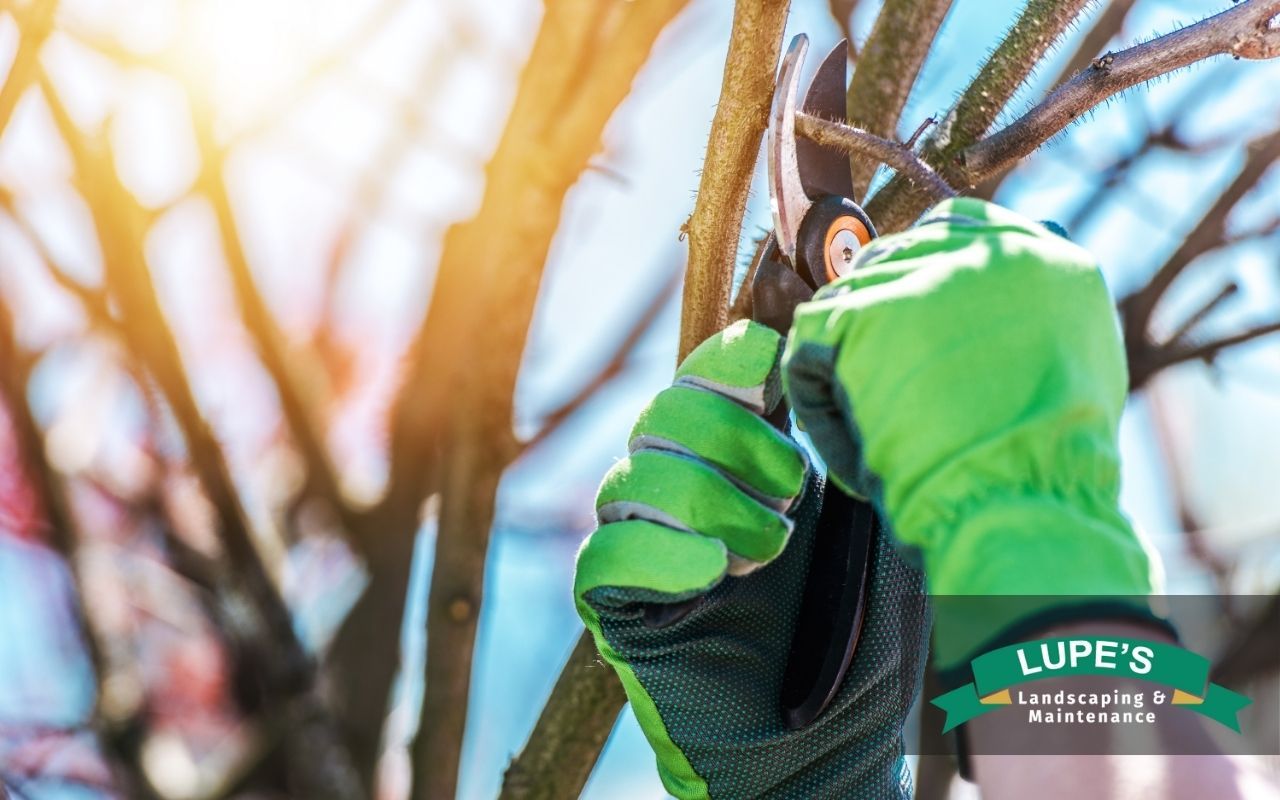
As leaves begin to drop and plants slow their growth, many homeowners start thinking about pruning shrubs in fall. In Kitsap County, this seasonal task helps keep your landscape neat and healthy, but knowing when and how to prune is key.
At Lupe’s Landscaping & Maintenance, we support clients in Kingston, Bainbridge Island, and Bremerton with personalized fall landscaping tips. Should you cut back now or wait? How do different shrubs react to fall pruning? What else should you do to prep your plants for winter? We’re here to help.
The Right Time for Fall Shrub Pruning
Mid to Late Fall Works Best
Pruning too early in the season can encourage new growth that’s vulnerable to frost. The best time to prune is after leaf drop but before deep freezes—typically from mid-October to early November in Kitsap.
During this time, shrubs are going dormant. Cutting back old or damaged branches won’t stress the plant, and it sets the stage for strong spring regrowth.
Focus on Health and Shape
Rather than heavy trimming, aim to remove dead, broken, or diseased branches. If a shrub is overgrown, light shaping is okay, but save any major cuts for late winter or early spring.
Our seasonal plant care guide includes advice for adjusting to changing daylight and moisture conditions, too.
Why Pruning Shrubs in Fall Benefits Your Yard
Disease Prevention
By removing infected or dying branches, you reduce the risk of disease spreading through your garden. This is especially important during Kitsap’s damp fall and winter months.
Better Spring Growth
Pruned shrubs focus their energy on healthy stems, encouraging more even, vigorous growth once warmer weather returns. You can also help your soil along by applying compost around the base to enrich nutrients over winter.
Improved Appearance and Access
Tidying up shrubs makes your outdoor space more attractive. It also prevents overgrowth that can block paths, patios, or views. Fall is also a good time to start planning low-maintenance landscaping changes for next year.
Tips for Safe and Effective Pruning
Here are some essential fall pruning tips for homeowners across Kitsap:
- Use sharp, clean tools to make smooth cuts and prevent disease spread
- Cut just above healthy buds or leaf nodes
- Avoid pruning flowering shrubs that bloom on old wood (like hydrangeas and lilacs)
- Don’t remove more than one-third of the plant to avoid shock
- Clear debris from the base to prevent rot and rodent nesting
Some native plants don’t require pruning at all, so be sure to identify what you’re working with before making cuts.
FAQs – Pruning Shrubs in Fall
Can I prune all shrubs in fall?
Not all. Some flowering shrubs should be pruned in late spring instead, especially those that bloom on old wood.
What happens if I prune too early?
You may trigger new growth that gets damaged by cold, or stress the plant before dormancy.
Is it okay to fertilize after pruning?
Light composting is fine, but avoid synthetic fertilizers that can push new growth too late in the season.
Local Help with Fall Pruning and More
Pruning shrubs in fall can improve your landscape’s health and appearance, but timing and technique matter. Lupe’s Landscaping & Maintenance offers expert seasonal landscaping services throughout Kitsap County, including Kingston, Bremerton, and Bainbridge Island.
Whether you need basic shaping, full yard cleanup, or year-round care planning, our team is ready to help you prep for winter the right way.
Contact us today to schedule a fall pruning visit or request a free quote.