
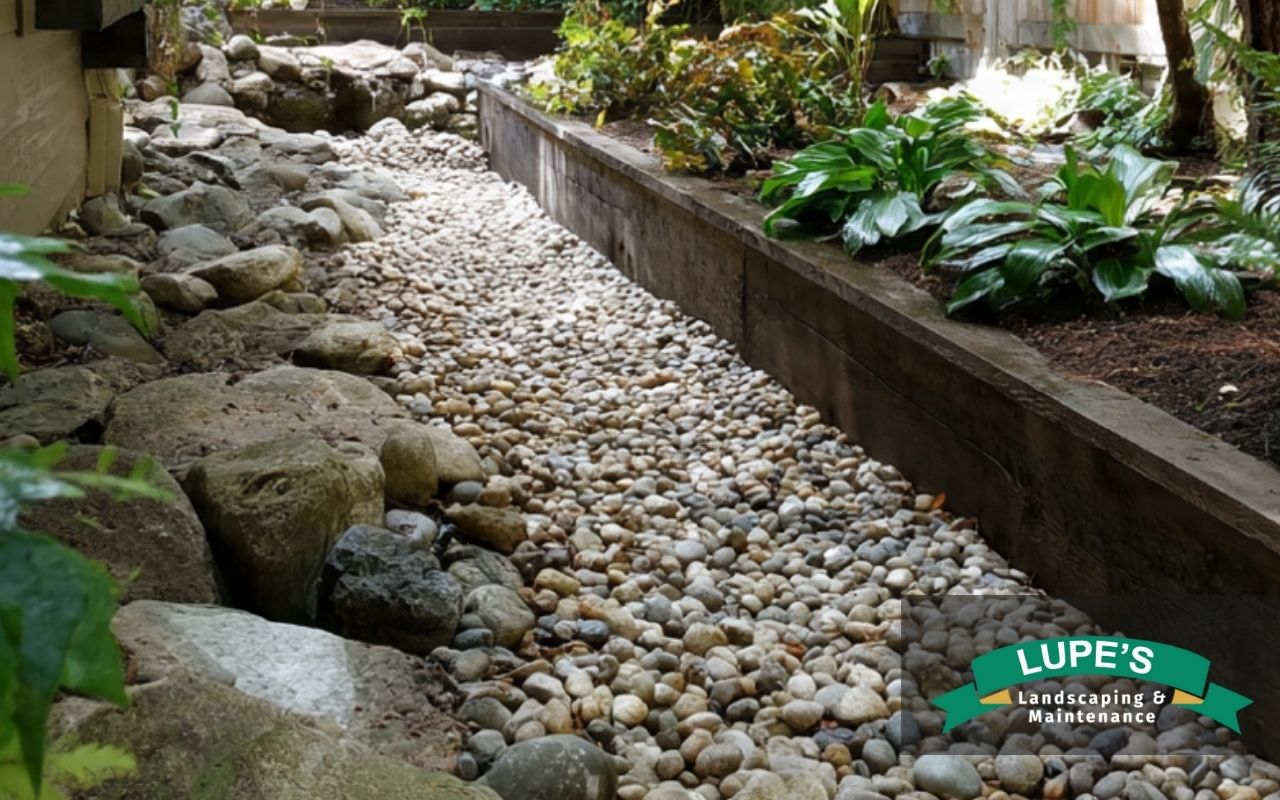
Retaining wall drainage in Bainbridge Island is essential for keeping your yard safe, stable, and attractive in all seasons.
Home improvement can feel like a puzzle, especially on steep or uneven ground. On Bainbridge Island, you must balance beauty and function when you manage water around your walls. Good drainage protects your yard from hidden water damage, shifting soil, and expensive fixes.
As you learn more, you will explore weep holes, gravel backfill, geotextile fabric, and slope stabilization. Together, these parts protect your walls from local rain and soil conditions. With clear tips and simple steps, you can make better choices, protect your investment, and enjoy a lovely outdoor space.
Importance of Effective Retaining Wall Drainage on Bainbridge Island
Heavy rain and wet soil are common on Bainbridge Island, and they make retaining wall drainage in Bainbridge Island essential. When water builds up behind a wall, it increases pressure and can cause cracks or even collapse. Good drainage moves water away from the base so the wall stays strong.
In sloped areas, proper water flow also stops erosion that can weaken an entire hillside. Plus, smart drainage reduces damage to nearby plants, paths, and outdoor living areas. When water leaks toward your home, it can create slippery walkways, ruined planting beds, and mold inside your house.
- Reduce pressure and stress on your retaining wall.
- Protect nearby patios, paths, and outdoor living spaces.
- Prevent soil erosion on hills and slopes.
- Lower the risk of water entering your home or basement.
By setting up effective drainage, you protect your budget and your family’s safety. Investing in reliable systems now saves time, money, and stress from emergency repairs later. A well-drained wall also looks better, with fewer cracked or sagging areas that can ruin your yard’s appearance.
For even more stable, easy-care outdoor spaces, consider pairing your drainage with low-maintenance hardscaping ideas that work well in wet climates.
Understanding the Role of Weep Holes in Drainage Systems
Weep holes setup is a simple but vital step for keeping water from building up behind a wall. These small openings allow trapped water to escape from the soil backfill, which reduces pressure that can damage the structure. Without weep holes, heavy rain can turn the soil into a sponge and overload the wall.
Correct spacing and size make a big difference. Placed at regular points along the base, weep holes guide water into a drainpipe or gravel trench. This steady flow prevents sudden bursts of pressure after storms and helps keep the wall dry and stable for years.
- Place weep holes near the bottom row of blocks or stones.
- Keep spacing even so water can escape across the full wall length.
- Use screens or filters to keep out leaves and soil.
- Direct water toward a safe outlet or drain field.
When you understand how to plan and place weep holes effectively, you cut down on maintenance and extend the life of your retaining wall. Regular checks after big storms will confirm that water is flowing freely.
Utilizing Gravel Backfill for Optimal Drainage
Following a clear gravel backfill guide ensures that water moves freely away from the wall. Choosing the right gravel size, usually pea gravel or crushed rock, creates spaces where water can flow and reach the drainage pipe. This gravel layer sits directly behind the wall and helps keep fine soil from clogging the system.
Installing gravel backfill also helps stabilize the soil. As water drains through, the gravel supports the soil’s weight and reduces the risk of sinking or settling. Proper compaction in layers keeps the backfill firm and effective, so the wall faces less pressure over time.
- Use clean, angular gravel instead of mixed or dirty fill.
- Place gravel in layers of a few inches at a time.
- Compact each layer gently to avoid future sinking.
- Extend gravel from the base of the wall to near ground level.
This simple step delivers long-term benefits and avoids soggy, shifting soil that can push hard against the wall. Over time, your retaining wall will stay straighter and require fewer fixes.
Enhancing Drainage Performance with Geotextile Fabric
Geotextile fabric use is a smart way to keep soil and gravel separate while still allowing water to pass through. The fabric acts like a filter. Water can move, but fine soil particles stay put. This stops the gravel layer from clogging and keeps drainage paths open.
To install the fabric, wrap it around the gravel backfill and cover the entire area without gaps. Secure it near the top of the wall, then fold it over before adding soil. This extra barrier stops sediments from washing into the gravel, so your drainage system stays reliable even after heavy storms.
Implementing Slope Stabilization Techniques for Longevity
Proper slope stabilization tips help secure the ground above and below your retaining wall. Slopes can shift when soil becomes overly wet, so combining stabilization methods with your drainage plan is very important. Techniques like benching, terracing, or planting deep-rooted vegetation create stronger slopes that resist erosion.
Installing anchor systems or soil nails can also lock loose soil in place. These methods work with your drainage by slowing water flow and stopping soil from sliding. Careful planning ensures the slope stays firm, protecting both the wall and the landscaped areas above it.
Common Drainage Issues on Bainbridge Island and How to Address Them
One frequent problem is poor weep holes setup, which traps water and increases pressure behind the wall. Inspect weep holes regularly to confirm they are clear of debris like leaves or soil. If water still pools, you may need more openings or a slightly larger hole size.
Another issue comes from gravel backfill guide mistakes, such as choosing the wrong gravel or skipping compaction. Fix this by digging out clogged or dirty gravel and replacing it with clean, properly sized material. Place gravel in layers and compact each one to create a firm, well-drained base.
Finally, geotextile fabric use errors can cause early clogging. If the fabric rips or shifts, soil can move into the gravel. Rewrap the fabric securely and add anchors or stakes to hold it in place. This simple fix restores efficient water flow behind the wall.
Maintenance Tips to Ensure Continuous Drainage Efficiency
Checking weep holes setup after heavy rain helps you spot blockages early. Use a small stick or gentle spray from a hose to clear roots, mud, and leaves. This quick inspection can stop minor issues from turning into serious damage.
Inspect gravel backfill every season for signs of settling or clogging. If you notice water pooling behind the wall, remove a small section of gravel to see whether the drainpipe is clear. After cleaning, replace the gravel and compact it well so it stays in place.
- Check weep holes after major storms.
- Look for bulges or new cracks in the wall face.
- Watch for wet spots that stay soft for many days.
- Schedule professional reviews for tall or older walls.
Examine geotextile fabric use once in a while by pulling back a small corner of gravel. If the fabric is torn or clogged, replace it to keep your system working well. Small adjustments now mean fewer repairs later and a dry, stable retaining wall.
Sustainable Drainage Practices for Environmentally-Friendly Landscapes
Sustainable retaining wall drainage in Bainbridge Island helps manage water while also supporting local plants and wildlife. Using natural materials and gentle slopes keeps water under control without harming the environment. You can add rain gardens below walls to catch runoff and let water soak slowly into the ground.
This method lowers pressure on your main drainage system and nourishes native plants. Near your walls, choose permeable pavers for walkways so water can filter through instead of running off quickly. Combine them with gravel trenches and geotextile fabric to create a complete, eco-friendly plan.
Additionally, you can explore broader sustainable hardscaping solutions used in nearby areas like Kingston. These ideas help protect your yard and the surrounding waterways at the same time.
Professional Guidance vs. DIY: Choosing the Right Approach
Tackling retaining wall drainage in Bainbridge Island on your own can save money and bring a sense of pride. Simple tasks like weep holes setup and following a basic gravel backfill guide are often within reach for handy homeowners. You can work at your own pace and build useful skills.
However, steep slopes or tall walls usually call for professional help. Experts have experience with advanced slope stabilization tips, precise geotextile fabric use, and safe operation of heavy equipment. They can also spot hidden problems that might later lead to failure.
When your site feels complex or you are unsure where to start, reach out and contact our local team to discuss a tailored drainage plan that fits your property.
Frequently Asked Questions
How do I know if my retaining wall needs better drainage?
Warning signs include bulging wall sections, new cracks, leaning blocks, or soil that stays muddy for days. You might also see water seeping through joints long after rain. When several of these signs appear together, your wall likely needs improved drainage.
How far apart should I place weep holes?
Spacing depends on wall design and soil, but many small residential walls use weep holes about every three to six feet. Keep them near the base of the wall and at a consistent height. A local professional can adjust spacing based on your site conditions.
Can I use regular soil instead of gravel behind my retaining wall?
Plain soil alone is not ideal because it holds water and increases pressure. Instead, use gravel close to the wall and soil farther back. Gravel provides drainage, while soil supports planting areas. A layered setup combines strength, drainage, and good looks.
Is geotextile fabric always necessary?
Geotextile fabric is highly recommended whenever you combine soil and gravel. It is especially useful on Bainbridge Island, where frequent rain moves fine particles easily. While some very small walls may skip it, using fabric greatly lowers the risk of clogged gravel and early wall failure.
When should I call a professional for drainage help?
Call a professional if your wall is tall, holds a steep slope, or shows major movement. Also seek help if water is flowing toward your home or if you feel unsure about excavation. Expert advice reduces risk and helps you avoid costly mistakes.
Mastering Effective Retaining Wall Drainage on Bainbridge Island
Mastering retaining wall drainage in Bainbridge Island means planning for water at every step, from weep holes to slope support. When you use proper weep holes setup, follow a solid gravel backfill guide, and apply correct geotextile fabric use, your wall stays dry and stable.
Adding thoughtful slope stabilization tips makes your structure even more secure. Whether you choose a DIY route or hire professionals, investing in drainage now protects your property from future damage. Use these methods to enjoy a safe, attractive landscape on Bainbridge Island for many years.