
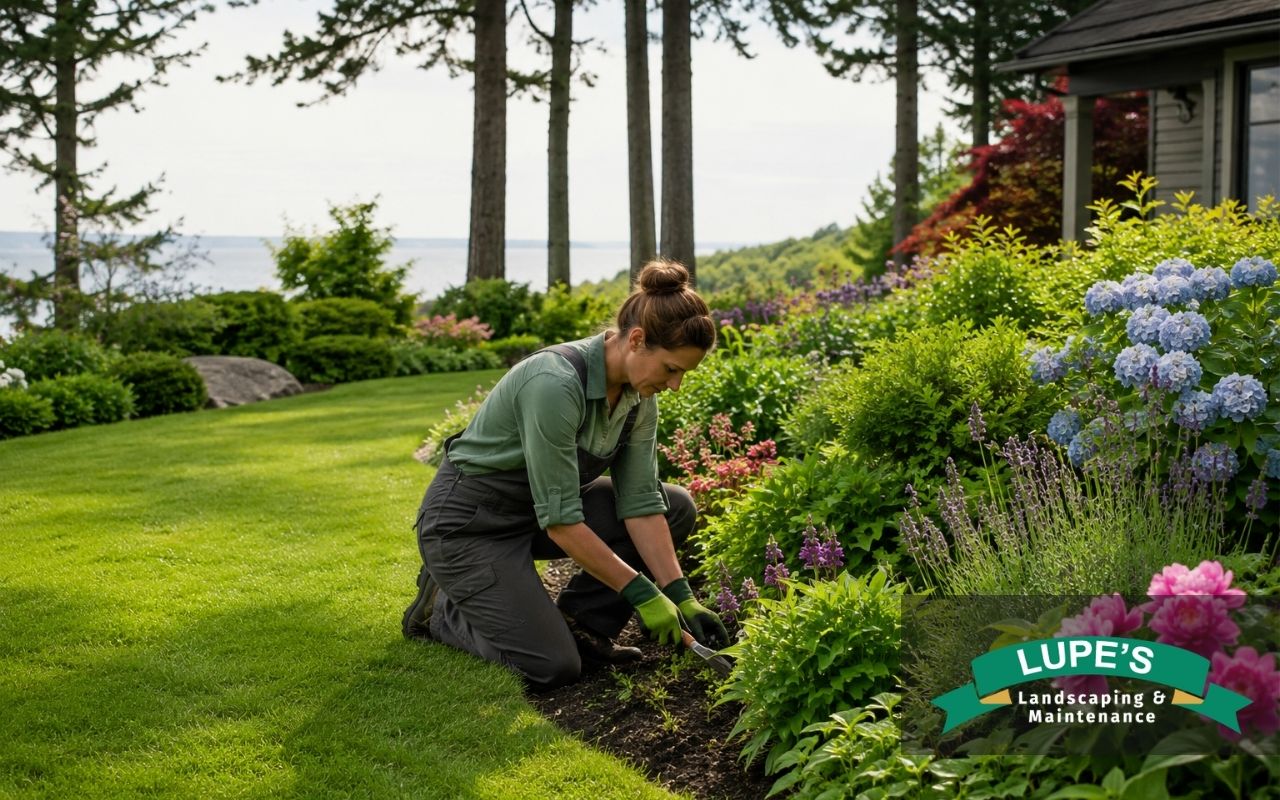
Caring for a garden in warm weather can feel like a lot, especially when plants need water, shade, pruning, and steady care. At Lupe’s Landscaping & Maintenance, we help you understand simple steps that support healthy growth through the season.
Good summer garden maintenance starts with knowing your plants, your soil, and your local weather. For more year-round guidance, explore our seasonal plant care tips for Bainbridge Island before planning your routine.
Choose Heat Ready Plants For Local Gardens
Summer success begins with plants that can handle sun, dry spells, and changing weather. Lavender, salvia, sedum, and many native plants often need less care once they settle in. They also fit well into local garden beds because they are better adapted to the area.
Group plants with similar sunlight and water needs. This makes care easier and helps each bed stay balanced. With Lupe’s Landscaping & Maintenance, you can build a garden plan that feels easier to manage and more reliable during hot summer weeks.
Build A Simple Plant Watering Schedule
A steady plant watering schedule helps roots grow deep and strong. Water early in the morning or later in the evening when the sun is lower. This reduces waste and gives plants more time to absorb moisture.
- Check soil moisture before watering again.
- Water deeply instead of giving plants light daily splashes.
- Use drip lines or soaker hoses near the roots.
- Adjust watering after rain or cloudy days.
- Keep thirsty plants separate from drought-tolerant ones.
How Can You Keep Summer Gardens Healthy?
Healthy plants need space, airflow, and regular attention. Summer pruning tips in Bainbridge Island should focus on removing dead, weak, or crowded growth. This helps lower the risk of mildew and keeps sunlight moving through the garden.
- Remove yellow or damaged leaves as soon as you see them.
- Prune lightly during warm periods to avoid plant stress.
- Cut crossing branches that block airflow.
- Clear spent blooms to support fresh growth.
- Avoid heavy pruning late in the season.
Use Mulch To Protect Summer Soil
Garden mulching in summer helps soil stay cool and moist. A layer of shredded bark, straw, or composted mulch can also slow weeds and protect roots from harsh heat. Keep mulch away from stems so plants do not trap too much moisture at the base.
Refresh mulch when it becomes thin or uneven. A two to three inch layer is often enough for many garden beds. For related seasonal advice, review our mulching tips for fall garden care and adapt the basics for summer needs.
Reduce Pests And Improve Sunlight Balance
Summer pests can spread fast, so check leaves, stems, and new growth often. Aphids, caterpillars, and beetles are easier to manage when you catch them early. Sunlight also matters because crowded or shaded plants may grow weak.
- Spray small pests off leaves with a gentle stream of water.
- Trim branches that block light from lower plants.
- Move containers when plants lean toward the sun.
- Use row covers to protect young plants when needed.
- Plant herbs or flowers that support helpful insects.
Support Soil With Natural Garden Care
Strong soil makes summer garden maintenance much easier. Compost, grass clippings, and garden waste can improve soil texture and help hold moisture. Natural amendments may also support steady growth when used with care.
Our team at Lupe’s Landscaping & Maintenance can help you plan healthier outdoor spaces through thoughtful landscaping services for outdoor spaces. Simple soil care can reduce stress on plants and create a better base for long-term garden health.
Frequently Asked Questions
How often should I water my garden in summer?
Most gardens do better with deep watering a few times a week instead of light watering every day. Your exact plant watering schedule depends on soil, plant type, sun exposure, and rainfall. You can also compare your routine with our seasonal plant care guidance.
Why does mulch help during hot weather?
Mulch helps hold soil moisture, reduce weeds, and protect roots from strong heat. It also gives garden beds a cleaner look. Garden mulching in summer works best when the layer is even and not packed against plant stems.
When should I prune plants in summer?
Light pruning is best when you see dead, damaged, or crowded growth. Avoid removing too much at once during very hot days. For outdoor planning beyond pruning, visit our landscaping support for garden care.
What signs show my garden needs attention?
Wilting, brown leaf edges, yellow leaves, weak blooms, and pest damage are common warning signs. Check soil moisture first, then review sunlight, airflow, and mulch depth. Early action can keep small problems from spreading.
Can I get help with seasonal garden care?
Yes. Garden maintenance services in Bainbridge Island can make summer care easier when your plants need steady support. To talk about your garden goals, contact our team and share what your outdoor space needs.
Make Summer Garden Care Easier This Season
When you choose Lupe’s Landscaping & Maintenance, we focus on simple care that fits your plants, soil, and space. Summer garden maintenance can feel easier with the right watering, pruning, mulching, and soil habits in place.
A healthy garden gives you shade, color, and a peaceful place to enjoy the season. Lupe’s Landscaping & Maintenance can help you care for your outdoor space with practical support. Start by visiting our garden care contact page.