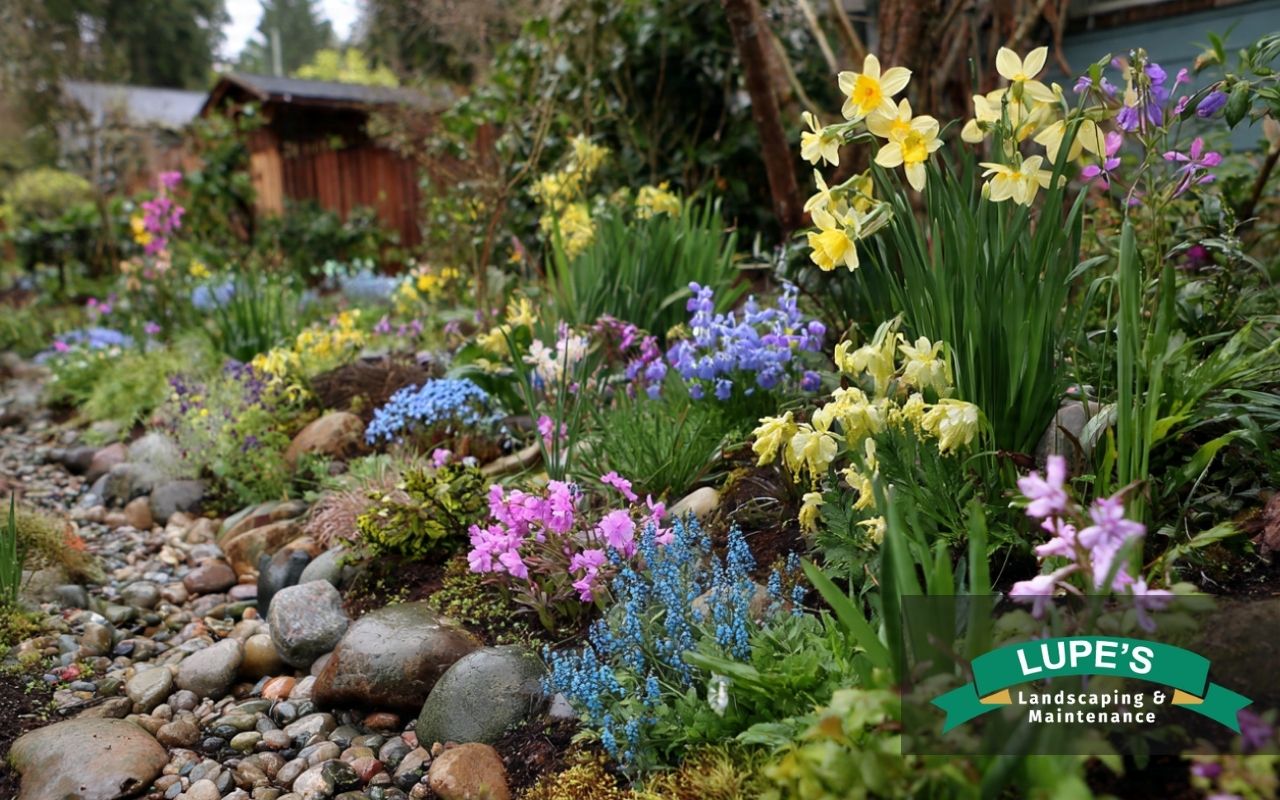
Planting a garden in Bainbridge Island’s climate can feel intimidating. However, you can turn your yard into a thriving, living space by choosing native plants.
Native plants for spring in Bainbridge Island support local pollinators, handle dry spells, and help create wildlife-friendly gardens. In addition, this guide shares shade options and hardy, low-water picks for a garden that feels beautiful and natural.
Benefits of Planting Native Species in Bainbridge Island
Choosing native plants for spring in Bainbridge Island brings practical and nature-based benefits. Since these plants match local soil and weather, they often need less water, fertilizer, and ongoing work.
In addition, deep roots can help hold soil, limit erosion, and keep moisture during dry weeks. Many native plants also resist common local pests, so you can use fewer sprays and protect helpful insects.
- Less watering once plants are established
- Healthier soil with stronger roots
- More support for birds, bees, and butterflies
- Seasonal color that feels local and natural
Moreover, native planting can boost local variety. As a result, your garden becomes a small habitat that supports nearby wildlife.
Why Spring Natives Matter for Pollinators
Spring is a key time for pollinators waking up after winter. Therefore, early blooms offer nectar and pollen when bees and other helpers need it most.
Many local wildflowers, such as camas, red flowering currant, and Douglas aster, fit the timing and feeding habits of native pollinators. As a result, your yard can act like a steady food path through the season.
- Plant early bloomers for first-season food
- Mix bloom times for steady forage
- Group flowers in clusters for easier feeding
To dig deeper into bloom choices, explore this guide on pollinator-friendly native flowers and match plants to your yard’s light and soil.
Shade-Friendly Native Plants
Shady spots under trees or on north-facing slopes can be tricky. However, shade natives are built for lower light and cooler soil.
Often, these plants have broader leaves to catch more light. In addition, many handle damp soil better, which helps in areas that stay cool and moist.
- Sword ferns for bold, green texture
- Foamflower for soft groundcover layers
- Woodland flowers for gentle spring color
As you plan, use texture and leaf shape for contrast. Then, even darker corners can feel full and vibrant.
Drought-Tolerant Natives for a Resilient Spring Garden
As late spring turns warmer, soil can dry out on Bainbridge Island. Therefore, drought-tolerant natives can be a smart choice for long-lasting beds.
These plants often grow deeper roots or have leaf coatings that slow water loss. As a result, they can look great with less summer watering after they settle in.
- Red-flowering currant for early color and nectar
- Ocean spray for airy blooms and later seed heads
- Sagebrush for tough, low-water structure
For a full planting plan, see native plant landscaping and build plant groups that fit your sun and drainage.
Building Wildlife-Friendly Gardens with Native Plants
Wildlife-friendly gardens do more than look pretty. Instead, they offer food, shelter, and water through the year.
Start by mixing layers, such as groundcovers, flowers, shrubs, and small trees. In addition, leave some leaf litter and natural wood so insects and soil life can thrive.
- Brush piles for small animals and hiding spots
- Dense shrubs for nesting and cover
- Shallow water for insects, birds, and frogs
When you combine layers, you mimic nature. Consequently, your yard becomes a healthier place for many species.
Design Tips for Using Native Plants in Your Landscape
Good design blends function and beauty. Therefore, group plants with similar light and water needs to make care easier.
Next, use a few key spring bloomers as focal points. Then, add contrast with fern textures or fine grasses for a softer look.
If you want more plant ideas that fit local yards, review best landscaping plants for Bainbridge Island and pick options that match your style.
Maintenance Practices for Native Plants in Spring
Native plants usually need less care than many ornamentals. However, spring steps still help them grow strong.
Early on, clear heavy leaf cover so new shoots can push up. Also, weed often in the first two years, because young plants need space to settle.
Water deeply but less often to guide roots downward. In addition, add a light mulch layer to hold moisture and smooth soil temperature.
Landscaping Ideas Using Native Plants in Bainbridge Island
You can shape your garden around a simple theme. For example, a woodland-edge layout can move smoothly from sun to shade using ferns and woodland flowers.
Likewise, a pollinator meadow can bring spring color and steady forage. Meanwhile, rock beds with low-water natives work well in sunny spots with fast-draining soil.
Grouping plants in odd-number clusters often looks natural. As a result, the design feels relaxed while still planned.
Frequently Asked Questions
1) What are the best Native plants for spring in Bainbridge Island for beginners?
Start with easy native picks that match your light and soil. In addition, choose a mix of early bloomers and leafy plants for balance.
2) Which Pollinator plants help bees and hummingbirds in spring?
Early blooming natives provide key nectar and pollen. Therefore, planting clusters helps pollinators feed with less effort.
3) What Drought-tolerant natives work well after spring rain ends?
Look for natives known for deep roots or water-saving leaves. As a result, they handle summer dryness with less watering once established.
4) What Shade natives can grow under mature trees?
Choose plants built for low light and cooler soil. Additionally, layer ferns, groundcovers, and woodland flowers for a full look.
5) How do Wildlife-friendly gardens support local biodiversity?
They add food and shelter across seasons. Moreover, layered planting and natural garden materials support insects, birds, and small animals.
Next Steps for a Spring Native Garden
If you want a yard that supports nature and looks great, Native plants for spring in Bainbridge Island are a strong place to start. In addition, by mixing Pollinator plants, Shade natives, and Drought-tolerant natives, you can shape wildlife-friendly gardens that thrive year after year.
When you’re ready to plan your layout or refresh a planting bed, contact Lupe’s Landscaping & Maintenance here: Contact Lupe’s Landscaping & Maintenance.